




A blockchain game development company should be chosen for game-production ability, contract engineering, wallet onboarding and live operations. This shortlist keeps ten providers from our earlier guide, checks their current official service pages and explains which capabilities need direct confirmation. It is not a ranking by investment returns or token performance.
Reviewed October 3, 2026. Two older specialist links now lead to broader service pages, so those providers are marked for a capability check. Published vendor claims are not independent proof of security or delivery quality.
What is a blockchain game?
A blockchain game uses a blockchain for selected functions such as recording asset ownership or executing asset transactions. The entire game does not have to run on-chain. Game clients, art, matchmaking and other systems can still depend on ordinary servers. Token ownership also does not automatically grant copyright, transferability into another game or continued access if a service closes.
How to choose blockchain game developers
- Playable game first: request a demo with the intended genre, engine and platform.
- On-chain scope: name the assets, contracts and transactions that need a blockchain. Keep unnecessary complexity out of the core loop.
- Security: define contract review, key management, admin controls and incident handling.
- Player experience: test onboarding, failed transactions, fees and account recovery with your intended audience.
- Ownership: agree on repositories, art licensing, engine licenses and deployment access.
- Live operations: separate launch from ongoing hosting, monitoring, content updates and support.
Related shortlists: NFT game development companies and Web3 game development firms.
10 blockchain game development companies to investigate
Compare blockchain game companies by production responsibility
Choose the service shape before asking for quotes. These distinctions reflect current official pages, not numerical rankings. A homepage screenshot identifies the supplier; it is not delivery, security or investment evidence.
| Company | Scope to investigate | Important qualification |
|---|---|---|
| LeewayHertz | AI-led software delivery; gaming offer unconfirmed | Game-specific service must be reconfirmed |
| Whimsy Games | Game studio with blockchain services | Playable game and art references; integration ownership |
| Unicsoft | Blockchain engineering with a named game-studio partnership | Named Whimsy partnership; avoid double-counting capacity |
| Cubix | Game clients, wallets and asset-related functionality | Platform scope stated; genre-specific demo needed |
| SoluLab | Chain selection and game-economy integrations | Chain and integration scope; architecture demonstration |
| Webllisto | Broader blockchain provider; game team needs proof | Current game offer unconfirmed |
| Boosty Labs | NFT gaming and Web3 engineering support | Published Zoothereum case; studio vs engineer scope |
| The NineHertz | Game engineering with explicit hiring models | Fixed project or dedicated team |
| Moonmana | Game production and co-development references | Unity and Polygon project descriptions |
| 4IRE | NFT game infrastructure and marketplace components | Named references plus white-label marketplace |
1. LeewayHertz
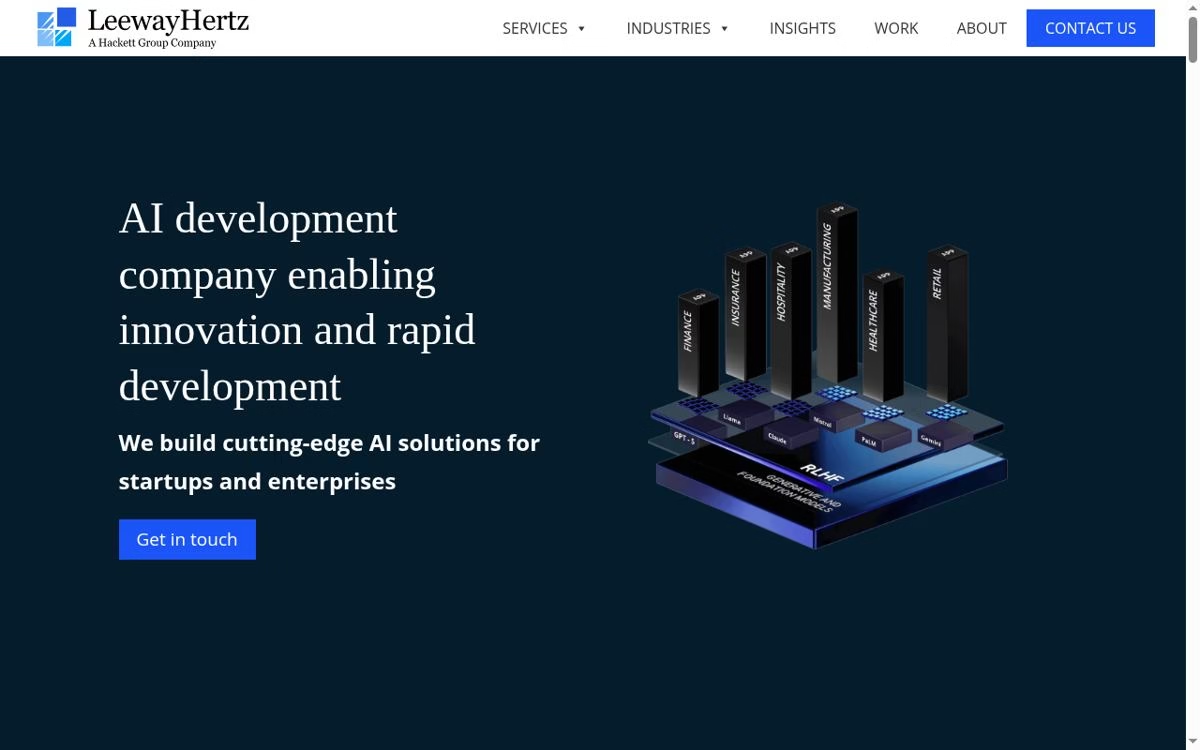
Current scope and published evidence: LeewayHertz now presents AI strategy, model development, data engineering and software delivery. Its current homepage publishes dedicated-team, team-extension and project-based engagement models. Those routes are useful procurement context, but none proves that a blockchain-game production team is currently available. Keep it as a conditional candidate, not an equivalent substitute for a studio with a playable game reference.
Best-fit discussion and hiring questions: Ask for an engine-specific demo, a named game director and the proposed contract-engineering team before buying discovery. If the response is an AI or general software proposal, treat it as a different service and do not assume art, gameplay or release support is included.
2. Whimsy Games
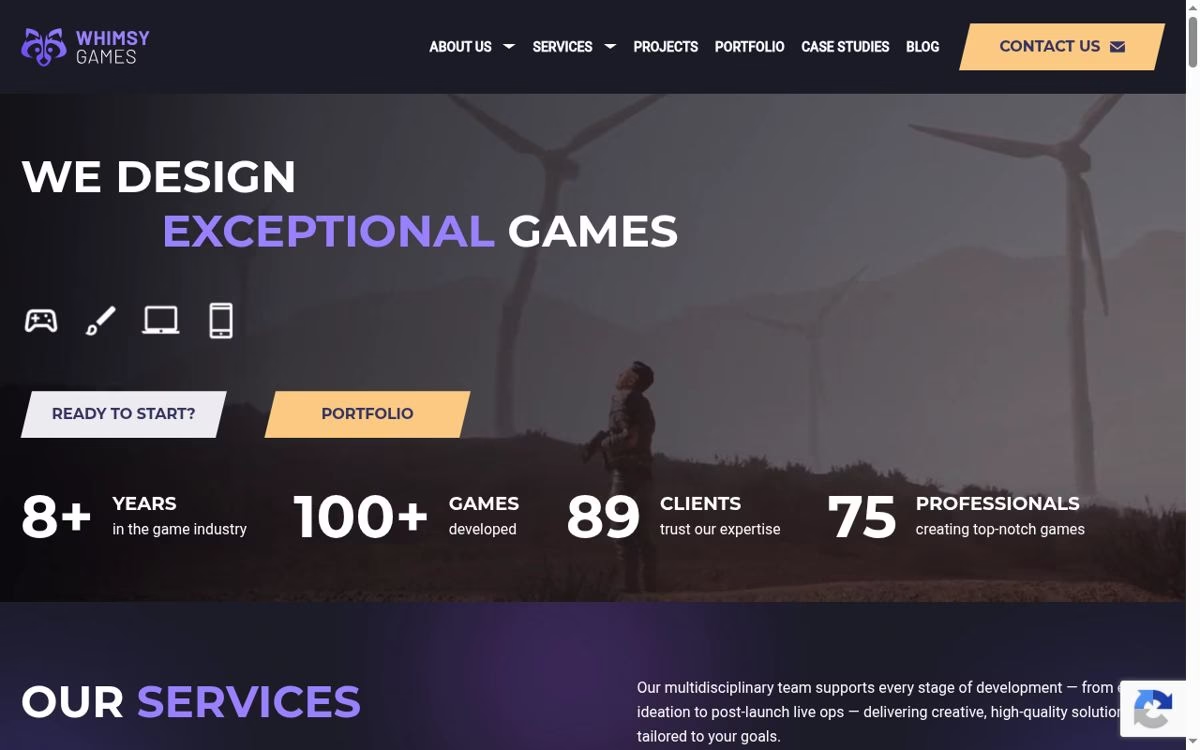
Current scope and published evidence: Whimsy Games describes blockchain game concepts, customizable games, gaming platforms and iOS/Android development. Its published process runs from drafting and design through development, MVP testing and release. The same page presents game and art work including Zeedz, Metakarts and an NFT Spanish Soccer collection platform. These are vendor-published references; a collection platform is different from a complete playable sports game.
Best-fit discussion and hiring questions: Have the team demonstrate the gameplay and identify exactly which client, art, backend and token components it delivered in a relevant reference. Qualify the proposed engine and production pipeline. Ask whether wallet and marketplace engineering is direct delivery or part of a partner engagement.
3. Unicsoft
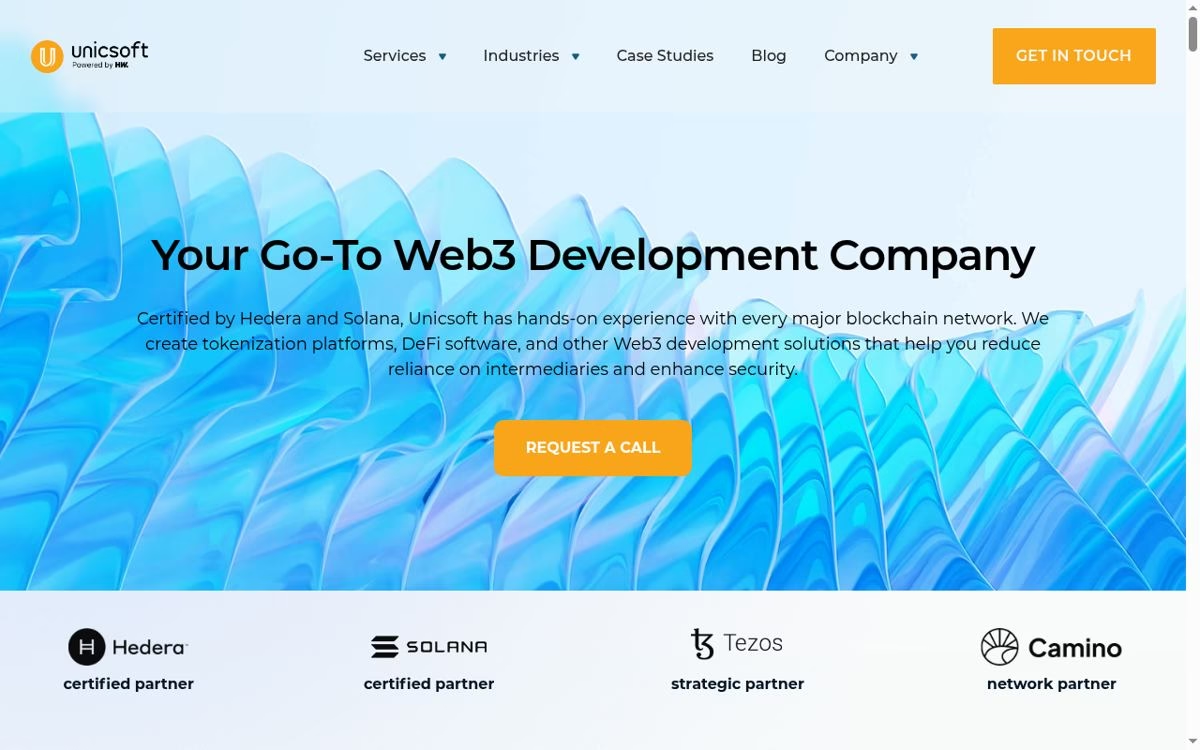
Current scope and published evidence: Unicsoft explicitly describes a partnership with Whimsy Games for blockchain, NFT, token and smart-contract work combined with game production. Its service page covers full-cycle development, co-development, testing, maintenance, wallets, marketplaces and payment gateways. The blockchain portfolio shown there includes wallet, DeFi and NFT projects, so not every reference demonstrates playable-game delivery.
Best-fit discussion and hiring questions: The partnership is important when comparing bids: Unicsoft and Whimsy may not represent two wholly separate production options. Ask who signs the agreement, which team owns the game client, and who resolves defects across the blockchain/game boundary. Require one integrated acceptance and support plan.
4. Cubix
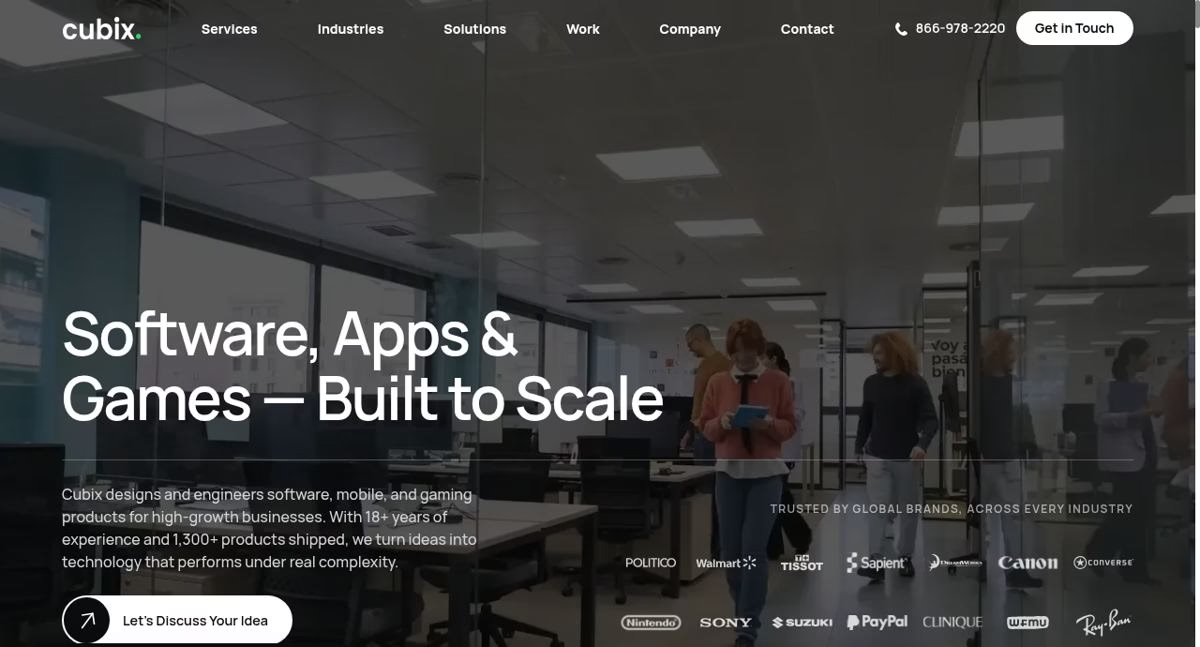
Current scope and published evidence: Cubix describes Android, iOS and cross-platform blockchain games, wallet integration, avatar creation and full-cycle support. Its listed project types include NFT trading, sports, collectible and metaverse games. This establishes advertised scope, not proof that the proposed team has shipped your particular genre or that every network integration is production-ready.
Best-fit discussion and hiring questions: Request a playable reference in the intended genre and inspect mobile behavior if that is the launch platform. Identify multiplayer hosting, contract deployment and marketplace dependencies. A wallet integration demo should include rejected signatures, disconnected sessions and a transaction that takes longer than expected.
5. SoluLab
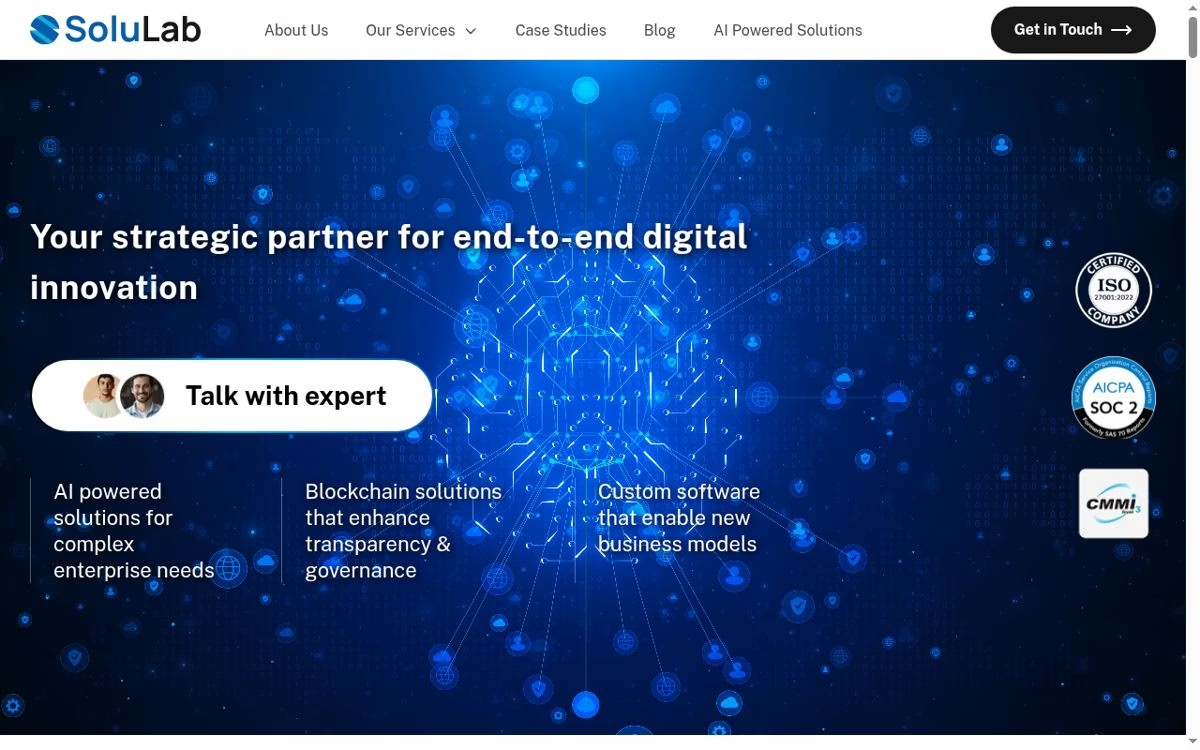
Current scope and published evidence: SoluLab lists Ethereum and EOS dApp games, fantasy sports, NFT collectibles, asset management, rewards, payment gateways and game integration. Its page presents supported networks including Polygon and Solana alongside Ethereum, plus project categories covering blockchain platforms and metaverse gaming. The network list is a starting point for qualification, not a recommendation to support many chains at launch.
Best-fit discussion and hiring questions: Ask for one end-to-end transaction walkthrough on the chosen network and the team’s role in a relevant project. Define the asset model, reward rules, admin privileges and wallet support. Compare the cost and operational burden of one network with any proposed bridge or multichain design.
6. Webllisto
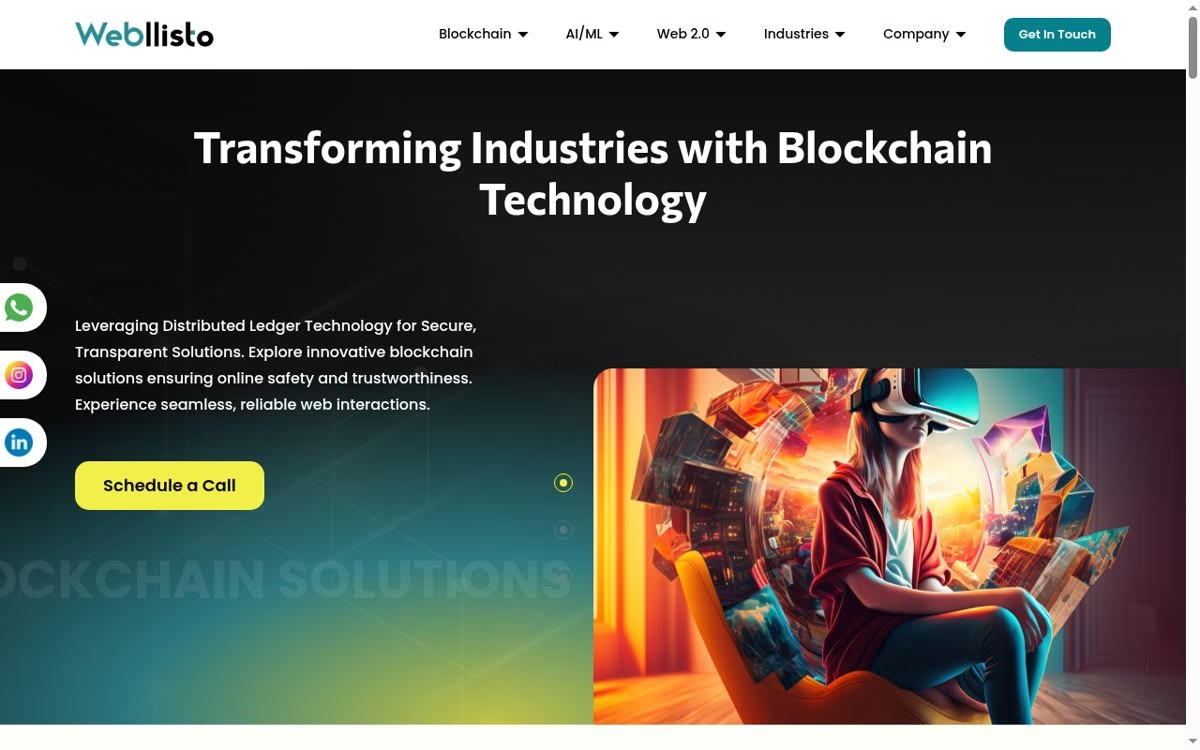
Current scope and published evidence: Webllisto’s current homepage emphasizes blockchain and wider technology services. The older specialist game URL now resolves to broader content. That supports an initial blockchain-integration discussion, but it does not establish a current full-cycle gaming service or the availability of game designers, artists and engine specialists.
Best-fit discussion and hiring questions: Ask for a current game-specific statement of work and a working reference before making it a finalist. If the offered scope is limited to smart contracts or integration, use that as a specialist package under a separate game-production owner. Keep the gameplay and creative budget distinct.
7. Boosty Labs
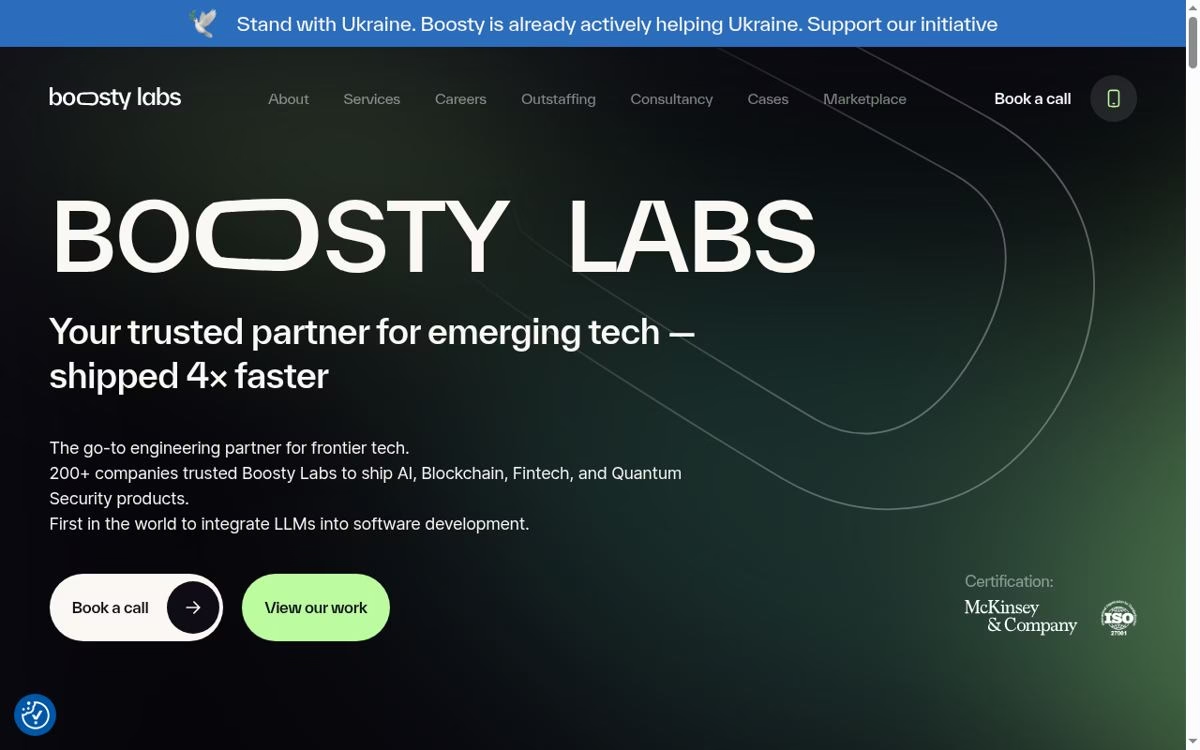
Current scope and published evidence: Boosty Labs describes NFT/blockchain gaming and gamification alongside fintech and cloud engineering. Its gaming page lists Zoothereum, an Ethereum collectible-creature project, among its published cases. Other listed work is infrastructure or financial software rather than games. The site also presents outstaffing and consultancy routes, which should be distinguished from commissioning a complete studio production.
Best-fit discussion and hiring questions: Ask which game roles are supplied and whether the engagement is team capacity, integration work or an end-to-end build. Require evidence of the specific gameplay and asset work involved in the reference. Define the internal producer and technical reviewer if you buy engineers rather than a managed project.
8. The NineHertz
Current scope and published evidence: The NineHertz lists blockchain game services, 2D/3D art work, Unity and Unreal in its game technology coverage. Its current page describes fixed-price and dedicated-team engagement options. Its wider homepage is now AI-native engineering focused, but the blockchain-game service page remains available; qualify the team against that specific service rather than the general homepage message.
Best-fit discussion and hiring questions: Compare models against the same scope. For a fixed project, require a defined playable milestone and a change process. For a dedicated team, identify your production owner and how working builds will be reviewed. Confirm who owns independent contract review, launch accounts and post-release incidents.
9. Moonmana
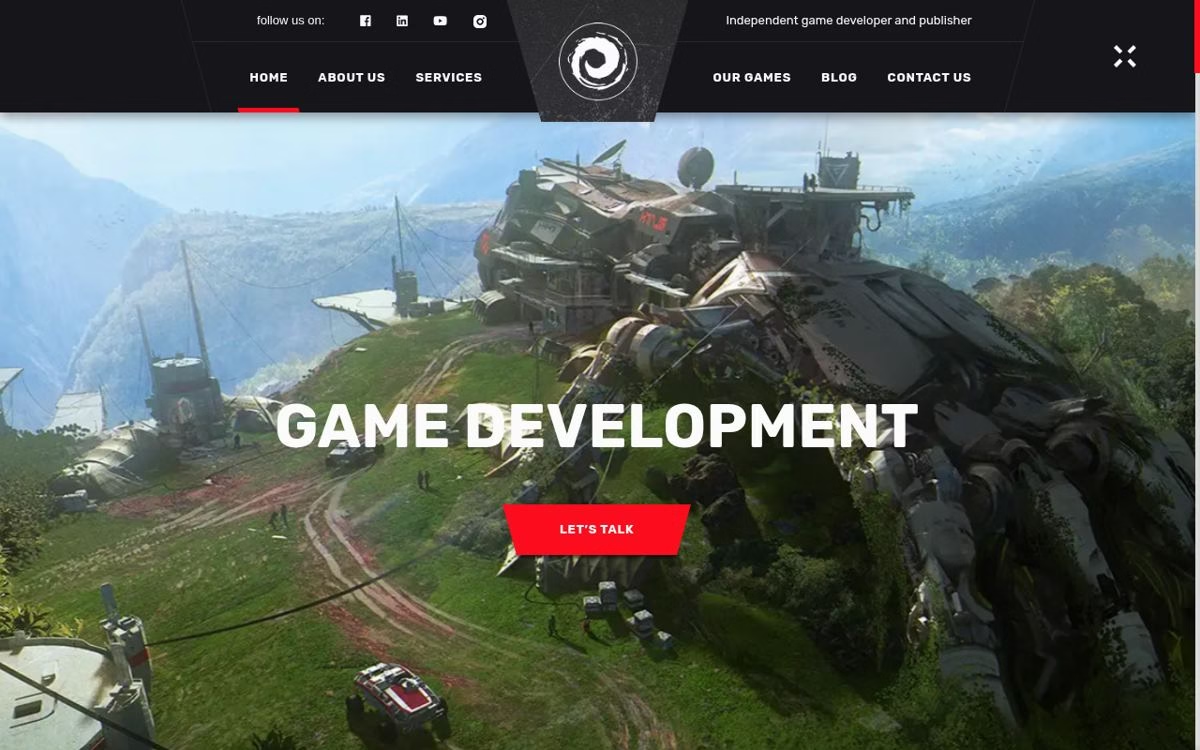
Current scope and published evidence: Moonmana describes full game development and co-development. Its blockchain page includes a Unity farming-game co-development example using Ethereum/Polygon NFT assets and a web football-management example using Polygon, player cards, tokens and a marketplace. These are concrete implementation descriptions, but they are published by the provider and do not establish the exact proposed team or present availability.
Best-fit discussion and hiring questions: Ask the team to explain its own contribution to the game loop, backend, art and contracts in those examples. For co-development, define interfaces with your existing team and how build integration works. Review the rules for upgrading assets without turning every design adjustment into an on-chain migration.
10. 4IRE
Current scope and published evidence: 4IRE’s NFT-game page describes game development and a white-label marketplace for gaming assets. It names Blackchain and Hash Rush as published work, including participation in Hash Rush development. Its current homepage has broader banking, fintech and AI positioning. The dedicated gaming page supports investigation, but marketplace components and complete game production remain separate purchases.
Best-fit discussion and hiring questions: Request a component demo and a written list of what is licensed, custom-built and excluded. Ask about source-code access, customization limits, contract ownership and infrastructure fees. Verify the specific delivery role in a reference game and the availability of game-design and art specialists before buying a full production package.
Benefits and tradeoffs of blockchain gaming
Recording assets on a blockchain can make ownership and transactions inspectable, but it does not remove game-server dependencies, legal limits or design problems. Fees, signing prompts, network congestion and lost credentials can make play harder. Start with a specific user benefit and test whether the same benefit could be delivered more simply without a token.
Interoperability is a project-level agreement, not an automatic result of minting an NFT. A second game needs compatible rules, art rights and technical support to use an asset. Similarly, decentralized records do not guarantee decentralized governance: developers may still operate servers, change game rules or hold contract upgrade keys.
Blockchain game development services and hiring FAQ
Which services should a proposal include?
List game design, art production, client engineering, backend, smart contracts, wallet integration, testing and live operations separately. A GameFi development company, crypto-game developer and outsourcing game studio can offer different subsets of this work. Ask each provider to mark what is included, external or excluded.
What does blockchain game development cost?
There is no universal hourly rate or project budget for this shortlist. Request a scope-based quote covering the game itself, contracts, independent review, integrations, infrastructure and maintenance. Compare equal deliverables. Older directory rates are not current vendor quotes.
Which blockchain is best for game development?
The choice depends on player onboarding, transaction frequency, fees, wallet support and operational requirements. Ask developers to compare networks against your actual use case. Ethereum-related expertise does not automatically establish experience on every chain, and a cheap transaction alone is not a sufficient selection criterion.
Can I hire a blockchain game developer for a mobile game?
Yes, but verify mobile release experience as well as blockchain engineering. Review current platform rules, signing and recovery flows, performance on target devices and support for ordinary players. Have the vendor explain how external wallet or marketplace dependencies affect the player experience.
Do blockchain games guarantee earnings or asset value?
No. A tokenized economy can lose value and a game can close. Keep gameplay quality, security and legal review separate from investment promises. Do not select a developer based on projected token returns or guaranteed user growth.
Build a proposal that separates the game from the token layer
A useful blockchain-game brief describes what a player does before describing what a token does. State the genre, target audience, launch platform and core loop. List which actions must be fast and which can wait for a transaction. Ask vendors to show a playable version without the blockchain first, then explain the smallest asset or trading layer that adds a clear player benefit.
Require a responsibility map
- Game production: design, art, animation, audio, engine project, levels and device performance.
- Connected systems: accounts, backend, matchmaking, multiplayer hosting, analytics and content delivery.
- Blockchain: asset contracts, wallet integration, indexing, minting, trading and administrator permissions.
- Verification: game QA, integration tests, contract review and a plan to fix findings before launch.
- Operations: monitoring, support, key ownership, updates and incident response after release.
Mark each workstream as supplier-owned, client-owned or third-party. A co-development team can be a good choice when you have an internal producer and technical lead. A complete game commission needs those responsibilities covered in the proposal. A marketplace license does not replace either arrangement.
Set acceptance tests for the first playable build
Have representative players start a session, understand the main mechanic and finish a short loop. Test wallet connection, declined signing, insufficient funds, duplicate actions and delayed transactions separately. Ask what the interface shows while an on-chain action is pending and how the backend reconciles it without duplicating an asset or reward.
The first milestone should include an engine project and a deployable test build, not only art mockups or token contracts. Require written decisions on which code and assets are temporary, which systems need production hardening and what must be finished before a larger content budget is approved.
Compare quotes with the same launch boundary
Separate discovery, prototype, production content, contract work, review, release and maintenance. Ask which licenses, cloud services, wallet providers, indexing tools and marketplace fees remain your responsibility. Compare proposals against equal platforms and deliverables, rather than an hourly number attached to different roles or incomplete scope.
Include source-code and editable-asset ownership, repository access, documentation and deployment credentials in the handover plan. Define a support period and what counts as a defect versus a new feature. If a partner delivers part of the work, identify the contracting and escalation owner before signing.
Questions to resolve before a GameFi or NFT-game launch
Should the entire game run on a blockchain?
Do not assume it must. Ask for an architecture that identifies the functions requiring shared asset records and the functions needing ordinary low-latency game services. The proposal should explain why each on-chain action exists. If recording every action adds delay or cost without improving play, narrow the blockchain scope before production.
Can I use an existing NFT marketplace instead of a custom one?
Possibly, if its asset rules, permissions and integration model match the game. Ask the vendor to demonstrate the complete player journey and list dependencies. Check the rights, contract interfaces, customization limits and ongoing operating responsibility. A ready-made component can reduce custom work, but it can also constrain the design and handover.
Are Unicsoft and Whimsy Games independent bids?
Not necessarily for the whole production scope. Unicsoft’s reviewed blockchain-game page describes a partnership with Whimsy Games. Ask both suppliers whether the same delivery team or subcontracting arrangement underlies their proposals. Compare responsibility, contract terms and actual capacity, rather than treating two company names as two independent studios.
What evidence is stronger than a blockchain-game portfolio label?
A playable reference, a precise explanation of the supplier’s contribution and a walkthrough of the production systems are more useful than a category label. Inspect the proposed team’s relevant work, not only company-wide projects. For security, review the specific contracts and audit scope; a general claim of safe assets cannot prove your implementation is secure.







Leave a Reply