




Blockchain companies solve different problems. Chainalysis focuses on intelligence, Ripple on financial infrastructure, Texture on tokenized securities, and firms such as SoluLab, Axioma, ScienceSoft and Unicsoft advertise development services. Start with the workflow you need, then compare companies in that category. A protocol, product company and outsourced engineering team are not interchangeable.
This refreshed guide keeps the identities from the original directory but updates their current positioning from official websites. The order is not a ranking, and inclusion is not an endorsement or a claim of investment profitability. Historical revenue estimates, unverified locations and copied project counts have been removed. Prices and contract terms require a current proposal.
Compare blockchain companies by the work you need
- Investigation and risk: Chainalysis.
- Institutional finance and markets: Ripple and Texture Capital.
- Infrastructure for builders: Pastel’s successor, Lumera Protocol.
- Explicit development services: SoluLab, Axioma, ScienceSoft and Unicsoft.
- Broader engineering candidates: LeewayHertz, Sparkbit and Deqode, with scope-specific checks.
- Current product company, not a verified contracting option: JatApp.
Current companies and their practical fit
1. Chainalysis
Category: Blockchain intelligence and risk. Visit the current official website.
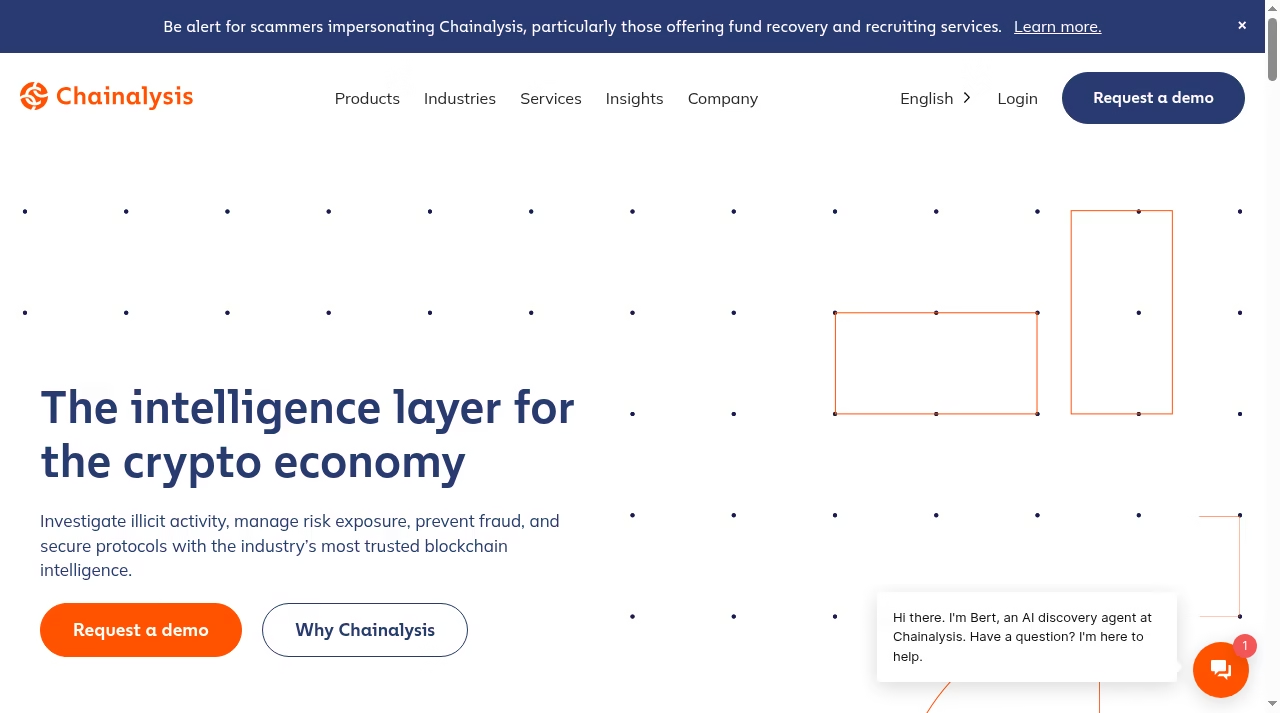
Chainalysis supplies blockchain intelligence for investigating illicit activity, managing exposure, preventing fraud and securing protocols. Its current site separates investigations, compliance, fraud prevention and analysis workflows. That makes it a different purchase from hiring an agency to write a token contract: the buyer is evaluating data coverage, intelligence quality and how investigators or compliance staff work with it.
For an exchange, payment company or investigation team, ask which networks and assets the proposed package covers, how alerts reach existing systems and how evidence is exported. Run a proof of concept against representative transactions rather than assuming every chain has equivalent coverage. Request training requirements and review procedures for disputed labels. A risk signal is an input to a decision, not a legal finding or a guarantee that a transaction is safe.
2. Ripple
Category: Financial infrastructure. Visit the current official website.
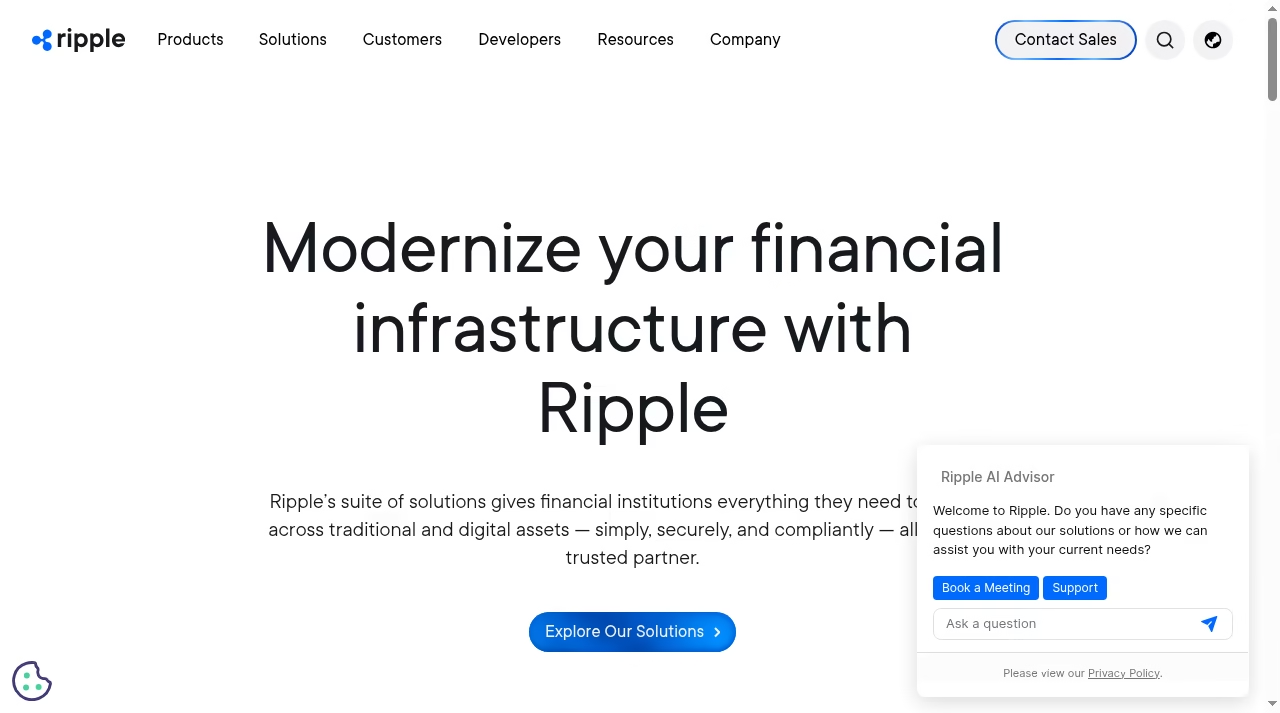
Ripple now presents a suite of financial infrastructure for institutions working across traditional and digital assets. Its homepage covers payments, custody and stablecoin-related solutions rather than the older xCurrent, xRapid and xVia descriptions copied into many historic directories. Compare the current product that solves the intended workflow; Ripple is not simply an interchangeable outsourced blockchain development team.
For cross-border payments, define sending and receiving markets, settlement currency, payout partners and liquidity requirements before requesting a demonstration. For custody, ask about key controls, approvals, recovery and the precise legal entity providing the service. Do not assume a Ripple integration requires buying XRP or that every product is available in every country. Commercial availability, regulatory coverage and onboarding terms need confirmation for the buyer’s own use case.
3. Pastel Network, now Lumera Protocol
Category: Decentralized infrastructure. Visit the current official website.
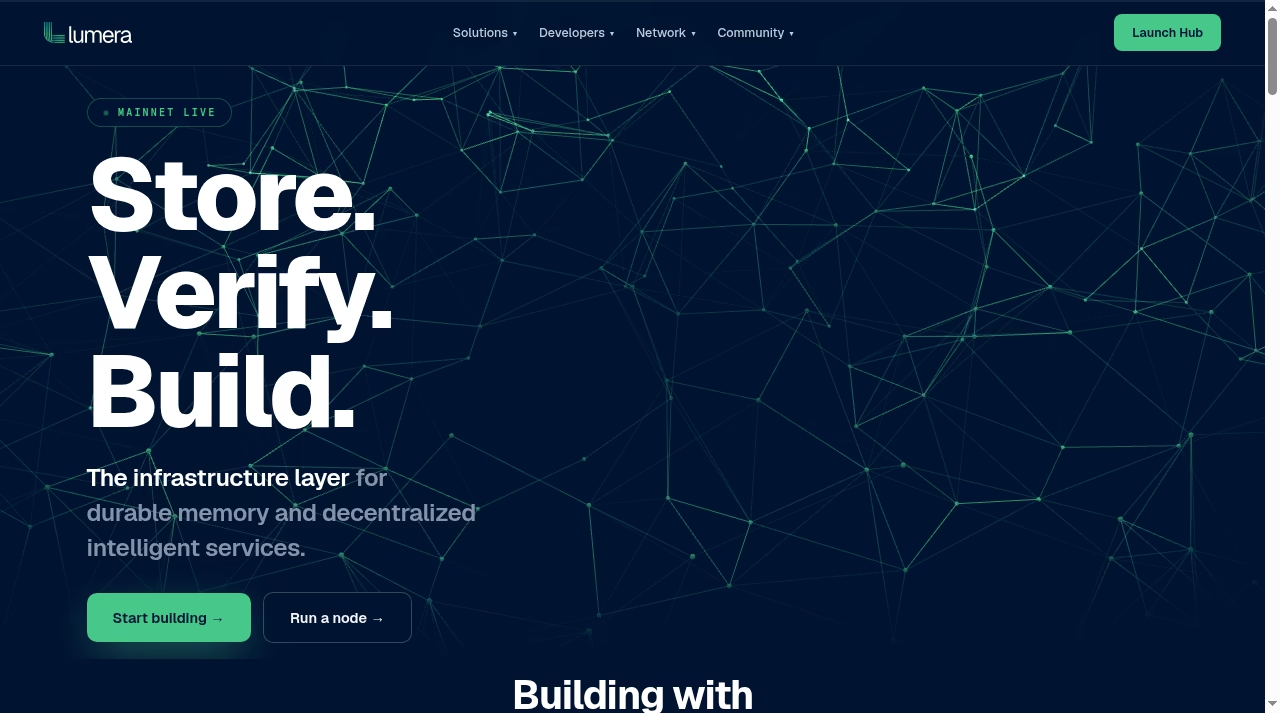
The original Pastel Network domain redirects to Lumera. Lumera’s official 2025 review explicitly describes the evolution from Pastel into a rebuilt infrastructure layer for decentralized storage, content authenticity and AI workloads. The current homepage presents storage, verification and decentralized intelligent services. This is a protocol ecosystem for builders, not a conventional agency with a generic fixed-price development package.
Teams evaluating it should work from current Lumera documentation and deployment status, not old Pastel revenue estimates or token descriptions. Check network compatibility, storage retrieval, node requirements and a migration path for existing assets. The official site publishes network updates and incident discussions; review those alongside the architecture. Separate the suitability of the underlying infrastructure from any expectation of token returns. A technical integration decision should stand on service behaviour, operating costs and recovery procedures.
4. LeewayHertz
Category: AI and custom software engineering. Visit the current official website.
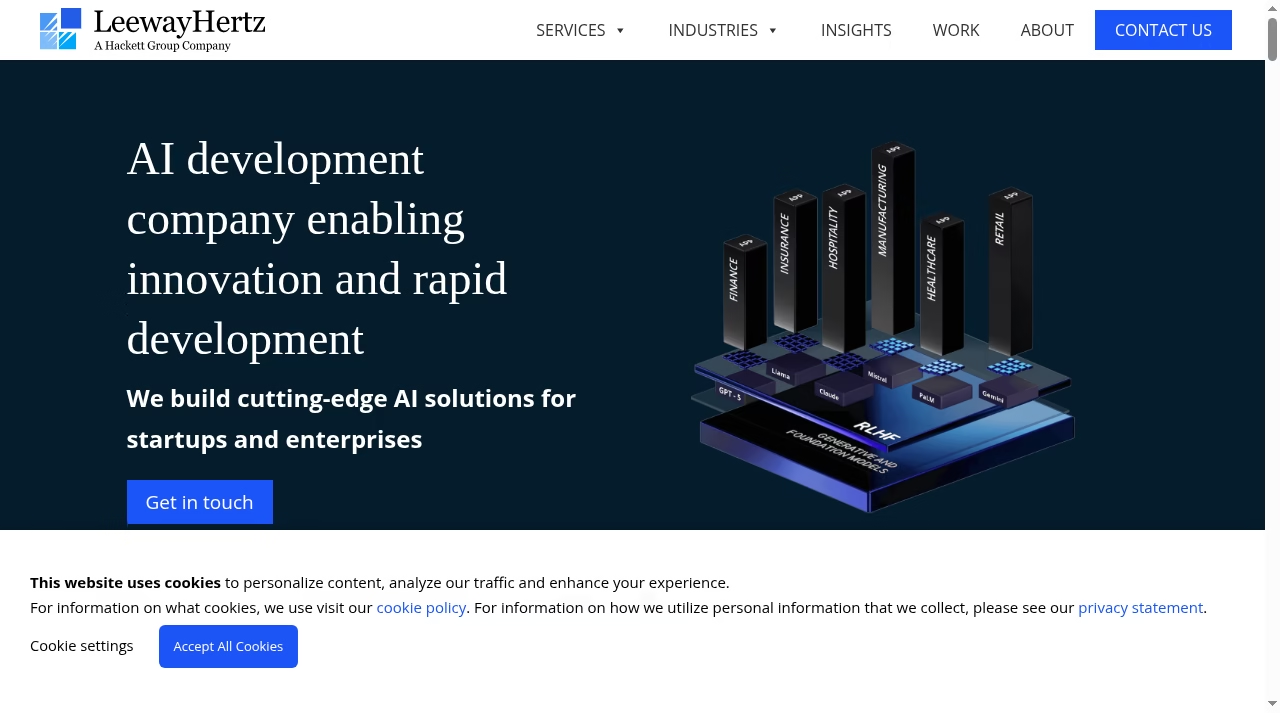
LeewayHertz’s current homepage leads with AI development, integration, data engineering and custom software. It describes dedicated teams, team extension and project-based delivery, and presents ZBrain as an enterprise AI platform. This is a broader software partner than the old profile suggesting a fixed number of blockchain deployments. Its current AI emphasis matters when deciding whether a blockchain requirement is genuinely central to the proposed engagement.
Ask for recent work on the exact chain and contract environment you need, the named engineers who would deliver it and the division between proprietary platform features and custom code. Where AI is part of the design, define evaluation data, permission boundaries and how off-chain outputs enter a transaction. Compare a standard database implementation with the proposed ledger. The useful question is whether the architecture fits the business problem, not whether an older directory called the firm a top blockchain company.
5. SoluLab
Category: Blockchain, tokenization and custom applications. Visit the current official website.
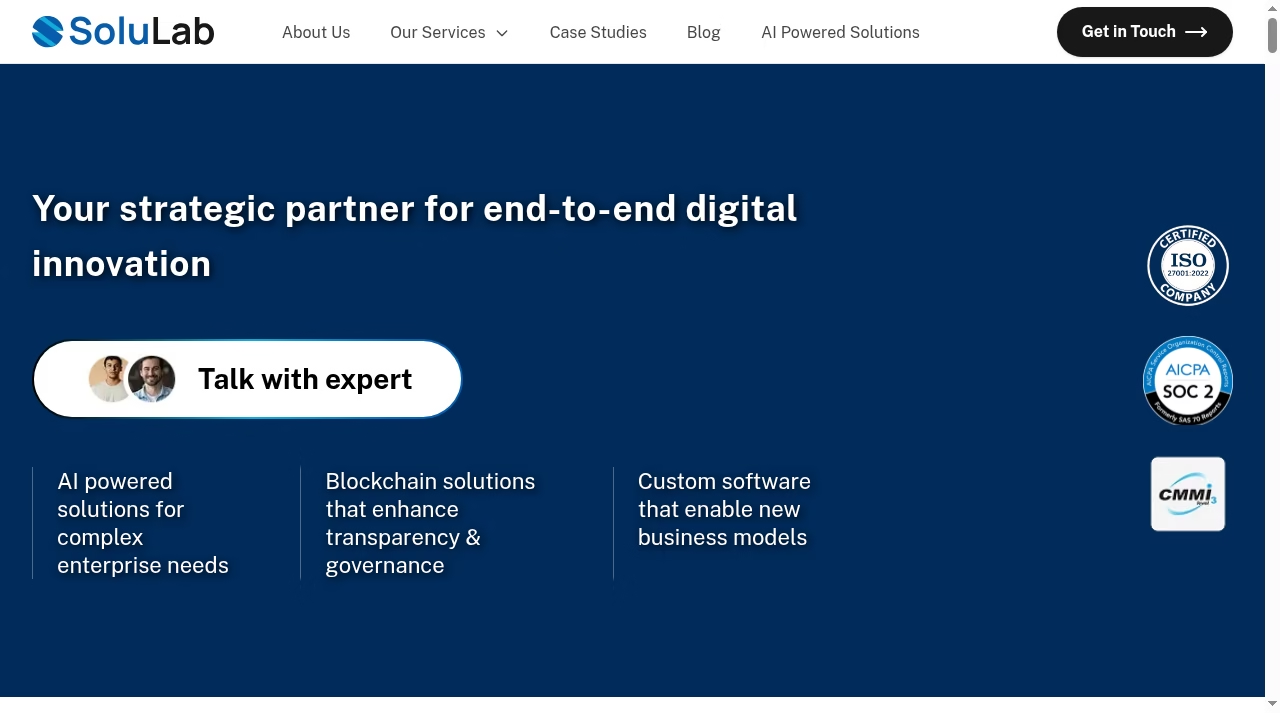
SoluLab explicitly offers blockchain development, smart contracts, decentralized applications and enterprise ecosystems alongside AI and custom software. Its official site describes real-world asset tokenization and illustrates work involving wallets, marketplaces and private-network supply-chain systems. That range makes it relevant for buyers who need both on-chain logic and the application, administrative interfaces and integrations around it.
Start by selecting a concrete workflow and network, then ask the proposed team to show comparable delivery evidence. An asset-tokenization platform needs issuance rules, custody, permissions and operational handling as well as token code. Have the proposal identify what is custom, what uses existing components and which parts receive an independent security review. Website examples are useful screening evidence, but they do not establish your project’s price, legal compliance or production security. Get acceptance tests and post-launch responsibilities in writing.
6. Texture Capital
Category: Tokenized securities and marketplaces. Visit the current official website.
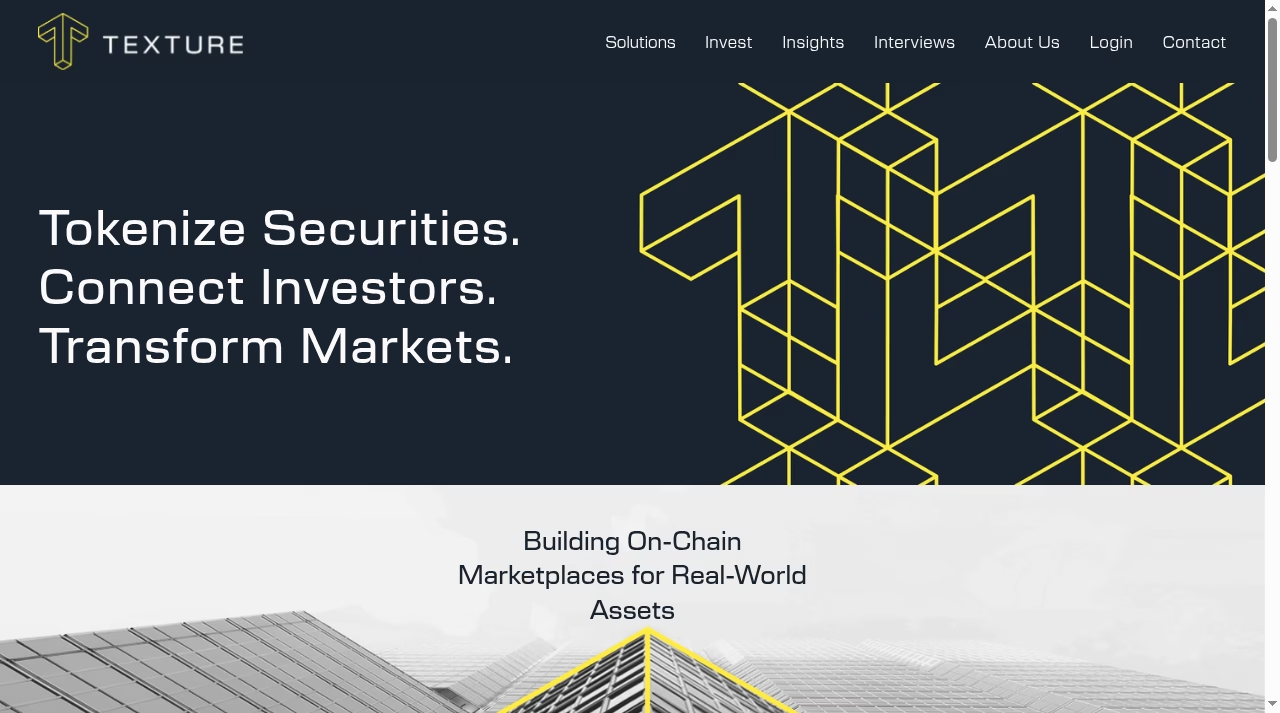
Texture focuses on tokenizing securities, connecting investors and supporting on-chain marketplaces for real-world assets. Its official site describes capital formation, controlled secondary trading, transfer-agent support through an affiliate and blockchain validation. It identifies itself as a FINRA member and SEC-registered broker-dealer. Those are the company’s descriptions here, not a substitute for checking the actual entity and permissions relevant to a transaction.
A securities issuer should assess investor eligibility, transfer restrictions, recordkeeping and the proposed market structure before discussing software features. Ask which entity handles each regulated function and what jurisdictions, asset classes and offering types are supported. A client-branded marketplace is not the same as unrestricted public liquidity. Have qualified legal advisers review the structure. Texture belongs in a category for securities-market infrastructure, not in a like-for-like table against an agency building a gaming wallet or consumer dApp.
7. Sparkbit
Category: Data-intensive software and AI. Visit the current official website.
Sparkbit’s current official site emphasizes advanced data-processing systems, machine learning, architecture, DevOps, interfaces and data pipelines. Its examples and testimonials focus on difficult algorithmic and software engineering problems. This supports treating it as a data and software engineering candidate. The reviewed current homepage does not establish a general blockchain contracting offer, so the legacy claim that it is a blockchain specialist is not repeated as fact.
Consider Sparkbit when the hard part of a project is off-chain data processing, analytics or integration rather than assuming it provides the full smart-contract stack. Request direct evidence for any ledger-specific component in the proposed scope. Clarify code ownership, cloud-account ownership, model delivery and operational documentation. Its stated IP-transfer approach is a useful question to bring into contract review, but the signed agreement controls the final rights. Match a technically strong team to the actual work rather than stretching an old category label.
8. JatApp
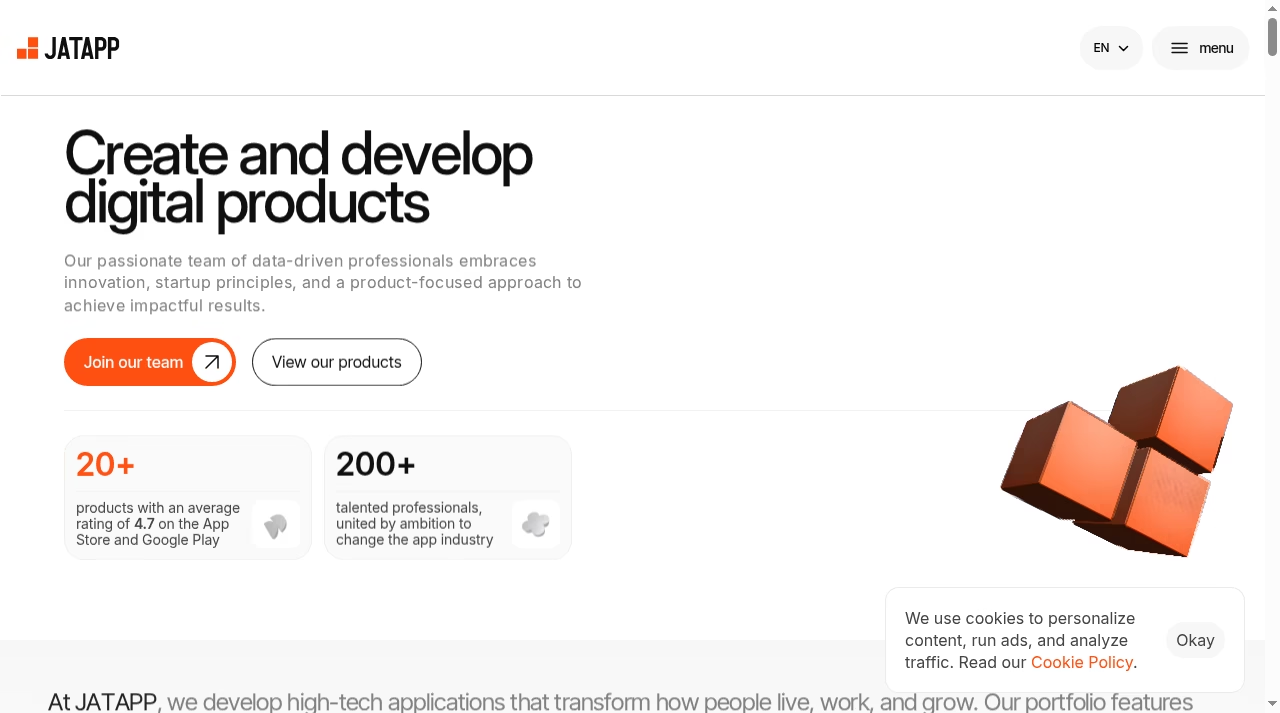
Category: Consumer software product company. Visit the current official website.
JatApp’s current site describes building its own digital products in utilities, business, education, lifestyle and cybersecurity. Its displayed portfolio includes tools such as cleaners, scanners, fax apps and plant identification. That evidence is materially different from the older profile advertising blockchain development services. JatApp remains a current software company, but the reviewed site does not establish it as an available blockchain agency for hire.
Keep it in a landscape comparison only with that distinction clear. If you need an external delivery partner, first confirm whether JatApp accepts such engagements at all and obtain current blockchain-specific evidence before shortlisting it. Its own-product portfolio can inform product strategy, but consumer-app experience alone is not evidence of secure contract engineering. Do not use historic directory claims, old office information or aggregate app ratings to fill the gap. For a contracting shortlist, prioritize firms with an explicit current offer in the required service.
9. Axioma
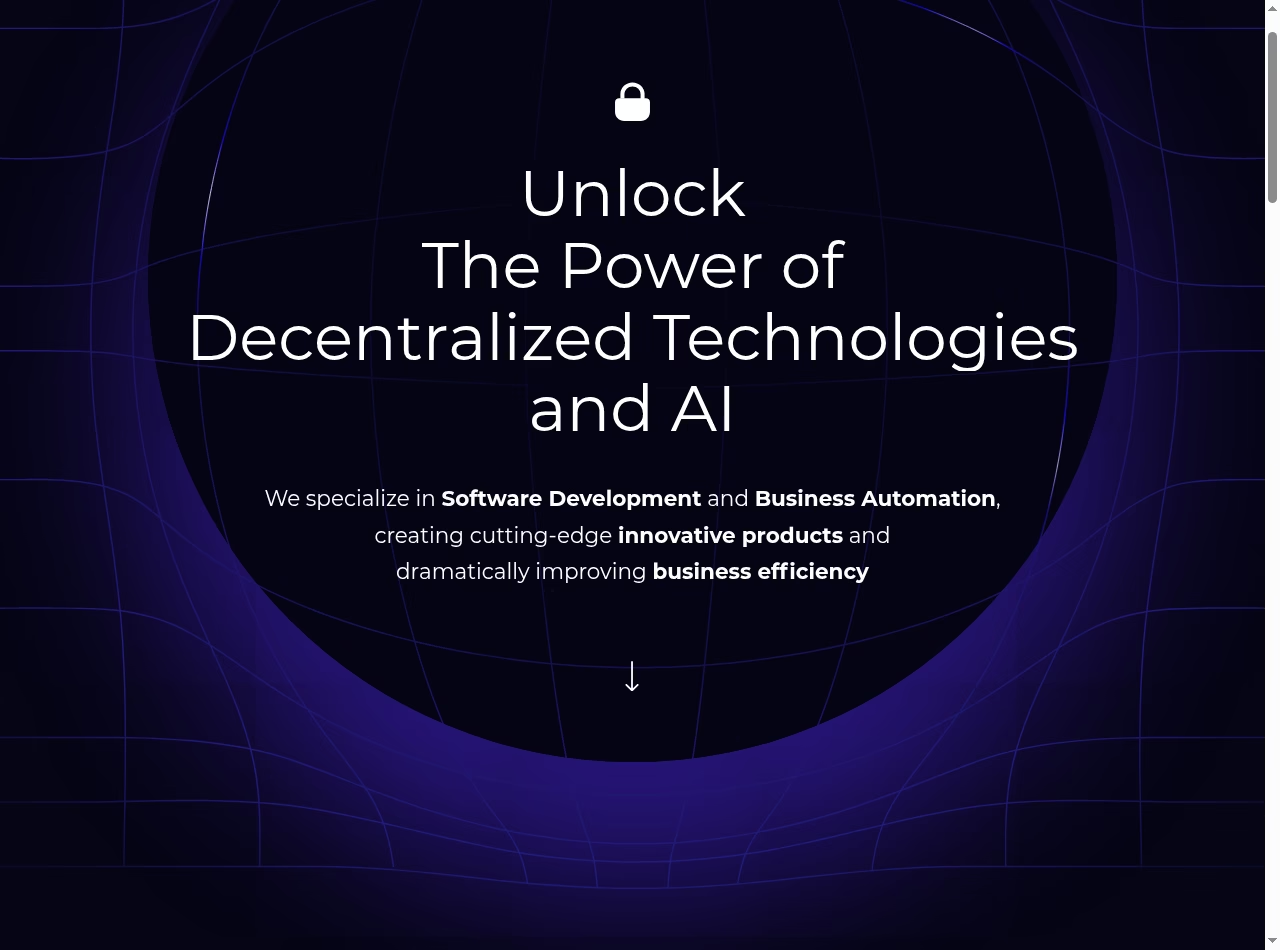
Category: Web3 and AI development. Visit the current official website.
Axioma’s current site describes software development, business automation, AI and Web3 work. Its decentralized expertise includes smart contracts, digital-asset security architecture, key-management software, wallet development and tokenization. The site also lists decentralized networks and explains a delivery process with estimation, risk analysis, sprint reporting, demonstrations and retrospectives. These are more useful comparison points than the old unsupported headquarters and founding details.
A buyer should narrow the request to the network, custody model and asset behaviour needed. Ask how privileged keys are handled, which wallet functions are in scope and who controls upgrades. For tokenization, map the rights represented by a token to off-chain records and legal agreements. Axioma’s published process gives you a basis for requesting demonstrations and delivery checkpoints, but a sprint cadence is not a delivery guarantee. Require explicit handover materials and security review milestones rather than leaving those as implied features.
10. ScienceSoft
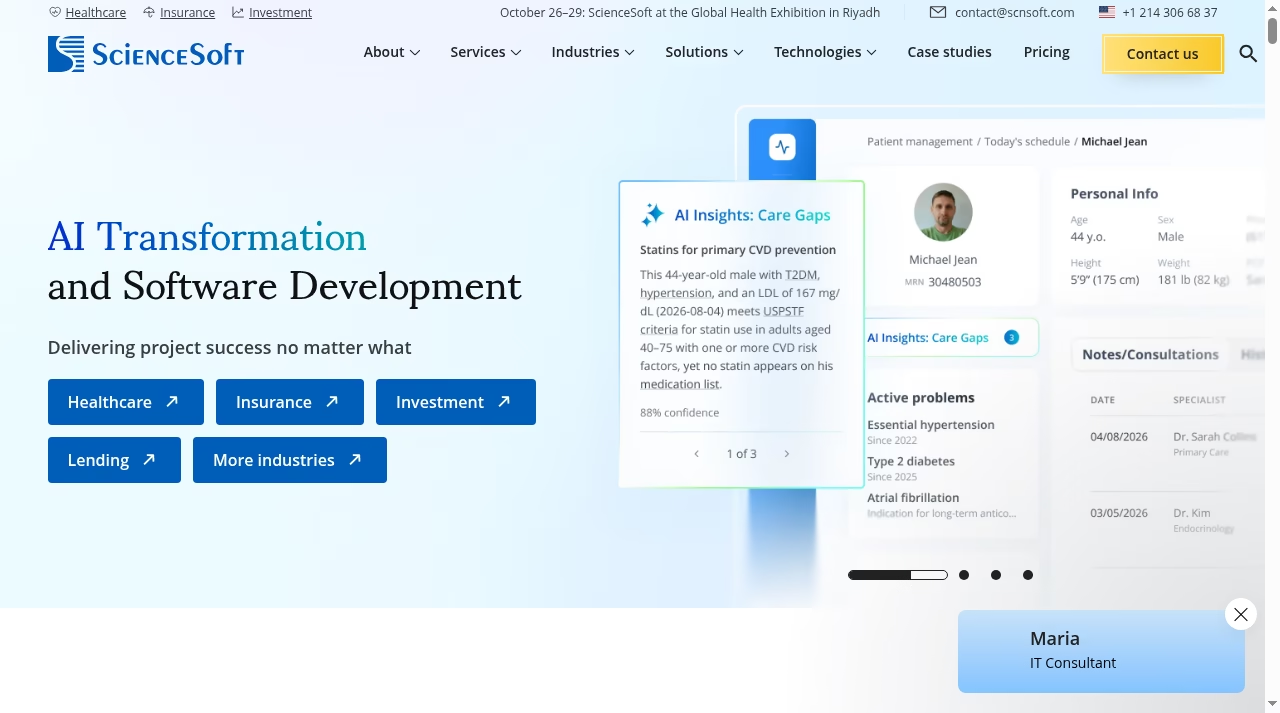
Category: Enterprise blockchain consulting and implementation. Visit the current official website.
ScienceSoft’s official site includes blockchain consulting and implementation for enterprises and blockchain product development for software companies. Its dedicated blockchain material covers network and application design rather than only a single cryptocurrency product. That puts it in the category of broader enterprise engineering partners where the ledger must connect with existing systems, permissions and operating processes.
Evaluate the proposed architecture against the organisation’s identity systems, data boundaries and integration requirements. Ask who operates nodes, how private data is stored and how ownership of contracts and application code is transferred. Compare private and public-network options with a conventional database approach. Large-company experience or a wide service catalogue does not settle your scope. Request a named team, a recent comparable example, an independently reviewed threat model and an agreed plan for maintenance, monitoring and incident response after launch.
11. Techracers, now Deqode
Category: Software engineering with blockchain experience. Visit the current official website.
Deqode’s official about page confirms that it started as Techracers and adopted the Deqode brand. Its current homepage presents software engineering, consulting, delivery teams and product development, with a case example involving automated crypto payments for decentralized finance. Keep the older Techracers name as a historical identifier, but use Deqode for current discussions and do not copy the old profile’s unrelated establishment and headquarters fields.
Ask which blockchain capabilities are available from the team proposed for your project rather than treating the rebrand as proof that every engineer has the same expertise. Define whether you need staff augmentation, an accountable project team or a complete product engagement. For payment workflows, examine transaction retries, reconciliation, wallet permissions and failures at the interface between on-chain and off-chain systems. The current site gives useful evidence of software and crypto-related work; security quality and delivery fit still depend on the specific proposal and technical review.
12. Unicsoft
Category: Web3 applications and tokenization. Visit the current official website.
Unicsoft explicitly presents Web3 development, consulting, tokenization, DeFi software, enterprise blockchain systems, wallets and blockchain games. Its official case material describes projects involving carbon markets, gold tracking, wallets and marketplace concepts. It also distinguishes discovery and proof-of-concept work from broader implementation, a useful detail when a buyer is still validating whether a decentralized design makes sense.
Choose a comparable example in the same asset, network and user-flow category, then ask which parts were discovery, concept work or production delivery. A tokenization vision is not automatically a live marketplace with demonstrated liquidity. Request the network selection rationale, audit scope, custody assumptions and ownership of operational accounts. The breadth of the published offer makes Unicsoft a relevant screening candidate, but do not turn partner badges or vendor statements into an independent assurance of your project. Validate the actual delivery team and final contract.
Previously listed names with changed or unavailable original domains
Blockchangers, Aeries Blockchain Corporation and the legacy OpenLedger entry are not presented as current options. Blockchangers’ original domain could not be reached during this refresh; Aeries’ original domain is for sale; the old OpenLedger domain now presents an embedded-accounting offer, and continuity with the previously listed blockchain company could not be established. These names are retained only as a record of the earlier directory. No similarly named company has been substituted.
How to choose a blockchain development partner
Write the workflow before choosing the chain
Describe the actors, asset, source of truth and failure cases in plain language. Who can issue, transfer, freeze or recover an asset? Which records are public, and which must remain private? If one organisation controls all writes and a standard database meets the audit requirement, ask the provider to explain the additional value of a ledger. A credible proposal should compare alternatives rather than make blockchain the answer to every problem.
Make the first milestone a small, measurable slice
Use one representative workflow to test the design. For example, issue a test asset, transfer it between two approved accounts, reject an unauthorised action and reconcile the result with the application database. Include a failed transaction and a lost-access scenario. The milestone should produce readable code, deployment instructions, test results and an updated risk list. Do not approve a larger rollout merely because a demonstration shows a successful transfer.
Separate development, security review and legal work
A development team creates the system; an independent reviewer examines the relevant code and controls; qualified legal advisers assess regulated activities. Ask who is responsible for each function. An audit report should state the reviewed commit and scope, unresolved findings and whether fixes were rechecked. It does not guarantee that a product is free of vulnerabilities, and it cannot validate assets or rights that exist outside the software.
Plan costs, ownership and the operating handover
Compare total operating cost, not only the build quote
Request separate estimates for discovery, application engineering, contracts, integrations, review and deployment. Then ask about RPC or node services, transaction fees, storage, monitoring and support. Model a normal month and a higher-traffic month using your own volume assumptions. Avoid copying a generic hourly rate into the decision: two proposals can have the same rate but very different scope, staffing and ongoing obligations.
Keep control of the assets needed to run the system
The agreement should specify ownership of repositories, domains, cloud accounts, keys and deployment credentials. Decide who can approve upgrades and emergency actions. Use an access inventory, documented recovery process and a transfer plan so the original developer does not become an unavoidable single point of failure. Where a vendor provides a licensed product, distinguish the licence from the custom code you own.
Define launch acceptance and incident responsibility
Acceptance should cover permission tests, failure handling, reconciliation, performance, documentation and security findings, not only the appearance of the interface. Agree alert routing, support hours, response targets and what counts as a paid change. A launch needs a rollback or containment plan where possible, plus a clear decision-maker when an issue occurs. For product planning, see our minimum viable product guide and compare startup development partner types before committing to a large scope.
Frequently asked questions about blockchain companies
What is the difference between a blockchain company and a blockchain development company?
A blockchain company may sell analytics, payments, custody, a protocol or its own applications. A development company offers engineering services to build or integrate systems for a client. The distinction changes what you buy and how you assess it. For an analytics platform, evaluate data coverage, access and workflow integration. For a development engagement, evaluate the proposed team, code ownership, milestones and handover. Some firms do both, but confirm the current offer rather than assuming a category label means custom development is available.
Which companies in this guide currently advertise blockchain or Web3 development?
SoluLab, Axioma, ScienceSoft and Unicsoft explicitly describe relevant development services in the reviewed official material. Deqode presents broader software engineering with crypto-related case evidence; LeewayHertz’s current homepage is AI-led; Sparkbit focuses on data-intensive engineering. Ask those broader firms for current, specific blockchain evidence. JatApp’s reviewed site presents its own consumer products, not a verified blockchain contracting offer. This is a screening distinction, not a quality ranking. The best fit depends on network, assets, integration needs and the actual delivery team.
How should I check a provider’s smart-contract security claims?
Request a threat model, test plan and a review process before deployment. Ask for the exact code revision covered by any independent report and whether remediation was checked. Examine privileged roles, upgrade mechanisms, key storage, external dependencies and failure scenarios. Make sure the review covers the system you will run, not an unrelated contract from an earlier project. Set a launch rule for unresolved findings and document who can pause or contain a problem. A badge, a vendor promise or an audit alone is not a guarantee of safety.
How much does a blockchain project cost?
There is no verified universal price in this guide. A useful estimate depends on discovery, interfaces, contract complexity, custody, identity checks, integrations and the security review. Ask each provider to price the same written scope and to separate one-time work from recurring costs. Include network transactions, infrastructure, monitoring and support in the comparison. A small proof of concept can test an assumption without funding the whole system. Treat historic directory rates as obsolete until the provider gives a current quote with assumptions and exclusions.
Should a business use a public or private blockchain?
Begin with who needs to share a trusted record and who is allowed to write it. A public network can support open verification and interoperability, but brings transaction costs, public-data considerations and dependence on network conditions. A permissioned design offers different governance and access controls but requires clear responsibility for nodes and membership. A database may be simpler when one operator already controls the workflow. Ask the provider to compare these choices against privacy, performance, governance and recovery requirements rather than selecting a chain by popularity.
Are blockchain companies or their tokens guaranteed to be profitable?
No. This is a technology and service comparison, not an investment recommendation. A functioning product, a well-known company or a network integration does not establish token returns. A software contract also does not guarantee that a new business model will find customers. Separate the purchase of engineering services from any asset investment. For tokenized securities or other regulated activities, confirm the relevant legal entity, jurisdiction and permissions with qualified advisers. Do not rely on old revenue estimates or claims of guaranteed profitability.
Why are Pastel and Techracers shown under newer names?
The original directory included Pastel Network and Techracers. Pastel’s domain now leads to Lumera, and Lumera’s official review describes the transition. Deqode’s official about page describes its earlier Techracers identity and rebrand. Those are evidenced transitions, so both old and current names are shown to help readers connect the records. This does not mean that every old feature, price or contract remains available. Use current documentation and confirm migration or delivery details before relying on the earlier product description.
What should be in a blockchain development contract?
Define deliverables, acceptance tests, payment milestones, code and account ownership, third-party licences and responsibility for security review. Specify who controls keys, upgrades and emergency actions, and what handover documents are required. Set support terms and distinguish defects from new features. If the product involves assets or regulated functions, assign the legal and operational work explicitly. Keep a current inventory of repositories, infrastructure and access roles. A written scope makes proposals comparable and reduces the risk of paying for a demonstration without receiving an operable system.







Leave a Reply