





Choose a cryptocurrency wallet development company by its custody design, key-management expertise, supported networks, security testing and ownership terms. A wallet interface alone is not the full product: signing, recovery, transaction handling and ongoing operations matter.
Reviewed October 3, 2026. This guide retains the original seven candidates with corrected links and current scope checks. It is a research shortlist, not a security certification or measured ranking. Old staffing figures, rates, minimum budgets and a historical blockchain market forecast have been removed.
Define your wallet before shortlisting developers
- Custody: establish who can control signing keys and approve transactions.
- Users: identify consumers, businesses or an internal team and their recovery needs.
- Networks and assets: specify supported chains and token standards; “multi-currency” is not enough.
- Platforms: define web, mobile, browser extension or other client requirements.
- Integrations: separate optional swaps, payments and DeFi connections from the base wallet.
- Operations: agree on upgrades, support, incident handling and release ownership.
Compare crypto wallet companies by delivery route
These are procurement differences, not ratings. Use the table to decide who deserves a technical conversation. A homepage screenshot shows the company site, not proof that its software is safe.
| Company | Scope to investigate | Delivery evidence |
|---|---|---|
| Antier | Browser-based wallet development | Web-wallet service published; quote required |
| SoluLab | Custom blockchain work with a Solana wallet reference | Solana wallet reference; project terms to confirm |
| Evercode Lab | White-label wallet and API-based backend | White-label product or subscription API |
| Idealogic | Fintech engineering with a current non-custodial wallet example | Dedicated squads and fintech wallet evidence |
| APPWRK | Application delivery requiring wallet-specialist confirmation | Dedicated teams; specialist evidence required |
| Aalpha | Software outsourcing with blockchain and Web3 services | Outsourcing; wallet evidence required |
| Deqode | Outsourced software capacity with wallet scope to establish | Outsourcing; wallet evidence required |
7 cryptocurrency wallet development candidates
1. Antier
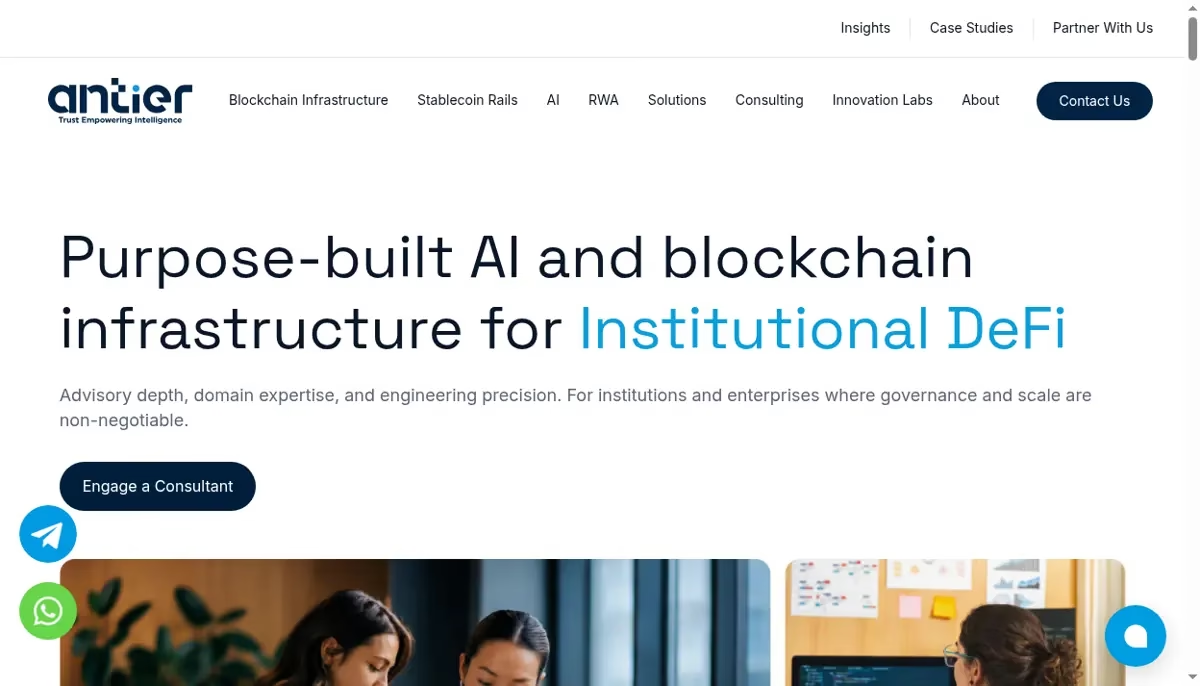
What it builds: Antier publishes a dedicated web-wallet development service. The page describes browser access, QR scanning, two-factor authentication and private-key-based solutions, with development through deployment and ongoing support. Its former antiersolutions.com homepage and service URL now redirect to antier.com. The browser delivery format is clear; the actual custody, recovery and hosting architecture still needs to be specified for your project.
Who it may suit and what to ask: A buyer building a browser wallet can use this service as a direct lead. Ask which features apply to the proposed implementation and who controls signing keys. Two-factor authentication for login is not a substitute for a signing-security design. Require a recovery demo, a browser-security review and a contract stating which support hours, updates and third-party services are included.
Antier official service and project information
2. SoluLab
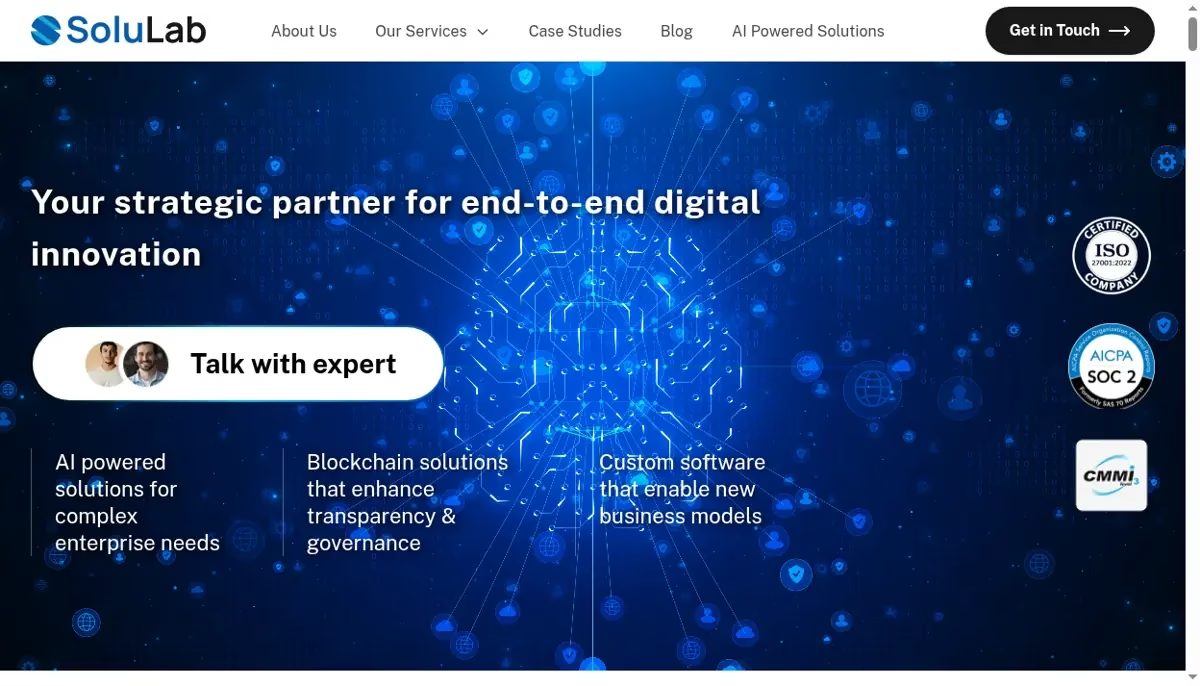
What it builds: SoluLab publishes blockchain-development services covering decentralized applications, smart contracts and enterprise blockchain systems. Its homepage also describes an NFT-wallet service on Solana with wallet ownership transfers and automated auctions. That is a relevant provider-published reference, but an NFT-auction wallet is a different brief from a Bitcoin payments wallet or a multi-chain consumer application.
Who it may suit and what to ask: Consider it when custom chain integration is central to the product. Ask for the reference architecture and the exact work done by the proposed team, without relying on headline performance claims. Request a separate scope for client apps, transaction construction, signing and backend services, and confirm whether the engagement is a project or an ongoing team.
SoluLab official service and project information
3. Evercode Lab
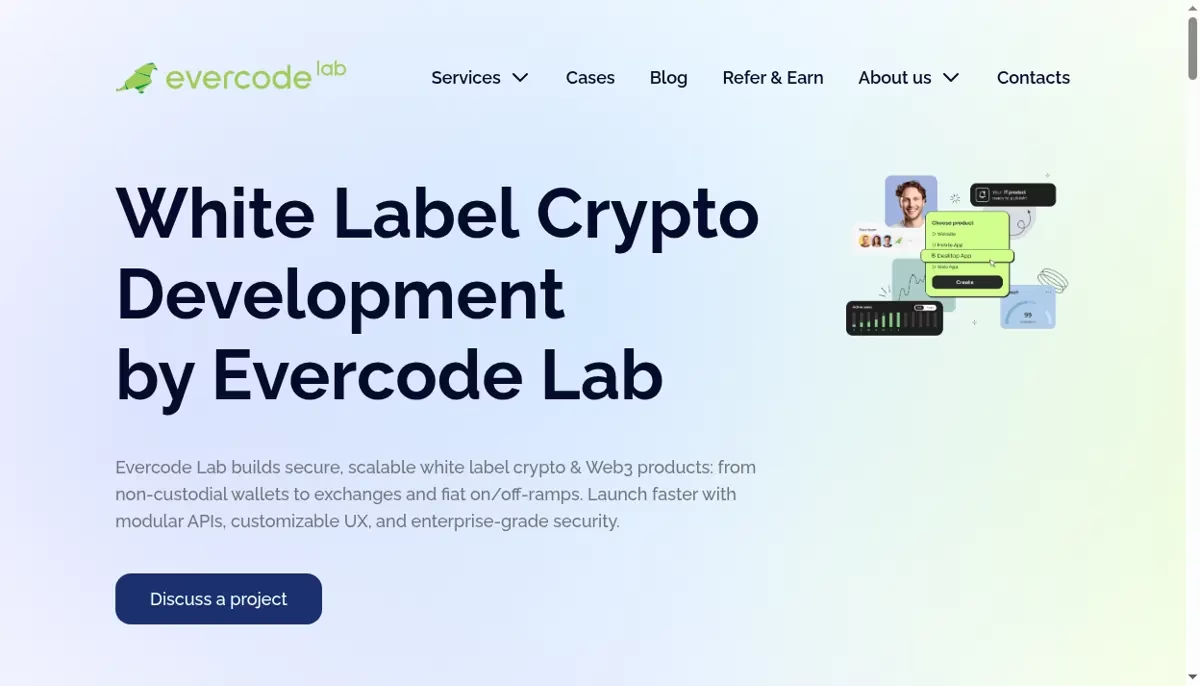
What it builds: Evercode Lab explicitly offers non-custodial white-label wallets, exchanges and fiat on/off-ramp products. Its wallet offering is described as cross-platform and brandable. It also advertises Everchain as an API-based subscription backend with pre-tested modules. This is a product-led procurement option, not simply a directory listing for developers you hire by the hour.
Who it may suit and what to ask: It may suit a buyer adapting established components, or a team that wants to build its own interface around a supplied backend. Compare the licensed wallet with the subscription API route. Ask what runs on your infrastructure, what stops working when a subscription ends, whether signing depends on the provider, and which code, branding and integrations can be changed independently.
Evercode Lab official service and project information
4. Idealogic
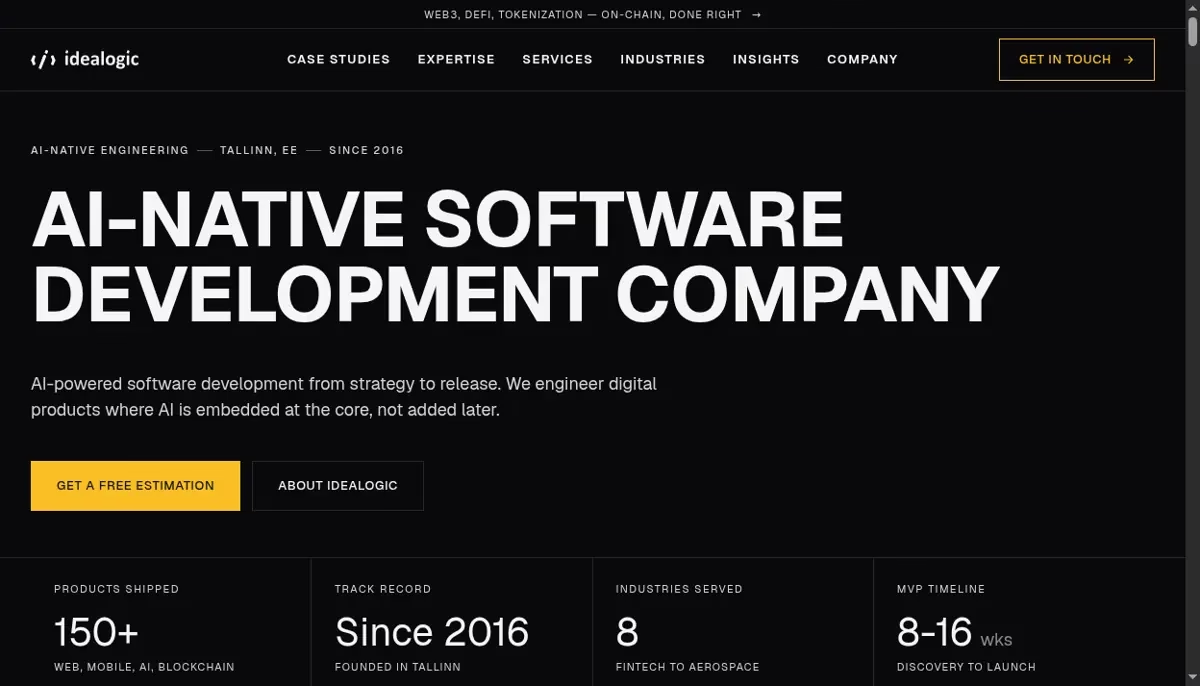
What it builds: Idealogic now describes AI-native software engineering and dedicated squads on its homepage. Its current fintech page specifically names payments, digital banking, trading and wallets, and describes Swissy as a non-custodial wallet with device secure-enclave key storage and social recovery. This is stronger current wallet evidence than the older Zert reference from the previous version of its website. These remain the provider’s descriptions, not an independent assessment of the implementation.
Who it may suit and what to ask: It may be relevant when a wallet sits inside a wider financial product. Ask for a Swissy walkthrough, the threat model and what recovery parties can authorize. Specify which engineers own signing, mobile delivery and compliance-related integrations. Do not treat the company’s general AI-assisted delivery process or homepage MVP timeline as a wallet-specific quote or security guarantee.
Idealogic official service and project information
5. APPWRK

What it builds: APPWRK presents web and mobile application development, AI-driven digital transformation, dedicated development teams and post-launch support under an SLA. Its broader services include blockchain work. The reviewed homepage does not establish a specific crypto-wallet reference or a particular custody architecture, so it remains a conditional candidate rather than a verified wallet specialist.
Who it may suit and what to ask: A buyer needing interface or application capacity can investigate it, but should name the separate signing and blockchain responsibilities. Ask for recent wallet work, a relevant technical lead and proof of the recovery implementation. For a dedicated team, define who owns code review and release approval; for an SLA, document incident severity, response targets and what maintenance work is excluded.
APPWRK official service and project information
6. Aalpha
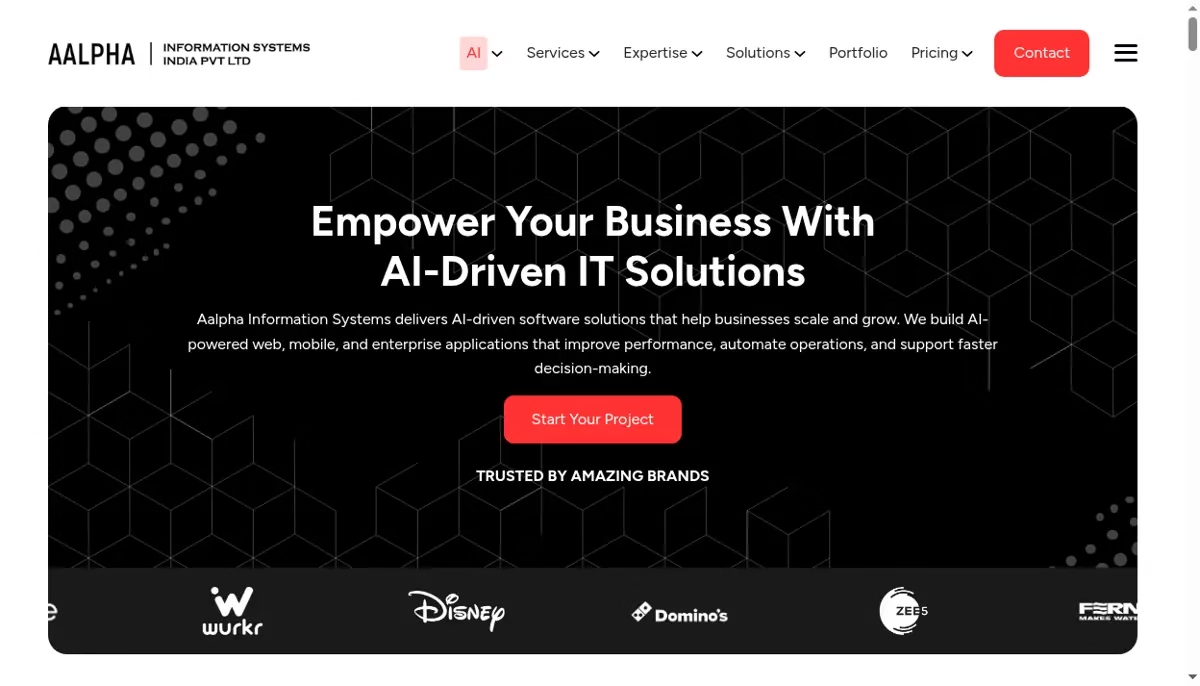
What it builds: Aalpha Information Systems publishes software outsourcing, web and mobile engineering, blockchain and Web3 development. Its site describes decentralized platforms and smart-contract systems, plus discovery, development and maintenance stages. Those capabilities can be relevant around a wallet, but the reviewed homepage does not show enough to verify a complete cryptocurrency-wallet product or specialist key-management team.
Who it may suit and what to ask: Use it as an application or outsourcing lead only after wallet-specific qualification. Ask which work is delivered directly and whether a blockchain-security partner is needed. Require a named network list, reference demo and recovery tests. A broad financial-software portfolio should not be treated as evidence of Bitcoin signing or production self-custody experience.
Aalpha official service and project information
7. Deqode
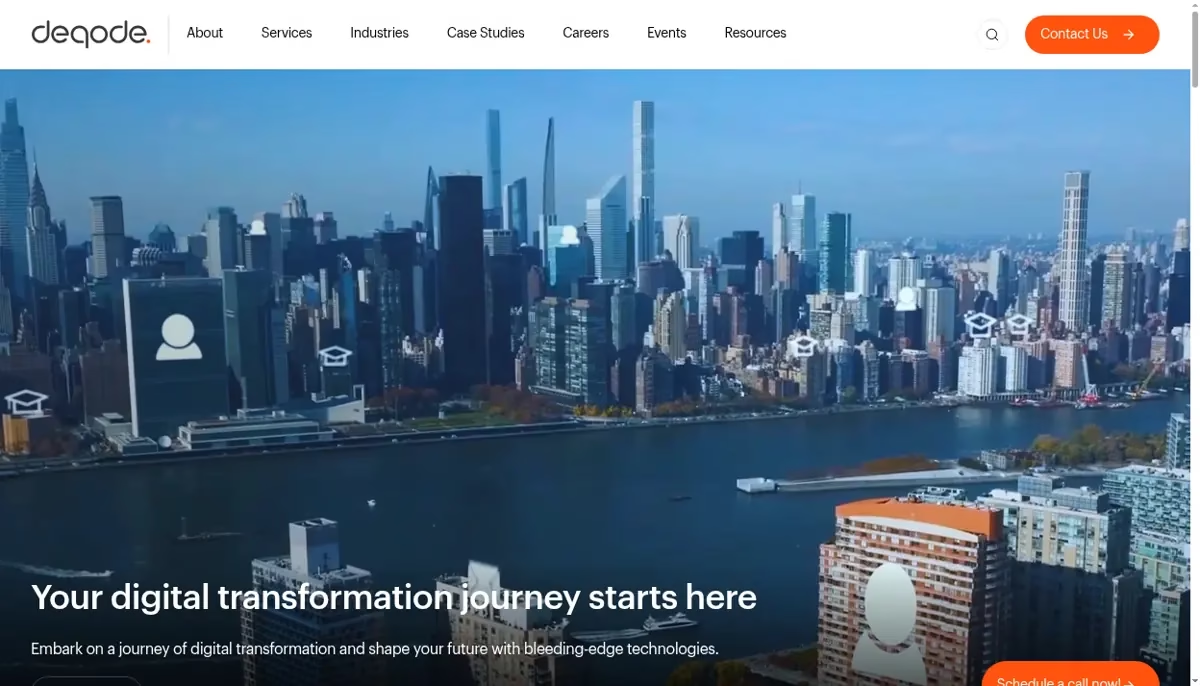
What it builds: Deqode’s current site presents software development and IT outsourcing, with customer statements about finding engineering resources for long-term projects. That provides context for a capacity-based engagement, but does not establish the exact wallet product, network support or signing-security experience required here. Keep its inclusion conditional on a current technical and reference check.
Who it may suit and what to ask: A buyer with an internal product and architecture team can investigate outsourced engineers for a defined workstream. Ask for the actual engineers’ wallet experience, senior review coverage and code-ownership terms. If seeking an end-to-end wallet, require a written architecture and delivery plan first. Do not leave custody design, security review or production incidents outside the responsibility matrix.
Deqode official service and project information
Security and delivery checks for a crypto wallet project
- Threat model: document what must be protected, how signing works and the risks the design addresses.
- Recovery: test lost-device, backup and access-restoration scenarios. Recovery must not contradict the promised custody model.
- Transaction clarity: test whether users can understand what they are approving. Include failure, rejection and network-interruption cases.
- Dependencies: inventory third-party components and establish upgrade and vulnerability-handling responsibilities.
- Independent review: define what is reviewed, by whom and when. A supplier’s audit claim should include the scope and relevant version.
- Release and handover: require code, build instructions, test assets, documentation and account ownership.
Ethereum’s wallet guidance explains wallets as tools for interacting with an account. It is a useful starting point for separating the user interface from the underlying account and access model. It does not certify any company in this list.
Custom wallet or white-label product?
Compare the exact code and licensing rights, feature limits, security-review scope and ongoing support. Custom development can provide flexibility but also creates maintenance work. White-label software may reduce some initial work, but it does not remove the need to validate the implementation and understand supplier dependence.
Cryptocurrency wallet development FAQ
How much does crypto wallet development cost?
Request a current scope-based quote. Custody, supported networks, client platforms, integrations, security review and maintenance affect the work. Compare the same deliverables rather than old directory hourly rates.
Can a wallet support every cryptocurrency?
Do not assume so. Require an explicit list of supported networks and asset standards, and a plan for adding new ones. Confirm how network changes, indexing and transaction failures are handled.
Does an audit mean a wallet is safe?
It is evidence about the reviewed scope and version, not a guarantee against every failure. Ask what was tested, what was excluded and whether issues were fixed. Review later changes and operational controls as well.
What is the difference between custodial and non-custodial wallets?
The key question is who can control signing and access. Ask the developer to explain the actual architecture and recovery model, not only attach a label. Confirm the consequences for users and any business obligations with qualified advisers.
How long does it take to build a wallet?
There is no useful universal timeline. Require milestones for design, prototype, integration, testing, review and release. A demo interface is not equivalent to a production-ready wallet.
What should I own after the project?
Agree on source code, documentation, build and deployment instructions, editable assets and release accounts. Identify third-party licenses and components you do not own, and define a transition process.
For a narrower DeFi brief, compare our DeFi wallet development companies guide. Wallet development is software procurement, not advice to invest in cryptocurrency.
Turn a wallet brief into a comparable proposal
Send the same brief to each team. State the user type, custody and recovery model, launch networks, client platforms and essential actions. Ask the vendor to mark each component as existing, custom-built or supplied by a third party. This reveals whether two prices cover the same product before you compare them.
- Discovery output: architecture diagram, threat model, user flows, supported network list, dependency inventory and a phased backlog. Make these usable by another reviewer.
- Prototype acceptance: test send, receive, fee display, rejected signatures, recovery and network failure. A working dashboard without these paths is not a complete wallet prototype.
- Release gate: review the relevant client, signing, contracts and backend, then verify remediation. Separate app-store approval and external audit scheduling from the supplier’s development milestones.
- Operational handover: get repository access, reproducible builds, release accounts, logs without secret material, upgrade procedures and incident ownership. Identify which licenses or subscription services you do not own.
For mobile testing, discuss the OWASP Mobile Application Security project with the proposed team. For protocol-connected products, compare our DeFi wallet development companies guide. General wallet procurement and DeFi protocol integration are related, but not identical scopes.
How do I choose a Bitcoin wallet development company?
Request specific Bitcoin wallet evidence, rather than accepting Ethereum or Solana work as proof. Have the team demonstrate address handling, transaction building, fee estimation, signing, backup and recovery for the Bitcoin implementation it proposes. Ask what is supported now and what requires new development. None of the broad service descriptions here is a guarantee of a particular Bitcoin feature set.
What should I check for a multi-cryptocurrency wallet?
Obtain a network-by-network matrix: supported assets, transaction types, indexing source, fee handling, signing and recovery. Also identify how new tokens are discovered and risky assets are shown. A long token count may describe tokens on one network, not independent support for several chains. Treat adding a chain as integration and testing scope, not a cosmetic setting.
Should I hire crypto wallet developers or buy a wallet solution?
Hire a team when you need control of a custom architecture and have a plan to maintain it. Compare a white-label product or API backend when adapting existing components fits the brief, but inspect licensing and provider dependence. In either case, select for evidence of the required signing and recovery design, not a generic software portfolio or an advertised starting price.







Leave a Reply