




Compare UI/UX design firms by the kind of problem you need solved: user research, a SaaS interface, a new digital product, brand design or a wider service experience. This guide keeps ten established companies from our earlier shortlist and adds current service positioning and questions to ask before hiring.
Reviewed October 3, 2026. The order is a shortlist, not a measured league table. Vendor websites describe their own work; portfolio claims are not a promise of results for your project.
How to choose a UI/UX design agency
Write down the user problem, product stage and deliverables before contacting firms. A website redesign, enterprise dashboard and service-discovery project need different teams. Ask for relevant examples and a walkthrough of the decisions behind them, not only attractive final screens.
- Research: who recruits users, runs interviews and usability tests, and turns findings into priorities?
- Design: what wireframes, prototypes, components and interaction states will you receive?
- Accessibility: who checks keyboard navigation, contrast, focus order and assistive-technology behavior?
- Delivery: who supports engineering, answers implementation questions and checks the shipped result?
- Ownership: confirm editable files, licensing, design-system documentation and maintenance rights.
If your project is mobile-first, compare our mobile app design companies guide. For implementation partners, see web development companies.
You may also like to read: How Custom Website Design Affects User Experience
UI/UX firm comparison by project type
These are fit categories, not a numerical ranking. Check the actual team and scope before hiring; a large portfolio does not make every agency right for every product.
| Firm | Problem to investigate | Delivery model to check |
|---|---|---|
| 1. Frog | Experience and wider service change | Scope strategy-to-delivery in proposal |
| 2. Clay | Brand, product UX and web delivery | Fixed fee, time-and-materials or retainer |
| 3. Humbleteam | Product strategy plus UX, brand and marketing design | Request project and capacity terms |
| 4. Ustwo | Cross-functional digital product design and development | Cross-functional discovery-to-launch team |
| 5. Eleken | Dedicated B2B SaaS design subscription | SaaS design subscription |
| 6. Ramotion | Product and brand design in one brief | Request product and brand scope |
| 7. IDEO | Human-centered discovery and service concepts | Confirm strategy vs production boundary |
| 8. Method | Strategic design tied to product delivery | Assessment and delivery scope to agree |
| 9. Fantasy | AI-enabled product experience and innovation | Confirm design and implementation boundary |
| 10. Designit | Design across service, brand and organizational experiences | Confirm service and interface scope |
Company profiles and project fit
1. Frog
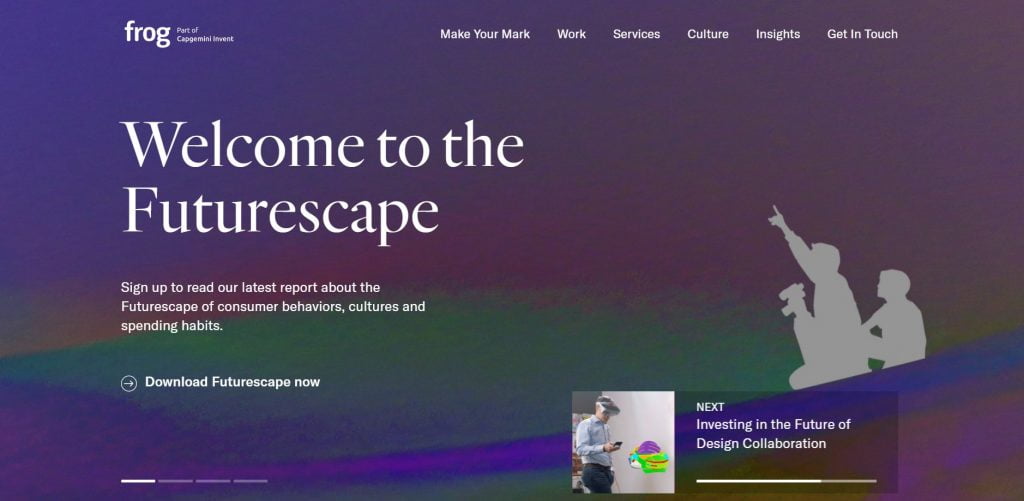
Current service evidence: Frog describes business reinvention and experience work, with its services spanning business, brand, experience, product and technology. Its published portfolio includes consumer-insight systems and digital experiences. This makes it a candidate when the interface is part of a larger service or organizational change, not simply a screen-production backlog.
Who it may suit and what to ask: Ask which research, service design, interface design and engineering roles would be on your project. Define whether the work ends at a strategy or includes a production-ready system. For a large engagement, settle decision rights across stakeholders and ask for a plan to validate the service with users before investing in a full rollout.
2. Clay
Current service evidence: Clay explicitly describes user research, product strategy, branding, UI/UX, usability testing, prototyping and web design and development. Its portfolio presents different kinds of work, including a Slack interactive demo, STC Bank digital banking and a DeFi brand. Those examples should be evaluated by the work Clay actually performed, not treated as interchangeable evidence.
Who it may suit and what to ask: Clay publishes time-and-materials, fixed-fee and retainer engagement models. It may suit a buyer aligning product UX with a brand or marketing website. Ask for separate deliverables and acceptance tests for each. Its homepage describes design systems for enterprise software; confirm who documents components, tests accessibility and supports implementation in your proposal.
3. Humbleteam
Current service evidence: Humbleteam describes product strategy, roadmap decisions, interfaces, branding and marketing design. Its current site presents work across finance, sports, beauty, regulated applications and automotive or HMI experiences. This breadth is useful when the product and its surrounding brand need coordinated design, but each domain claim still requires a relevant walkthrough.
Who it may suit and what to ask: Ask for an example with comparable users and constraints, then trace one design decision from evidence to prototype and implementation. Confirm the named designers, research plan and engineering overlap. If marketing assets are included, keep those separate from application flows so the project does not deliver a strong campaign but an incomplete product experience.
4. Ustwo
Current service evidence: ustwo describes full-stack, cross-functional teams taking ideas from discovery to launch. Its approach also includes behavioral science, play thinking and people-first AI. That positions it as a product studio to investigate when you need design and implementation together, rather than an agency delivering only mockups.
Who it may suit and what to ask: Ask which disciplines are included and how the team will test the behavior the product is meant to change. A game-inspired approach can be useful, but engagement should not replace task completion or user control. Define measurable product outcomes, accessibility checks and release ownership; confirm whether the same team supports the product after launch.
5. Eleken
Current service evidence: Eleken focuses on B2B SaaS interfaces, with redesign, launch, activation and ongoing feature-design use cases. It describes research and audits, redesigned flows, design systems and delivery in Figma or working frontend code through GitHub. It also publishes a subscription model with capacity changes, pauses and continuing product context.
Who it may suit and what to ask: It may suit a SaaS team that needs ongoing design capacity rather than a large one-off consultancy. Ask how much work the assigned designer can cover, how priorities are set and whether frontend delivery fits your component library. Confirm research access, accessibility scope, subscription terms and handover before treating advertised flexibility as a contract commitment.
6. Ramotion
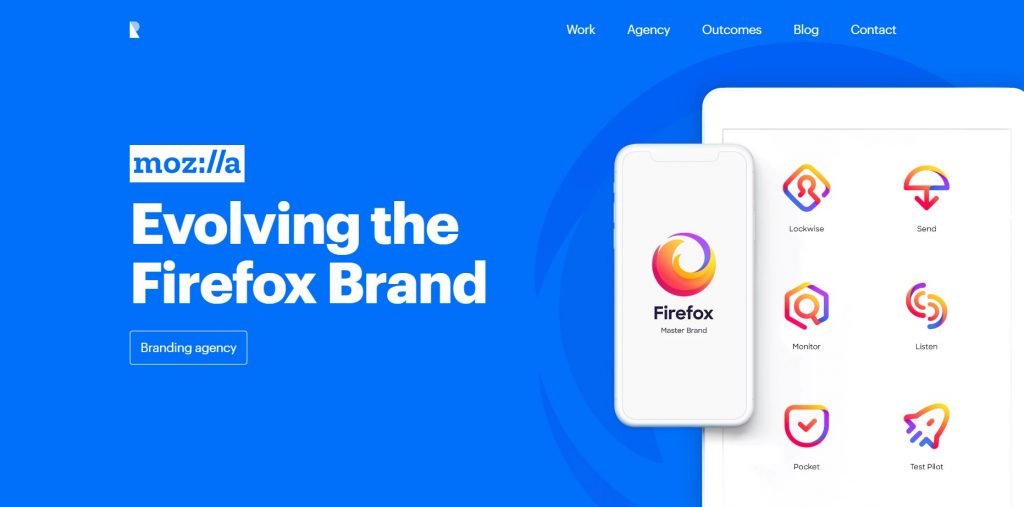
Current service evidence: Ramotion describes itself as a product and brand design agency for marketing and product executives. Its published work includes identity systems, websites, iconography and design-system interaction work. This is useful when you need a consistent brand across a product and its public website, but a brand example alone is not evidence of research on a complex application workflow.
Who it may suit and what to ask: Request comparable product work and identify the exact contribution: strategy, visual identity, UX, interaction or implementation. Separate the brand package from product deliverables and agree on editable files, component specifications and review with engineers. Confirm its current commercial model in a scoped proposal rather than relying on historical descriptions of team size or project exclusivity.
7. IDEO
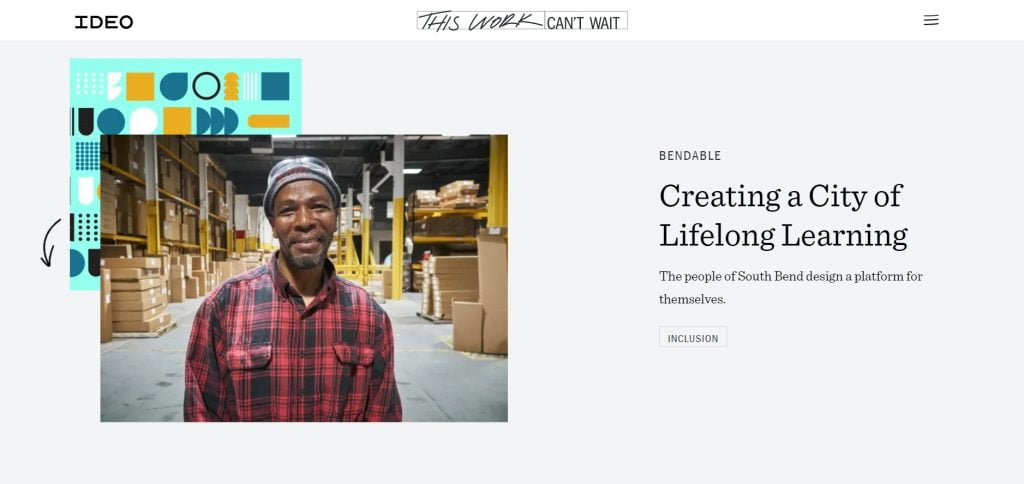
Current service evidence: IDEO emphasizes human-centered design and publishes work in retail experiences, operations, organizational change and product or service innovation. Its current examples include a digital-first store experience and inventory-related operational work. It is a candidate to investigate when the question is what to build or how a service should work, not merely how to style known screens.
Who it may suit and what to ask: Ask what discovery produces and how it becomes a testable product. State whether detailed UI, design systems and engineering are in scope, or whether another team will implement the outcome. A strategy and prototype engagement can be valuable, but it should not be compared directly with a production-interface quote that covers different work.
8. Method
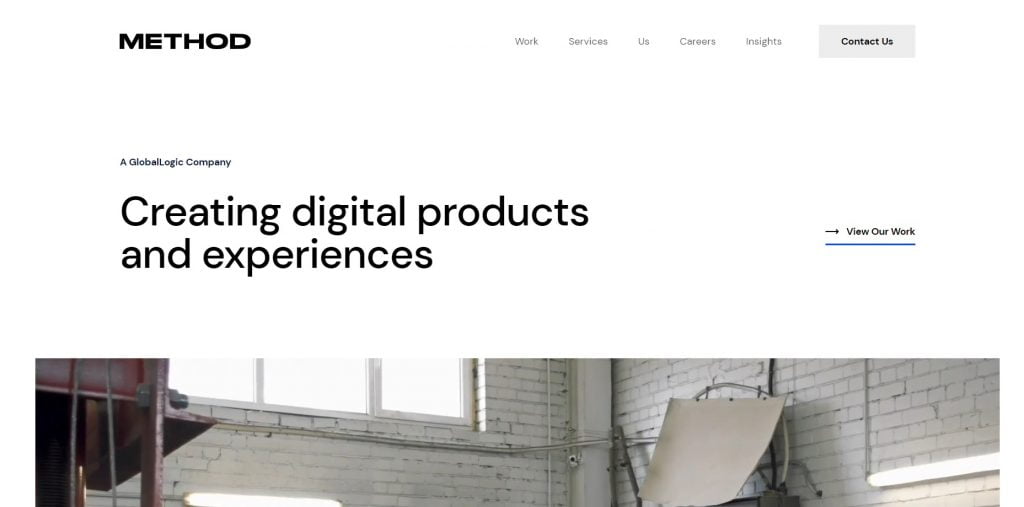
Current service evidence: Method presents strategic design and product development consulting. Its Modern Product approach examines strategy and vision, discovery, culture and delivery. The company identifies itself as part of GlobalLogic and the Hitachi family. That is useful organizational context, but does not establish which engineers or services will be included in your engagement.
Who it may suit and what to ask: It may suit a buyer connecting product direction with changes in how teams deliver. Ask for the transition from assessment to research, design and shipped improvements. Name the owners for each stage and define how progress is measured. Confirm whether implementation is supplied by the proposed Method team, another group or your own engineers.
9. Fantasy
Current service evidence: Fantasy currently presents AI-native digital product design, AI strategy and execution, and product innovation. Its site describes research, design and technology together. This makes it a candidate for a new product or a major experience change where intelligent features affect the interface, rather than a straightforward component-library cleanup.
Who it may suit and what to ask: Ask how the team tests uncertain outputs and designs review, correction and failure states. For an AI feature, define what users can inspect or undo, which actions require confirmation and how you will measure task success. Keep the actual research, UI specification and implementation deliverables separate from broad AI-positioning claims.
10. Designit
Current service evidence: Designit presents projects across airports, payments, diagnostics and consumer technology. Current examples include JFK Terminal 4, European payment players and HemoCue brand work. This range makes it worth investigating where an interface is embedded in a wider customer or employee journey, while matching the exact case-study contribution to your needs.
Who it may suit and what to ask: Ask for a walkthrough of a comparable service or product, not only a logo list. Define research access, prototyping, user testing and the team that would deliver. If multiple departments are involved, settle who makes final decisions. Confirm detailed interface production, design-system ownership and post-launch checking in the scope rather than assuming every service is bundled.
UI/UX agency hiring questions
What is the difference between UI and UX?
UI covers the interface people see and operate. UX covers the wider experience of completing a task, including research, information structure, interaction behavior and testing. A polished interface can still fail users if the task flow is unclear. Ask a firm to show how it handles both.
How much does a UI/UX design firm cost?
There is no universal fee for this shortlist. Ask for an itemized proposal with team roles, research scope, design deliverables, revision limits and engineering support. Compare the same scope across firms. A subscription, fixed project and time-based contract allocate risk differently; check cancellation and handover terms before choosing.
Do I need a local UI/UX company?
Local availability can help with in-person research and workshops, but remote delivery can work when communication, timezone overlap and user access are planned. Verify where the proposed team works today rather than relying on an old office list. Location alone does not establish project fit.
How should I evaluate a portfolio?
Look for comparable users and task complexity. Ask what the firm actually delivered, what changed after testing and which outcomes are measured. Treat client logos and attractive screens as starting points for discussion, not evidence that the same result will happen on your project.
What should be included in handover?
Request editable design files, reusable components, interaction specifications, content guidance and documented accessibility decisions. Confirm who owns these materials and whether engineering review is included. Include post-launch checks if you need the agency to verify that the shipped product matches the design.
What a useful UI/UX design services scope includes
Separate discovery, design production and implementation support. A design-only proposal and a full product-studio proposal can both be appropriate, but they are not like-for-like offers. Specify the work you need before comparing prices.
- Research: participant criteria, recruitment ownership, interview or usability-test plan and how findings will change priorities. Ask what the agency can learn from current analytics before running a new study.
- Interaction design: information structure, core journeys and error, empty, loading and permission states, not only the ideal screen. Include the content users need to make decisions.
- Design system: reusable components, responsive behavior, tokens, naming, documentation and change ownership. Agree which existing components will be reused.
- Accessibility: define the target standard and the checks at design and implementation. The W3C WCAG overview is a primary starting point; attractive mockups alone do not show conformance.
- Engineering and verification: specify review time with developers, answer ownership for implementation questions and a check of the shipped interface against the agreed flows.
Which UI design company is best for a SaaS product?
Shortlist firms with comparable SaaS tasks, not only consumer websites. Ask them to redesign one difficult workflow and explain the evidence behind it: onboarding, a dense dashboard, permissions or a multi-step process. A subscription can fit ongoing design work, while a project can fit a bounded redesign. The best choice depends on your backlog, research access and internal engineering capacity.
How should I compare UX consulting with UI design production?
UX consulting may produce research, a problem definition and a prioritized plan. UI production creates detailed screens, interactions and components. Some firms cover both, but write the boundary into the proposal. If the engagement stops at recommendations, identify who will translate them into usable designs and verify implementation.
How can I tell whether a design agency’s case study is relevant?
Match users, task difficulty, product stage and technical constraints. Ask what the agency delivered, what the client or another partner delivered, and what changed after testing. Provider-reported outcomes are useful discussion leads, not predictions for your project. Request an example of a design that was revised because the first version failed users.
Send a brief that agencies can actually quote
Include the product, user groups, current problems, known evidence, target platforms and launch constraints. Name the internal decision maker and engineering contact. Ask every firm to identify assumptions, excluded work, revision limits, research access needs and the deliverables you will own. This makes a shortlist more useful than a generic ranking and helps avoid a polished design that your team cannot build or maintain.
Evaluate proposals with a practical design scorecard
Use the same questions in each agency conversation. Record evidence rather than assigning stars from a logo list. A missing answer is a follow-up item, not a reason to invent a score.
- Problem understanding: can the team explain the user’s task and the current friction in its own words? Ask what evidence would change its first recommendation.
- Relevant process: does the research plan fit the uncertainty? A known usability defect may need a focused test, while a new service may need broader discovery. Ask why the proposed method is worth the effort.
- Production readiness: inspect responsive layouts, focus states, errors, empty states and component specifications in a sample handover. Confirm whether content design and localization are covered.
- Collaboration: meet the proposed team, confirm timezone overlap and define the review cadence. Ask how conflicting stakeholder requests will be handled without losing the user evidence.
- Commercial clarity: compare included roles, milestones, iteration limits, cancellation terms and editable-file ownership. A retainer needs capacity and prioritization rules; a fixed project needs a change process.
- Outcome measurement: agree a baseline and a product metric such as task completion, activation or support volume. Do not promise a conversion uplift before testing; distinguish design delivery from the business result.
For a small first engagement, choose one representative workflow and require research notes, a tested prototype and engineering review. This can reveal how the team reasons and collaborates before you expand scope. It is a procurement recommendation, not a claim that every firm here offers a trial or small project.







Leave a Reply