



The right digital transformation company depends on the work: Bain, Accenture and business consultancies can help define change; enterprise providers such as Capgemini, Infosys, TCS and DXC address complex systems; software teams build and modernize applications; UX and marketing specialists improve customer journeys. Adobe and Dell are technology providers, so compare their products separately from implementation services. Use the thirty profiles below to create a scope-based shortlist, not a universal ranking.
Reviewed October 3, 2026. These thirty companies and technology providers are research candidates, not a measured ranking. Services were checked against official sites. Pricing, staff counts, addresses and delivery availability should be confirmed in a current proposal.

What is digital transformation?
Digital transformation changes how a business operates and delivers value, using technology alongside process and organizational changes. It can include modernization of systems, data and workflows, but buying a new application is not itself evidence that the business outcome improved.
Choose the right kind of transformation partner
- Strategy and operating model: use when priorities, governance or ways of working need to change before technology is selected.
- Enterprise implementation: use when multiple systems, data migrations and integrations need coordinated delivery.
- Custom software: use when existing products cannot meet a defined workflow or product need.
- Customer experience: use when the problem involves usability, marketing, branding or customer journeys.
- Platform and infrastructure: distinguish the product vendor from the team that configures, integrates and operates the technology.
Compare transformation companies by the work you need
These groups are a buying aid, not exclusive categories. IBM, for example, also has consulting services, while many enterprise providers offer strategy. Compare the specific proposed team and deliverables, not just the supplier’s broadest service list.
| Workstream | Candidates to investigate | Proposal must clarify |
|---|---|---|
| Business strategy and operating model | Bain, Accenture, PwC, Deloitte, Armanino | Roadmap plus named implementation and adoption owners |
| Enterprise applications and operations | Capgemini, Cognizant, Wipro, Infosys, TCS, HCLTech, DXC, Genpact | Migration, service continuity and support responsibilities |
| Custom software and modernization | Appinventiv, Mindinventory, Itransition, ScienceSoft, Vention, Andersen | Deployable releases, integration tests and source ownership |
| Brand, UX and customer engagement | VSA Partners, Fuzzy Math, Dentsu | Research, design, platform integration and engineering boundary |
| Focused platform or AI change | Coastal, CTG, 7T | Platform architecture, bounded use cases and exception handling |
| Business/technology consulting | Baker Tilly, Slalom | Relevant practice, comparable work and implementation scope |
| Products and infrastructure | IBM, Adobe, Dell | Separate licenses/products from services and governance |
30 digital transformation companies and providers to compare
1. IBM
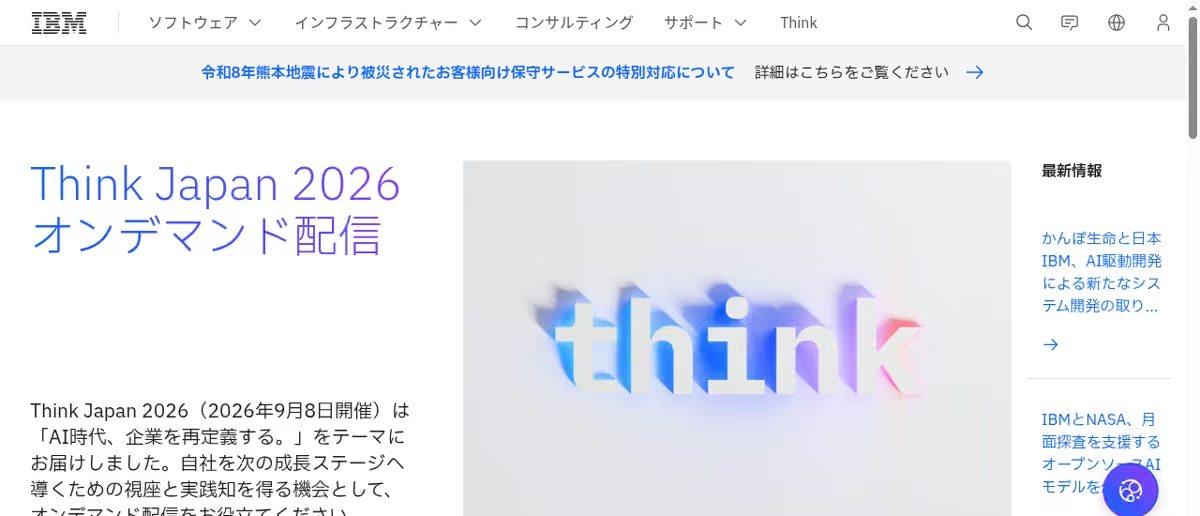
Current scope and published evidence: IBM combines a technology portfolio with IBM Consulting. Its reviewed homepage connects AI, data and business planning, and publishes a Volkswagen Group Services example using IBM Planning Analytics. That is a product-specific customer story, not evidence that the same outcome applies to every transformation engagement.
Fit and questions before hiring: Separate software licensing from consulting, integration and support. Ask which IBM and non-IBM systems the architecture will use, who owns data preparation and whether the proposed team has delivered a comparable planning or operational workflow.
2. Accenture
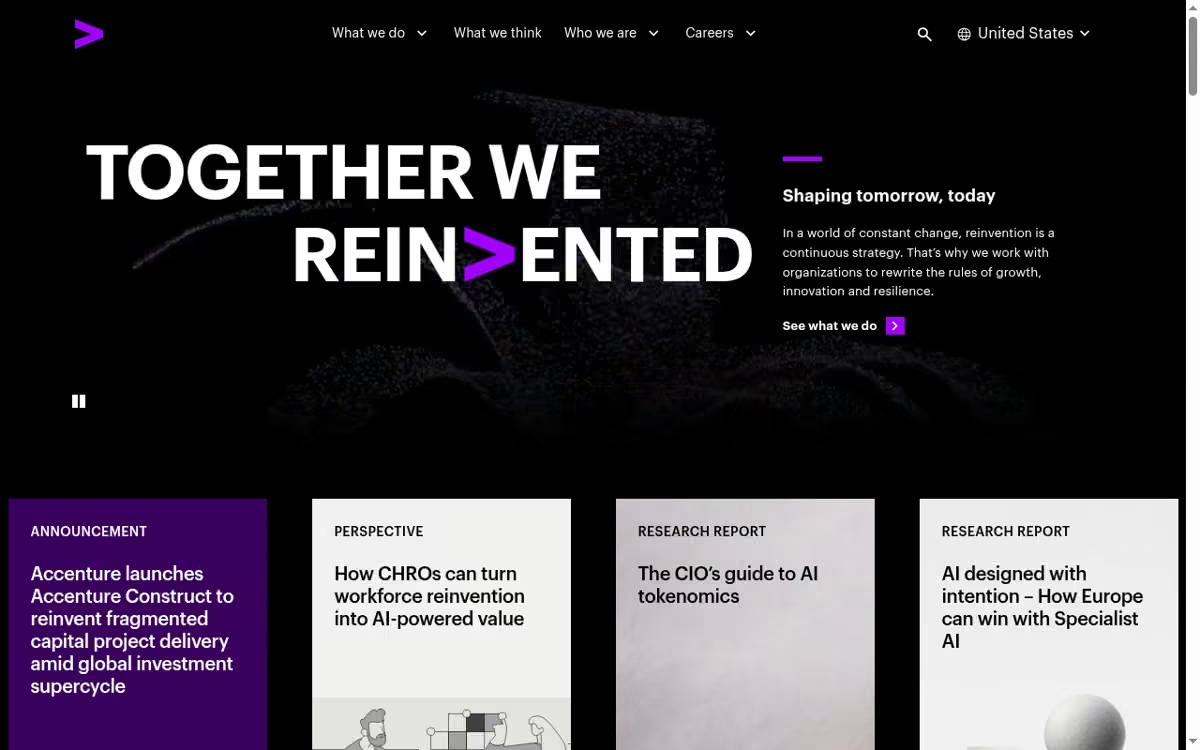
Current scope and published evidence: Accenture presents enterprise reinvention, AI economics and changes to work and HR on its current homepage. Its published material spans strategy and operational execution rather than a single application build. A large program may involve multiple workstreams, so the company-wide offer is only the beginning of qualification.
Fit and questions before hiring: Ask for the named leads for strategy, engineering and adoption. Make each business outcome and technology dependency visible in the proposal. Separate the first implementable release from research, workshops and longer-term operating-model recommendations.
3. Bain & Company
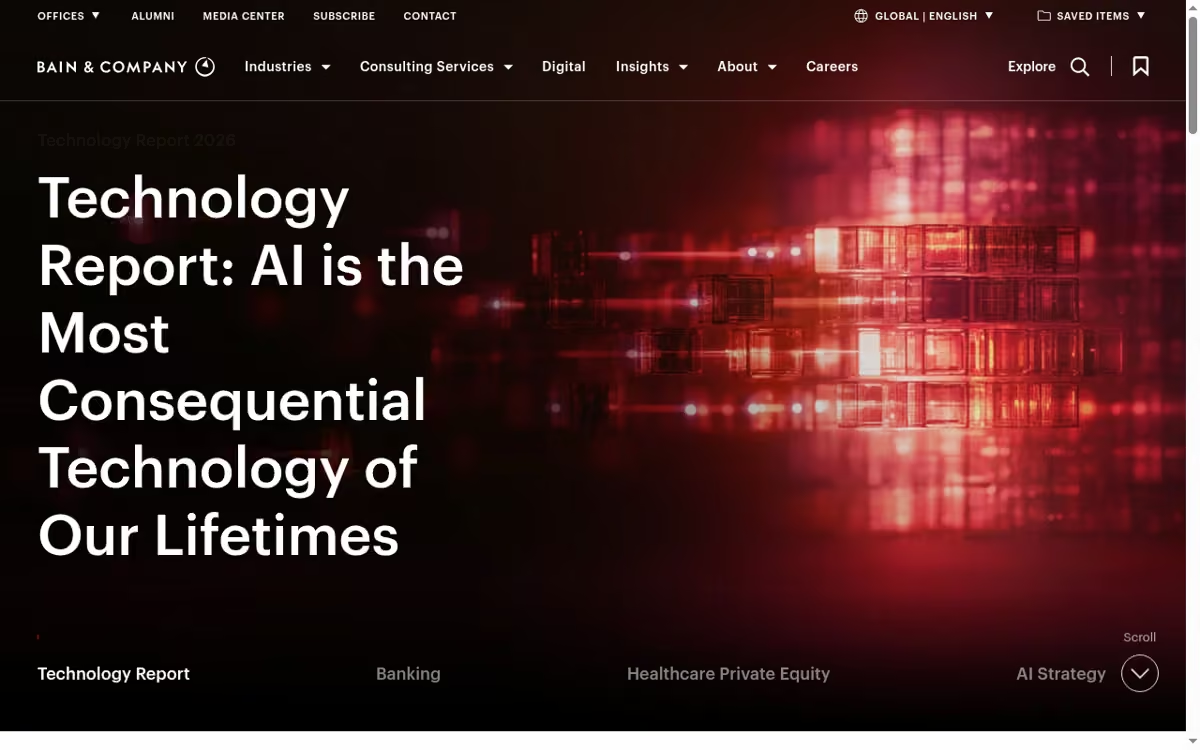
Current scope and published evidence: Bain’s Vector digital practice explicitly connects business strategy with engineering, AI and data science. Its service page covers building technology solutions and turning legacy IT into digital platforms, and describes work with strategic partners. This supports a strategy-to-implementation discussion, rather than assuming Bain only produces a roadmap.
Fit and questions before hiring: Identify which deliverables Bain will build directly and which a partner will deliver. Ask who owns architecture, production deployment and ongoing support. Require the same acceptance criteria across the advisory and implementation portions.
4. Appinventiv
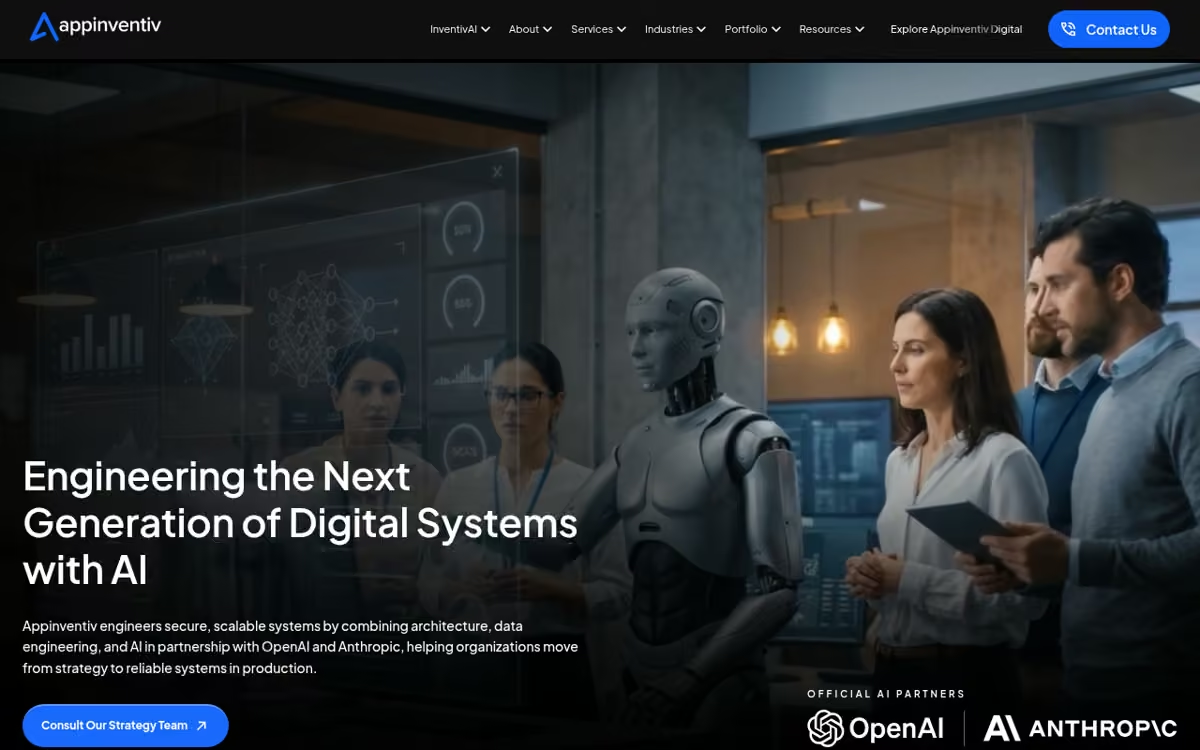
Current scope and published evidence: Appinventiv’s digital-transformation page covers strategy, legacy modernization, application lifecycle work, AI automation, process redesign and UI/UX. Its homepage now emphasizes AI-enabled digital systems. This makes it a software-led candidate where a new product or connected application is central to the change.
Fit and questions before hiring: Ask for the current system assessment and a deployable first release. Review migration sequencing, integration tests and the proposed team’s contribution to a comparable application. Keep business-process decisions with a named owner rather than treating code delivery as the whole transformation.
5. Capgemini
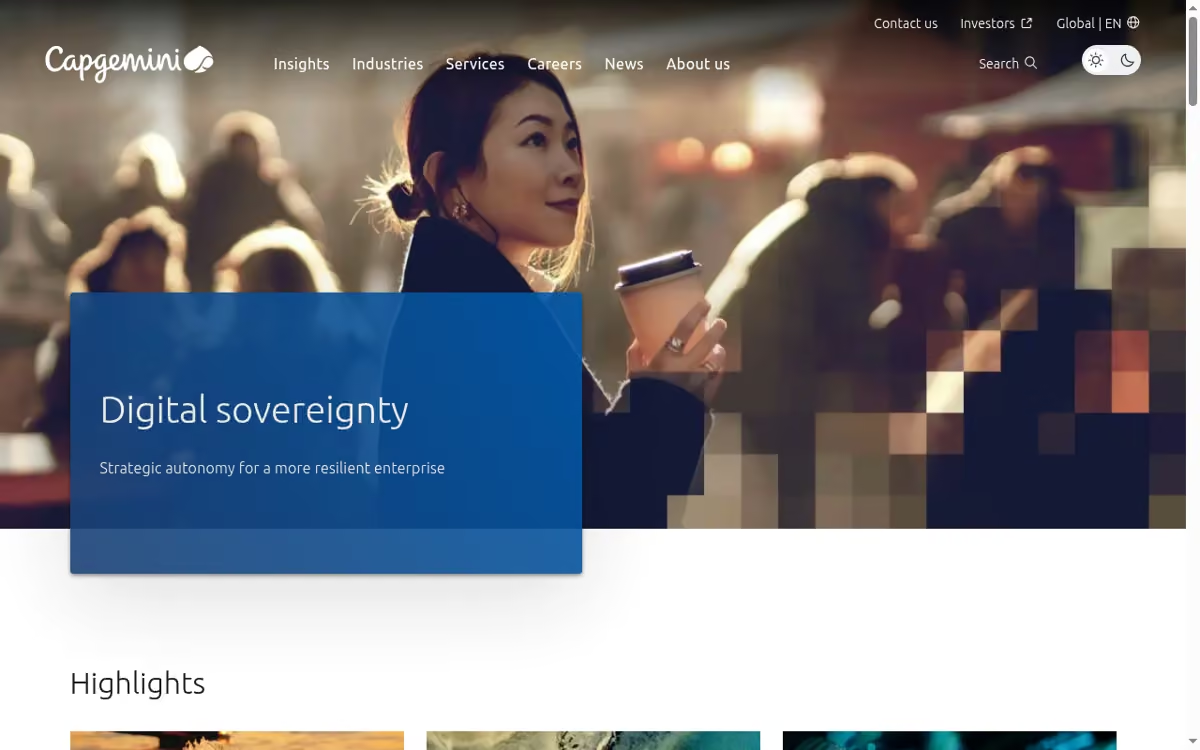
Current scope and published evidence: Capgemini groups its services around Customer First, Intelligent Industry and Enterprise Management, supported by data, cloud, cybersecurity and sustainable development. Those categories distinguish customer-facing change from industrial and core-business systems. Its homepage also publishes client stories, including Henkel Consumer Brands.
Fit and questions before hiring: Choose the relevant service family before requesting a bid. Ask for an industry-specific architecture and a clear boundary between consulting, engineering and managed services. Verify who coordinates applications, data and infrastructure when several teams are involved.
6. PwC
Current scope and published evidence: PwC’s homepage connects AI, cloud, data and workflows with business operations. It publishes a Core Natural Resources managed-services story and describes PwC One as a combination of expertise, client data and AI. Audit and tax services are separate from the transformation work being considered here.
Fit and questions before hiring: Request the relevant consulting or managed-services team, not a general firm introduction. Define operational ownership, service levels and control responsibilities. Ask which work produces a transferable system and which depends on an ongoing service arrangement.
7. Cognizant
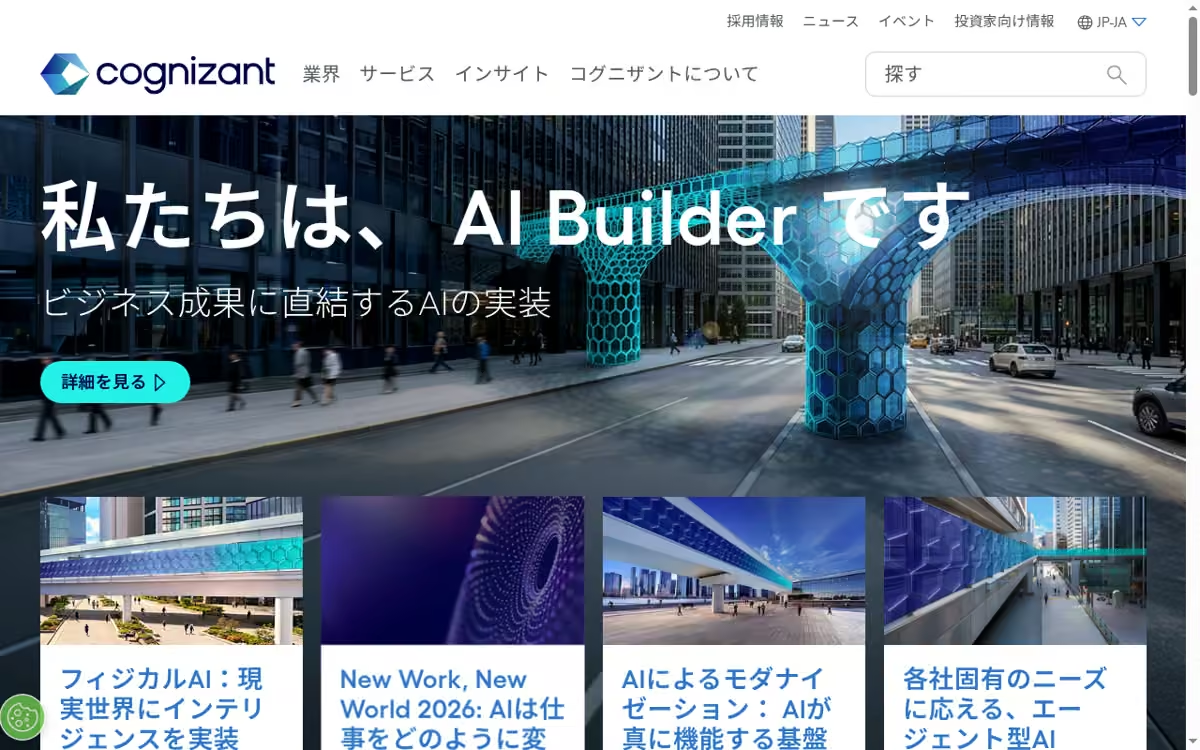
Current scope and published evidence: Cognizant’s current site emphasizes enterprise AI implementation, AI modernization, physical AI and agentic AI. It also organizes its offer around technology modernization, intelligent processes and experience transformation. These are distinct workstreams: an AI demonstration does not by itself establish production migration or adoption capability.
Fit and questions before hiring: Ask what must change in the existing systems before AI can be used reliably. Require evaluation data, integration tests and a human fallback. Qualify the proposed team for your industry and the particular modernization or customer-experience scope.
8. Wipro
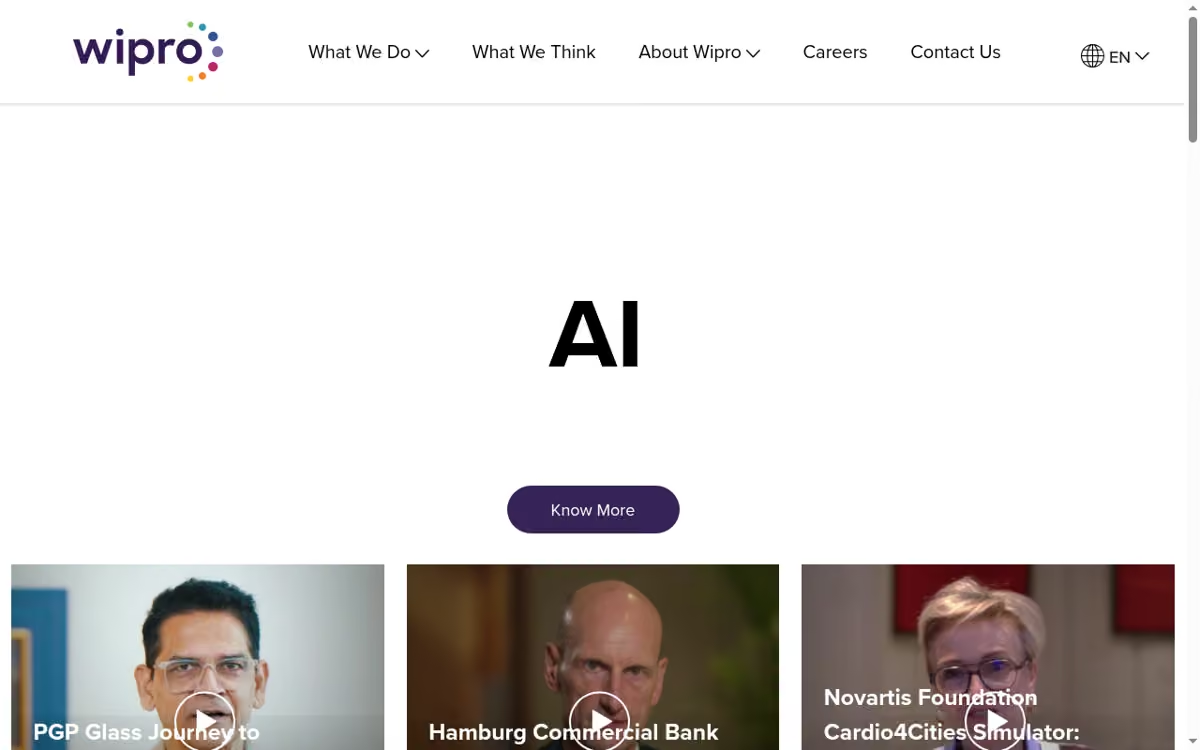
Current scope and published evidence: Wipro describes a consulting-led, AI-powered technology-services approach. Its homepage includes client material involving PGP Glass, Hamburg Commercial Bank and the Novartis Foundation. These published references offer a starting point for a relevant conversation, but the exact delivery role and proposed team still need verification.
Fit and questions before hiring: Ask for a reference matching your systems and operational constraints. Separate business consulting, implementation and ongoing operations in the quote. Require a plan for retained client responsibilities and how the team will transfer knowledge or maintain the result.
9. Infosys
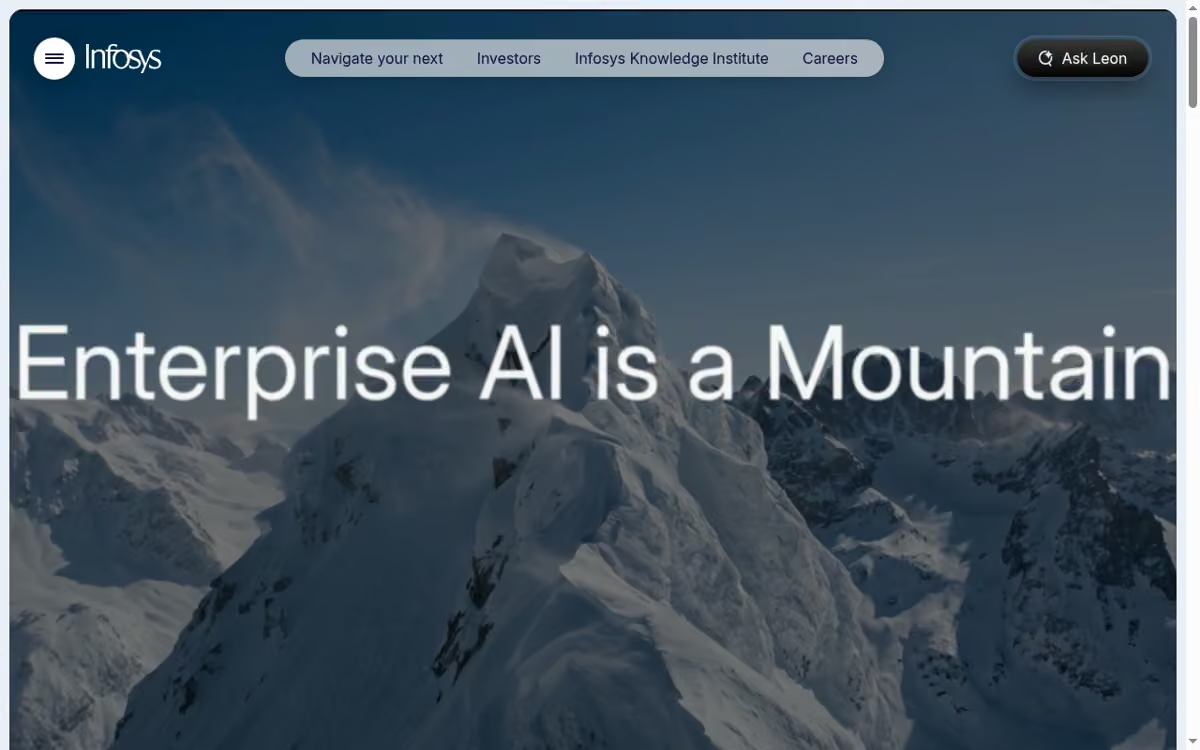
Current scope and published evidence: Infosys presents consulting, IT services and digital transformation, with experience design and analytics-related work on its homepage. It publishes an NN Life Insurance cloud and agile transformation item and discusses digital experiences for the ATP tour. Those examples point to different types of change, not one standard service package.
Fit and questions before hiring: Choose whether the project is cloud migration, delivery-process change or customer experience. Ask for a comparable reference and its delivery boundaries. Define the migration checkpoints and business measures before comparing a broad enterprise proposal with a narrower software bid.
10. Tata Consultancy Services (TCS)
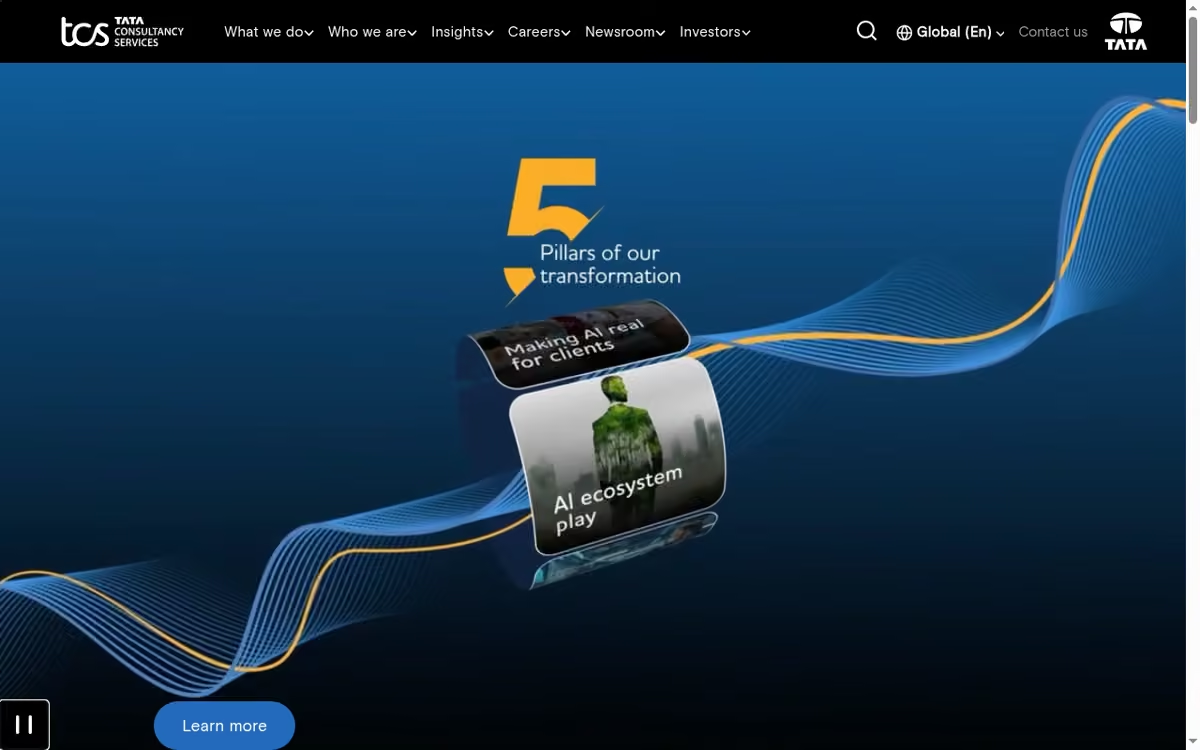
Current scope and published evidence: TCS’s current homepage frames its offer around a continually adapting enterprise and publishes AI, mobility and engineering material. It includes a Porsche AG partnership announcement. A partnership announcement is engagement context, not a completed case study or proof of the particular team available for your project.
Fit and questions before hiring: Ask for completed delivery evidence in the relevant industry. Name the owners for business decisions, architecture and release readiness. Review how the proposed program preserves existing operations while introducing new systems and workflows.
11. HCLTech
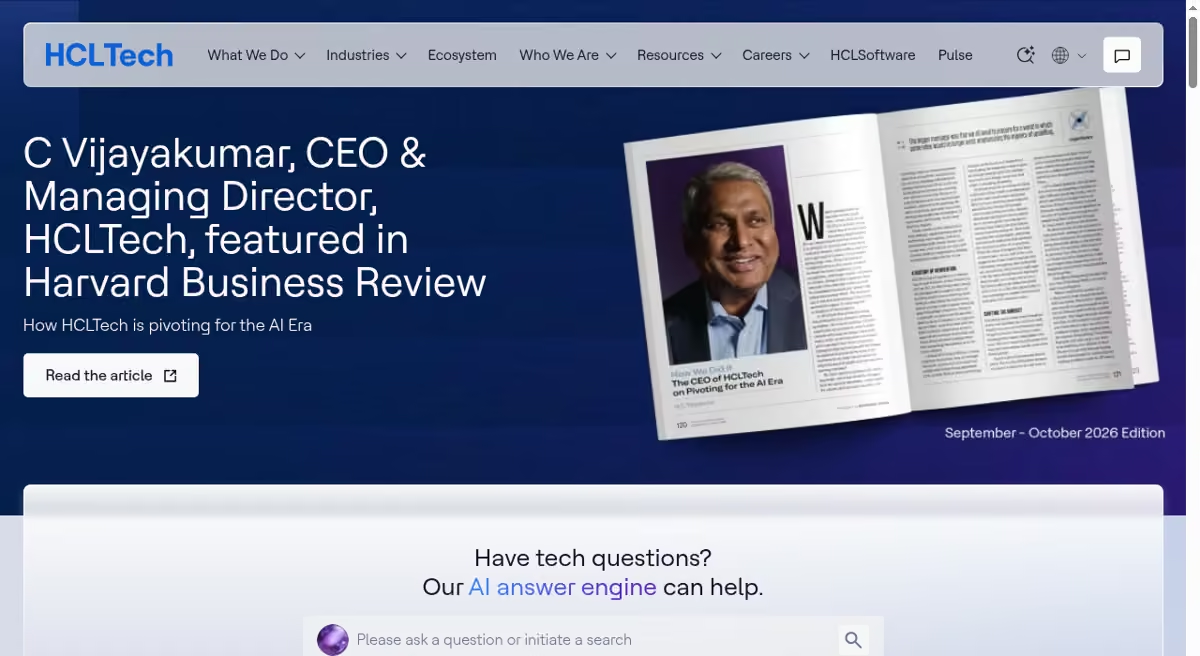
Current scope and published evidence: HCLTech’s site emphasizes AI, cloud and engineering. It publishes a Teradyne customer statement describing engineering work across product platforms, and enterprise-AI material involving Husqvarna. Product engineering and enterprise transformation can require different specialists, even within the same supplier.
Fit and questions before hiring: Identify the engineering, cloud and process-change roles required for your scope. Ask the team to explain its own contribution to a comparable reference. Require a plan for testing, deployment ownership and support rather than relying on company-wide recognition.
12. DXC Technology
Current scope and published evidence: DXC’s reviewed site lists application modernization, managed applications, software development and quality assurance. It also covers enterprise applications including Microsoft, Oracle, Salesforce, SAP and ServiceNow, alongside cloud and infrastructure services. This is a useful candidate when existing enterprise systems must keep running through a modernization program.
Fit and questions before hiring: Separate migration work from the ongoing managed-service contract. Ask about dependency mapping, data reconciliation, rollback and service levels. Identify which applications remain, which are replaced and how ownership changes when the project ends.
13. Deloitte
Current scope and published evidence: Deloitte’s current service navigation separates Engineering, AI & Data, Enterprise Technology & Performance, Customer, Cyber and Human Capital. That breadth can support programs where technology, controls and organizational change intersect. The service family and contracting team matter more than the general Deloitte brand.
Fit and questions before hiring: Request an integrated workstream map with named accountability for technology, data, security and adoption. Ask which deliverables each practice owns and how conflicts are resolved. Specify whether the scope includes implementation or only assessment and recommendations.
14. Genpact, including Rightpoint experience capabilities
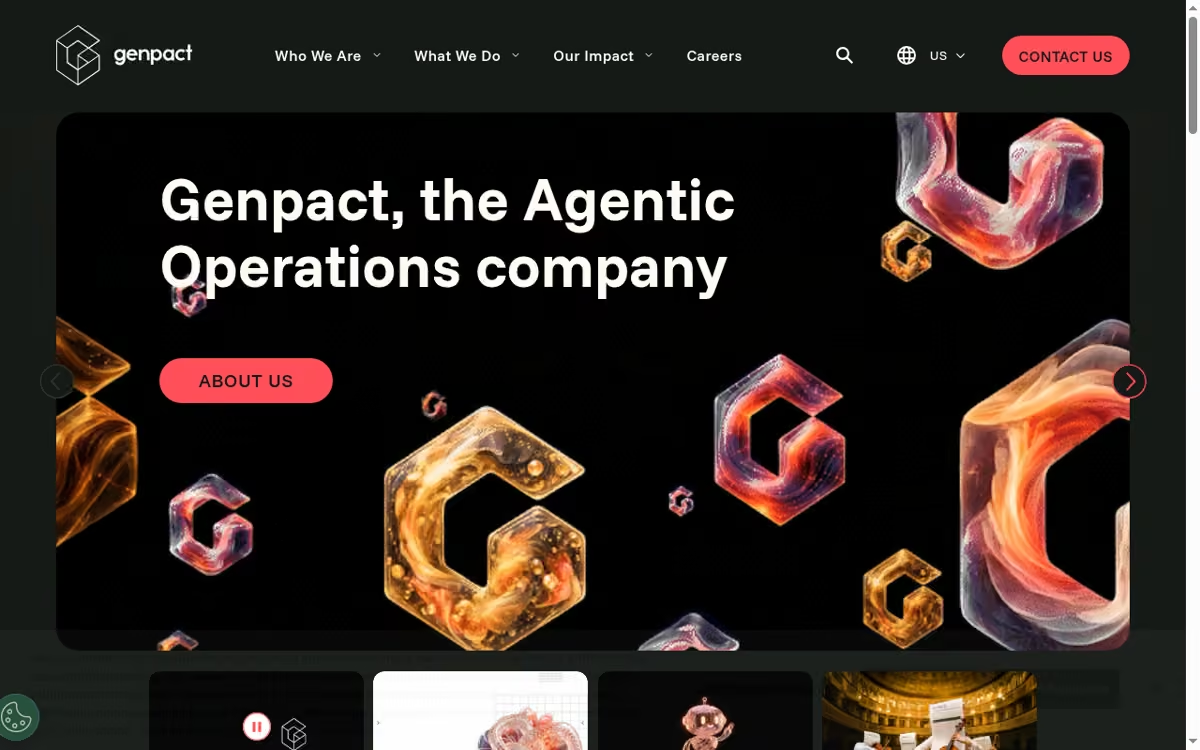
Current scope and published evidence: Genpact’s homepage now describes it as an agentic-operations company and discusses predictive, data-driven operations and customer experiences. This guide includes the Rightpoint experience capabilities within Genpact rather than treating the legacy name as another independent supplier. Process operations and experience design should still be scoped separately.
Fit and questions before hiring: Ask which current practice and legal entity would deliver the work. Separate process redesign, automation, experience design and ongoing operations. Define the baseline, exception handling and business owner before buying an agentic workflow.
15. Mindinventory
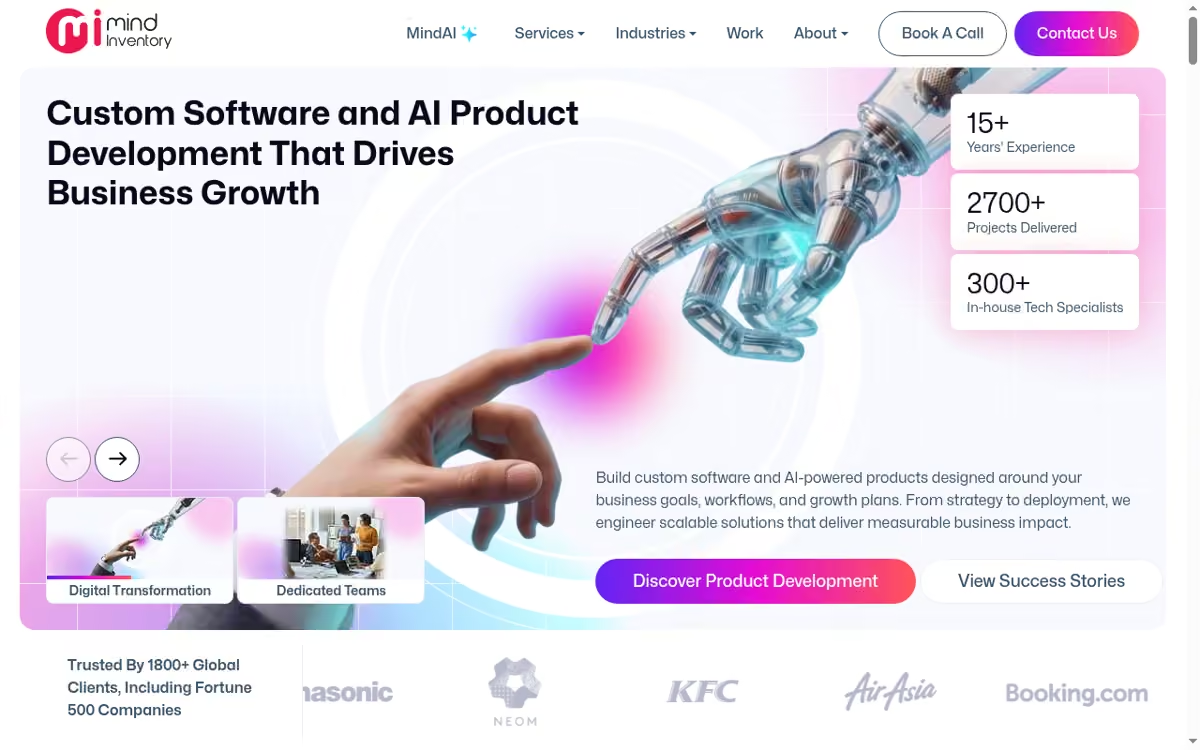
Current scope and published evidence: Mindinventory’s homepage covers custom software and AI product development from strategy to deployment. It also describes engineers, AI specialists, DevOps and UI/UX designers joining a client’s tools and stand-ups. That distinguishes staff capacity from a managed transformation project with end-to-end responsibility.
Fit and questions before hiring: Choose whether you need an integrated delivery team or people joining your existing team. Ask who owns the backlog, architecture and release acceptance. For AI features, require task-level testing and operational controls rather than counting a prototype as completion.
16. VSA Partners
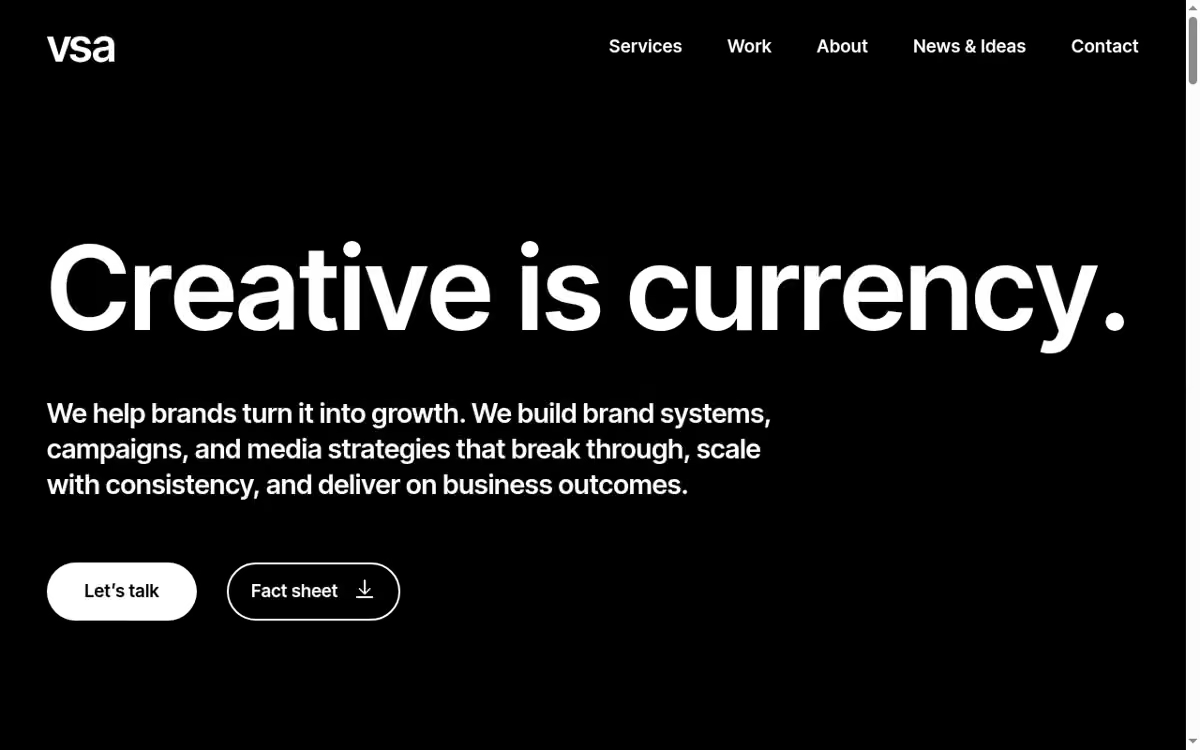
Current scope and published evidence: VSA Partners describes brand systems, campaigns, media strategies and digital websites and experiences. It is a brand and creative-experience candidate, not interchangeable with an ERP implementation or infrastructure migration supplier. Its relevance grows when the transformation depends on how customers understand and use a business.
Fit and questions before hiring: Ask for the boundaries between research, brand strategy, design and implemented digital experience. Identify the engineering partner if needed. Define measurable customer tasks and ownership of editable design assets, content and the finished website.
17. Fuzzy Math
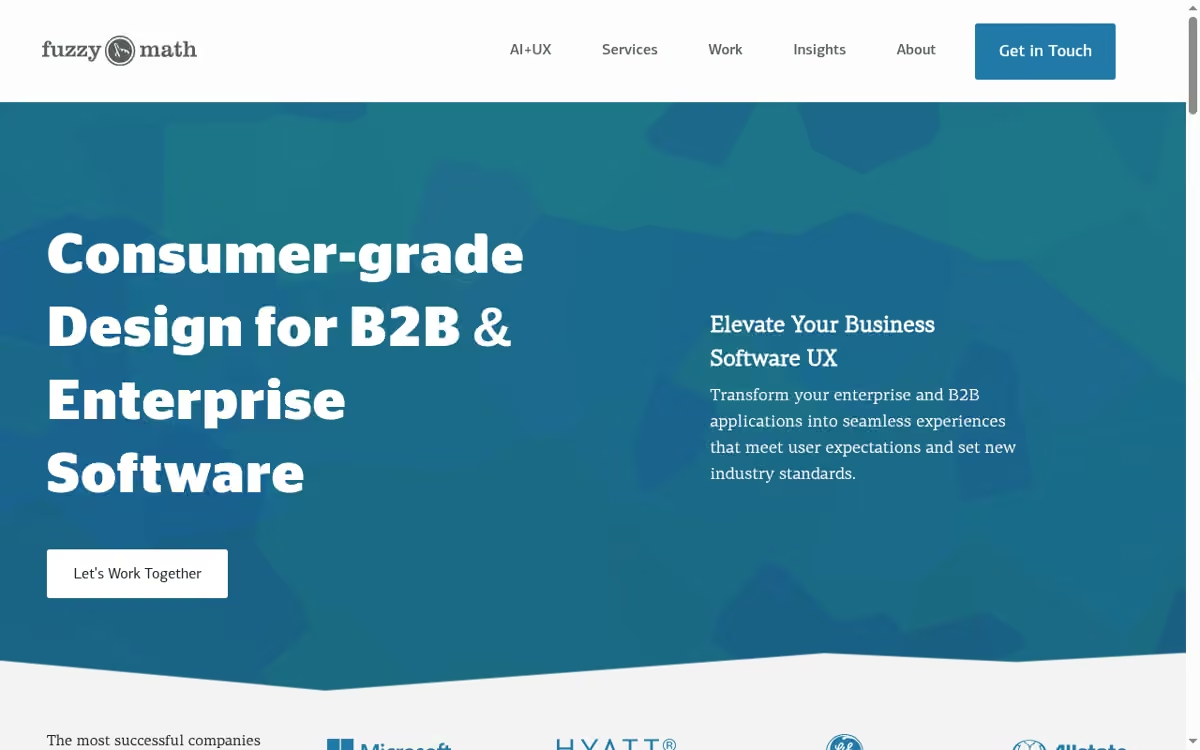
Current scope and published evidence: Fuzzy Math focuses on enterprise and B2B software UX. Its site describes aligning product experience with business goals, redesigning legacy systems and working with client teams through implementation. This is a focused option when adoption problems come from complicated workflows rather than a missing technology platform.
Fit and questions before hiring: Have the team test representative user tasks and explain its research method. Specify design-system, prototype and implementation-review deliverables. Retain a named engineering owner and verify that the designed workflow can be delivered in the existing product.
18. Dentsu
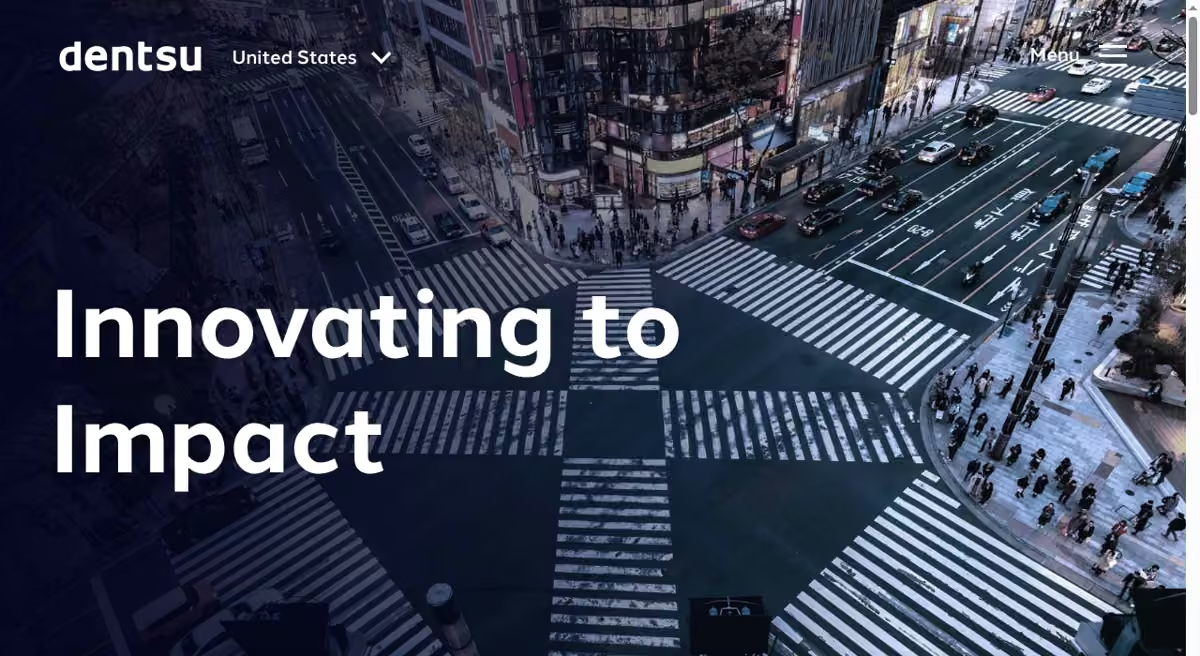
Current scope and published evidence: Dentsu describes experience transformation across Media, CXM and Creative, including brands such as Merkle, Dentsu Creative and iProspect. Its homepage publishes campaign and experience case material. That positions it around customer engagement and marketing change rather than as a general replacement for core enterprise IT.
Fit and questions before hiring: Ask which agency or practice leads the engagement and which systems it implements. Define customer-data permissions, measurement ownership and handover. Compare campaign work, experience design and platform integration as separate deliverables.
19. Baker Tilly US, LLP
Current scope and published evidence: Baker Tilly’s current site presents advisory, tax and assurance services with sector-specific operational consulting. Its manufacturing material discusses risk and supply-chain efficiency, while other industry pages cover construction and energy. The firm’s general advisory breadth does not establish every software implementation capability.
Fit and questions before hiring: Request the specific technology and business-advisory team for your problem. Ask which systems it implements directly, how it uses partners and what operational improvements are measured. Keep accounting and assurance work distinct from a transformation build.
20. Armanino
Current scope and published evidence: Armanino’s transformation page describes its DataVue methodology: review data, processes and technology, identify gaps, create a roadmap and follow phased plans. It publishes a Fender strategy and growth example. This is evidence of a business-led approach, not a guarantee that every application or integration is included.
Fit and questions before hiring: Ask how the assessment turns into implementation and who owns each phase. Require specific data-quality and integration decisions in the roadmap. Separate strategic growth recommendations from systems work, training and the ongoing services needed to maintain change.
21. 7T
Current scope and published evidence: 7T’s current offer centers on custom agentic AI integrated into existing systems and workflows. Its page describes use-case identification, discovery, deployment and longer-term optimization, and includes client testimony about examining business processes. This is a more specific service shape than a general digital-transformation label.
Fit and questions before hiring: Choose one bounded process and define how exceptions reach a person. Ask for evaluation, access controls and monitoring before deployment. Confirm the non-AI baseline and the systems that must be integrated so the result is useful beyond a demonstration.
22. Itransition
Current scope and published evidence: Itransition lists digital transformation, data engineering, AI and enterprise systems. Its homepage describes Dynamics 365, Odoo and Salesforce implementation and support, as well as ERP delivery. This makes platform selection and integration scope important parts of the comparison.
Fit and questions before hiring: Ask which platform meets the requirements and why custom work is necessary. Separate configuration, development, migration and recurring licenses. Require reconciled sample data and a working cross-system process before approving wider rollout.
23. ScienceSoft
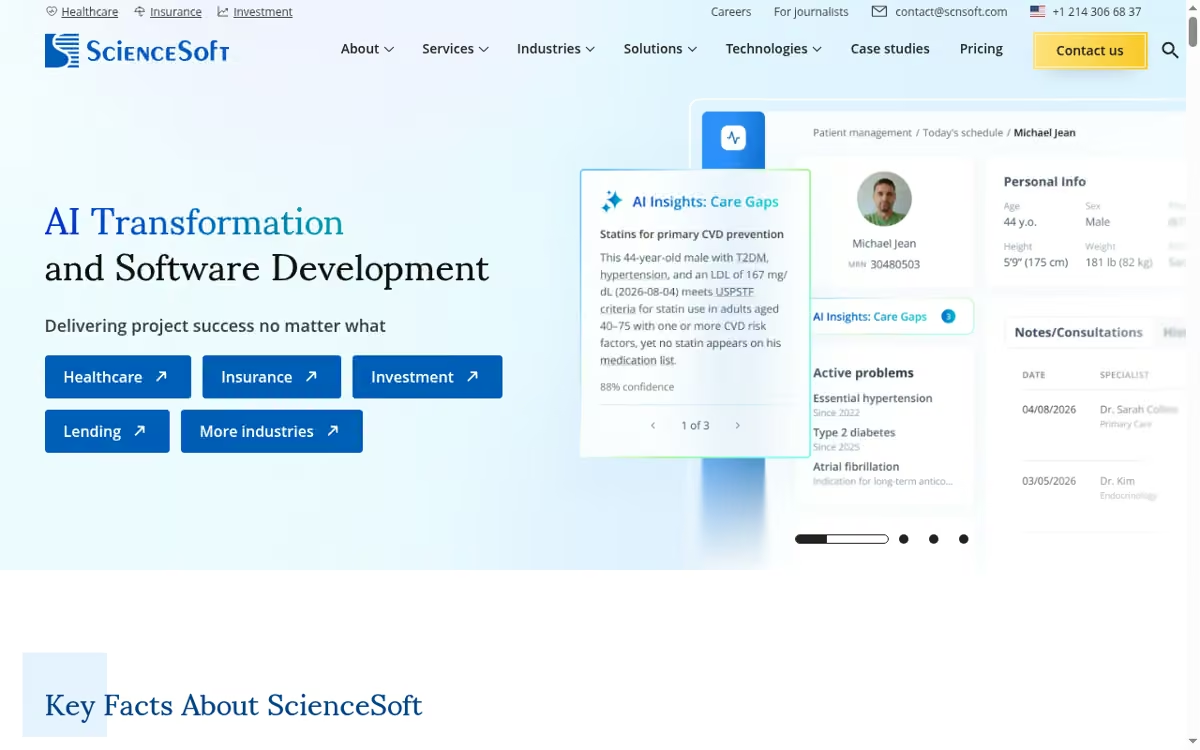
Current scope and published evidence: ScienceSoft describes AI-led process redesign, custom AI development, integration and expansion from individual functions to enterprise operations. Its site also covers IT strategy, software delivery and QA/testing. A buyer can therefore investigate an implementation-and-testing scope rather than assuming the engagement ends with an AI assessment.
Fit and questions before hiring: Require a process baseline and a tested first release. Ask whether the same contract covers integration testing, data migration and post-launch support. For sensitive records, identify access controls and the data required by each system before development begins.
24. Coastal Cloud
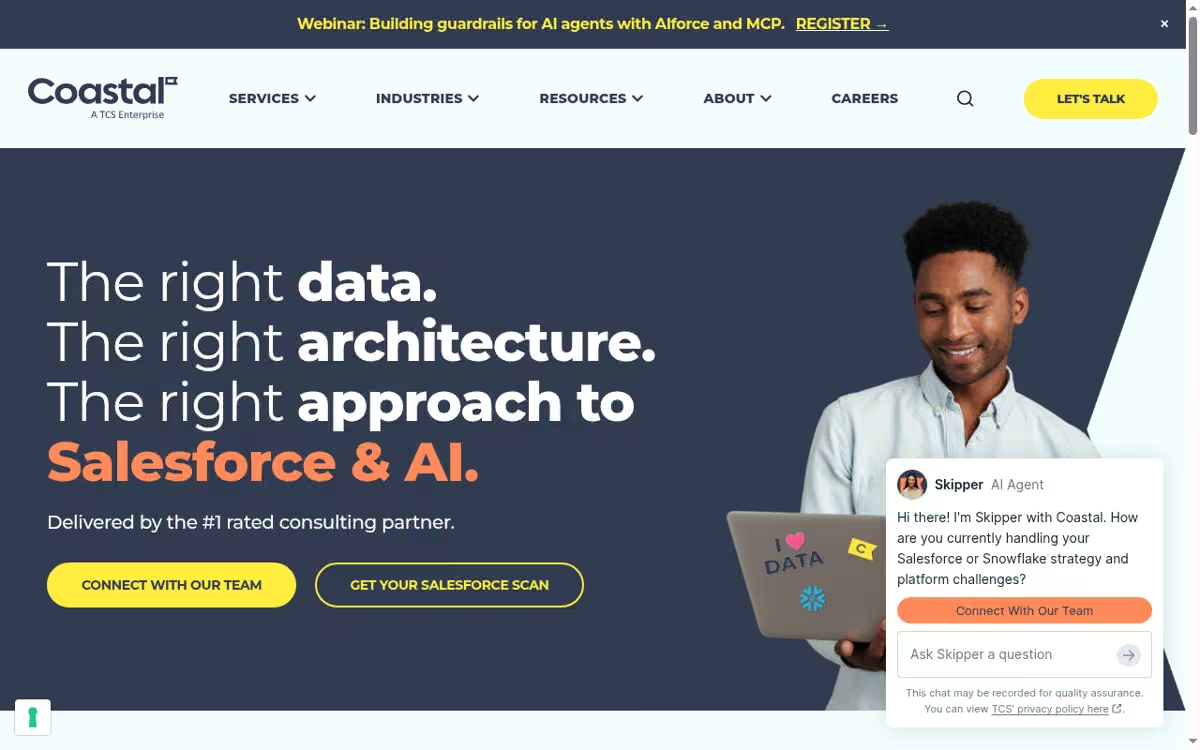
Current scope and published evidence: Coastal focuses on Salesforce, data and AI, and offers a Salesforce diagnostic entry point. Its homepage describes automation-first work and experience in the Salesforce environment. That platform specialization is useful when Salesforce is central, but it is different from generic cloud infrastructure consulting.
Fit and questions before hiring: Ask for an architecture covering Salesforce, external data and existing systems. Define which automations run on the platform and which need other services. Review migration quality, administrator training and ongoing ownership of configuration and custom code.
25. Slalom

Current scope and published evidence: Slalom describes business consulting and professional services from strategy to implementation, with current emphasis on AI. Its homepage publishes Renown Health patient-access work and a Snowflake data-mart example for Multnomah County. These are concrete reference directions, not guarantees of the same results elsewhere.
Fit and questions before hiring: Use the closest reference to qualify the proposed local and technical team. Define the mix of strategy, data engineering, product delivery and change work. Ask who owns adoption and measurement once the new service is live.
26. Vention
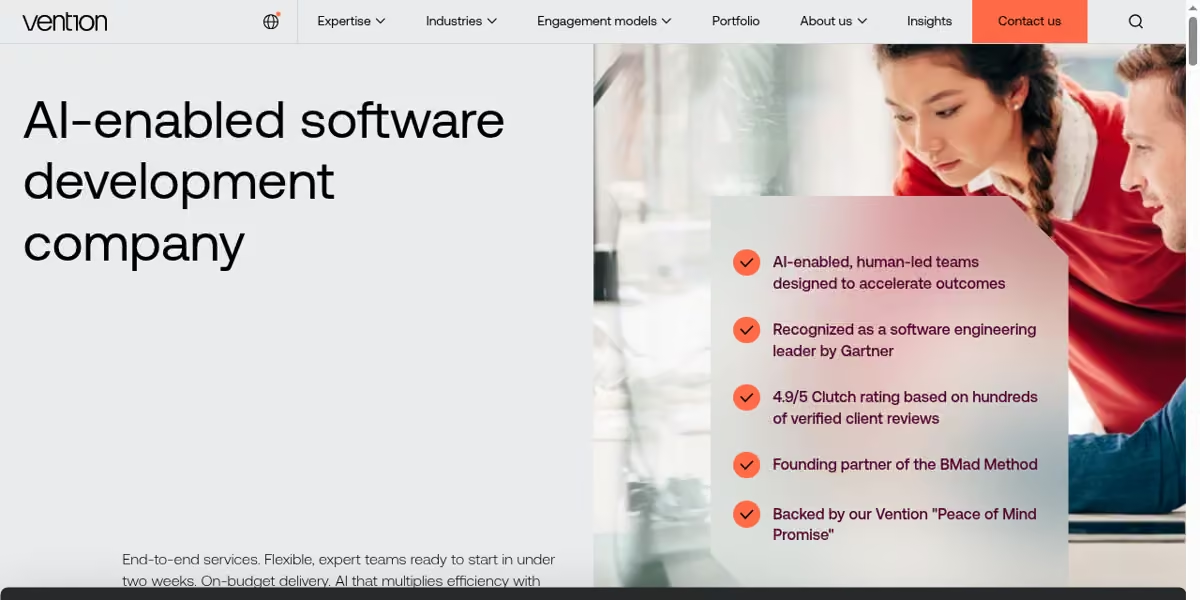
Current scope and published evidence: Vention at ventionteams.com is the software-engineering company, not the manufacturing-automation business at vention.io. Its site lists cloud consulting, DevOps, data engineering and software delivery, with flexible engagement models. An engineering team can supply delivery capacity without automatically owning business-process decisions.
Fit and questions before hiring: Choose the engagement model and name the client product and architecture owners. Require a plan for legacy-system interfaces, repository access and handover. Compare capacity-based work with a managed project using the same acceptance and support requirements.
27. CTG (former Eleviant site)
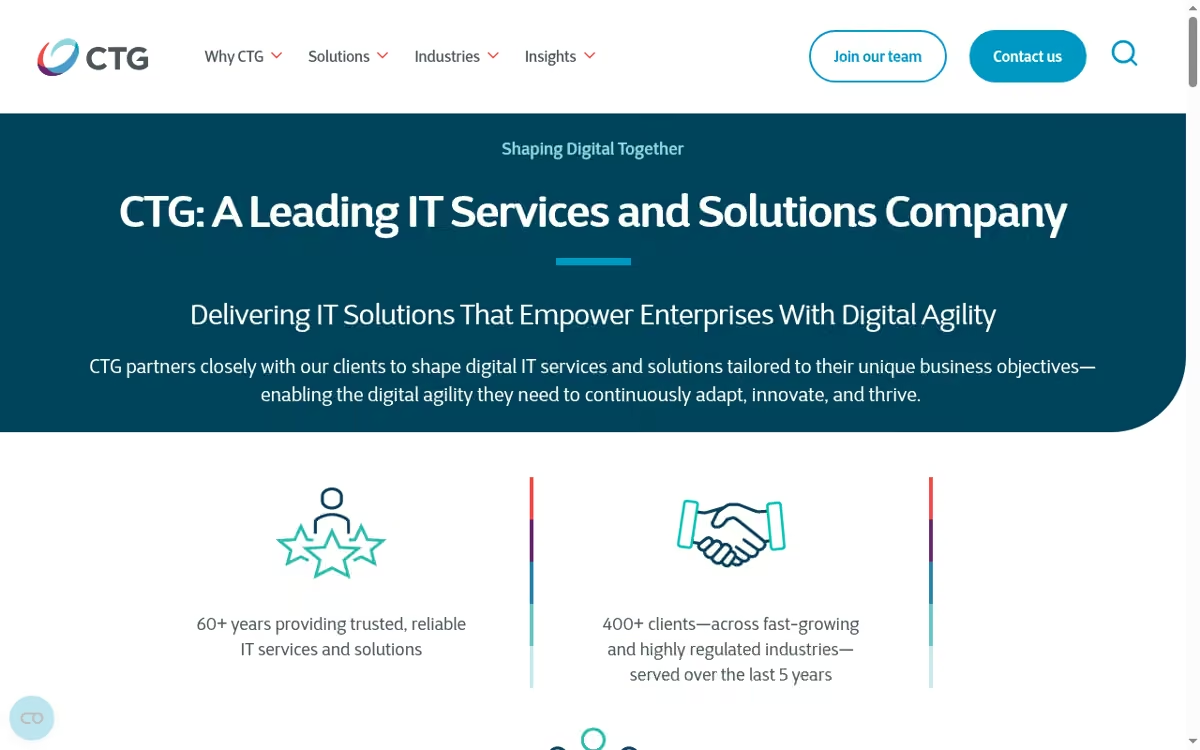
Current scope and published evidence: The former Eleviant link currently resolves to CTG, which identifies itself as part of the Cegeka Group. CTG’s site describes IT services and solutions, including Microsoft Dynamics ERP/CRM and Power Platform. Treat this as a current supplier identity to verify, not an additional standalone Eleviant bid.
Fit and questions before hiring: Ask for the current legal entity, delivery practice and support team. Confirm whether existing Eleviant relationships or offerings remain relevant to the proposal. Define Microsoft licensing, configuration, integration and managed services separately.
28. Andersen (software development)
Current scope and published evidence: Andersen at andersenlab.com describes process redesign, legacy modernization, digital platforms, data/AI and cloud foundations. Its transformation page presents a sequence from assessment to implementation and ongoing improvement. This is the software provider, not a similarly named business on another domain.
Fit and questions before hiring: Ask for a modernization plan tied to specific system constraints. Require the team to explain what is retained, rebuilt and retired. Test data quality and critical integrations in an early phase before expanding the program across the business.
29. Adobe Inc.
Current scope and published evidence: Adobe’s current homepage presents creative, document and marketing software, including Creative Cloud and business solutions. It is a technology-platform candidate in this guide rather than a like-for-like consulting agency. Buying a product does not settle responsibility for workflow change, integrations or adoption.
Fit and questions before hiring: Define the business use case before selecting licenses. Ask who will configure, integrate and govern the platform and where customer or document data lives. Compare subscriptions, implementation services and ongoing administration as separate costs.
30. Dell Technologies Inc.
Current scope and published evidence: Dell’s linked technology site currently leads to its product and technology-solutions presence. The reviewed homepage includes computers and business IT, while Dell Premier describes organizational purchasing and IT management. Infrastructure procurement is one part of transformation, not a substitute for process redesign or application delivery.
Fit and questions before hiring: Specify hardware, infrastructure, deployment and support needs separately. Confirm the regional product availability, service terms and implementation team in a current proposal. Name the provider responsible for applications, migration and employee adoption if Dell’s scope does not include them.
How to hire a digital transformation company
Start with a business problem and an observable baseline. A slow manual approval workflow, fragmented customer data or a legacy system that blocks new work is more useful than a brief that simply says “use AI.” Define what successful change looks like and who is responsible for the result.
- Document the current state. Inventory systems, data, integrations, users and constraints. Identify what must keep working during the transition.
- Set a narrow first outcome. Choose one measurable improvement before expanding the program. Agree on the baseline, measurement period and acceptance criteria.
- Compare similar scopes. Ask suppliers to separate discovery, architecture, engineering, migration, training and support. Include licenses and third-party services.
- Verify delivery evidence. Request relevant references and a demonstration of the provider’s actual contribution. A logo list or partnership badge is not a substitute for comparable work.
- Define governance. Name the people who approve scope changes, make technical decisions and own the business process. Agree on escalation and reporting.
- Test before rollout. Include security review, integration testing, data checks, user testing and a rollback plan where appropriate.
- Plan handover. Require documentation, access ownership, editable assets and knowledge transfer. Avoid dependence on a single external team.
Benefits and risks to evaluate
A well-scoped program can reduce manual work, improve the customer experience and make information easier to use. None of those outcomes is guaranteed by hiring a large provider or buying a popular platform. Poor data, weak adoption, missing process owners and uncontrolled scope can undermine the result.
Compare expected benefits with implementation, licensing, internal staff time and ongoing operating costs. Include what you must stop doing as well as what you will add. A cheaper initial quote can be expensive if integrations, training or support are left out.
Digital transformation services FAQ
Which services should a proposal include?
Depending on the problem, it may include assessment, strategy, architecture, software engineering, application integration, data migration, cybersecurity review, change management and support. Specify which are required. Not every firm in this guide delivers every service.
How much does digital transformation cost?
There is no useful universal price for this mix of projects. Obtain a current scope-based proposal. Separate professional services from software subscriptions, infrastructure, data work, training and maintenance. The old hourly-rate and minimum-project figures have been removed because they were not verified current quotes.
Which company is best for a small or mid-size business?
Compare relevant project scale, implementation skills, communication and support commitments. A large global brand is not automatically the best fit, and a smaller team is not automatically cheaper or faster. Request the named team and a practical first phase.
How long does a transformation program take?
The timeline depends on systems, scope, data and organizational readiness. Ask for milestones, dependencies and acceptance criteria rather than a universal duration. A pilot can test assumptions before a wider rollout.
Can a platform vendor replace a consulting company?
Not necessarily. A vendor may provide products, support or professional services, while a consulting or engineering team handles process changes and implementation. Establish who is responsible for configuration, integration, testing and adoption.
How should we evaluate AI in a transformation plan?
Define the task and a testable outcome. Ask about data rights, privacy, evaluation, human review and operating costs. Compare the AI approach with a simpler process or software fix before adding it to a critical workflow.
What changed in this guide?
The software-company links for Vention and Andersen were corrected, Armanino and 7T links updated, and DXC linked to its current site. Rightpoint’s integration into Genpact and the CTG branding on Eleviant’s former site are reflected. Appinventiv, previously detailed but absent from the summary list, is now included consistently. Outdated staffing figures, unverified rates and a historical spending forecast were removed.
For related planning, see our enterprise software development guide and digital customer experience guide.
A practical buyer guide: from assessment to an adopted system
Write a first-phase brief that can be accepted or rejected
Pick one process, name its owner and document the current result. For an approval workflow, measure elapsed time and exceptions. For customer service, define the task customers must complete. For a data project, specify the decision the data must support. A first phase should produce both a working result and evidence that it improves the chosen process.
List the systems, data sources, user groups and operating constraints. Explain what cannot stop during migration. Ask every finalist to respond to the same brief, with assumptions and exclusions visible. The comparison becomes useful when a strategy proposal, an engineering bid and a platform subscription are no longer mistaken for the same purchase.
Use gates between discovery, build and rollout
At the end of discovery, require an agreed architecture, prioritized scope and delivery risks. Before a production release, test representative user tasks, cross-system behavior, migrated data and access controls. The business owner should accept the outcome alongside the technical owner. A slide deck, configured sandbox or AI demo is not the same as an adopted production workflow.
Roll out in a bounded group when possible. Agree on rollback or recovery steps and who can pause the release. Record unresolved defects, the support route and the measurement period. Widen deployment only after the team can explain the results and the people using the system can perform their work.
Compare total ownership cost, not just consulting fees
Request separate lines for discovery, engineering, migration, licenses, cloud consumption, data services, training and support. Include the internal team’s required time. Ask which costs increase with users, transactions or AI usage. Do not treat an attractive implementation quote as the whole budget if the platform or operating contract remains unspecified.
Define access to repositories, documentation, editable designs and configuration. Ask what can be transferred to another supplier and what remains a licensed dependency. For managed services, agree on service levels and exit assistance. These choices matter as much as the initial delivery schedule.
Further questions about digital transformation providers
Should we hire one provider for everything?
One accountable provider can simplify coordination, but only if its proposal names the work and partners it will manage. Multiple specialists can fit a program with strong internal leadership. In either model, assign one owner for cross-system decisions and acceptance so failures cannot fall between contracts.
What should a transformation pilot prove?
It should prove a useful business task with representative data and users, including failure cases and integration behavior. Define a baseline and acceptance measures before starting. A pilot that only shows a polished interface or a model answering selected prompts cannot establish operational readiness.
How do we avoid buying AI for a problem that needs a simpler fix?
Compare the AI approach with process redesign, standard automation or a platform feature. Ask what uncertainty AI handles that a simpler method cannot. Require evaluation, data rights, human review and operating-cost estimates. Keep high-impact decisions under clear accountability rather than assuming automation removes the need for an owner.
Does a homepage screenshot prove a provider is qualified?
No. It helps identify the current company and site. Qualification still requires relevant delivery evidence, a proposed team, a clear scope and contractual responsibilities. Regional homepage captures can differ from the global site; confirm the delivery location and contracting entity directly.







Leave a Reply