





Choose a VR game development company by its playable work, target-headset experience, game-production team and testing process. This updated shortlist separates entertainment and game-production evidence from broader business XR services, so you can ask the right questions before hiring.
Reviewed October 3, 2026. The earlier guide listed fourteen providers. SetApps has been removed because its old linked domain now shows an unrelated freight marketplace. The remaining thirteen are research candidates, not a measured ranking or a guarantee of game-development availability.
What do VR game developers build?
A VR game combines a real-time application, interaction design, 3D content and a headset-specific release pipeline. AR games overlay digital content on a view of the real world; mixed-reality games combine spatial interaction with the surrounding environment. These are related capabilities, but experience in one does not prove experience in all.
How to compare VR game development services
- Platforms: specify standalone headsets, PC VR or another target. Older Oculus Rift-related search terms should lead to a current hardware discussion, not an assumption that legacy devices are right for a new release.
- Playable evidence: ask to try a comparable build and establish what the team created.
- Production scope: separate gameplay engineering, art, animation, audio, UI, multiplayer and backend.
- Comfort and performance: test locomotion, frame stability, input and accessibility on actual devices.
- Ownership: define editable assets, engine licenses, repositories and release accounts.
- Support: include testing, release checks and maintenance after launch.
For related immersive projects, compare our Web3 game development guide and VR in ecommerce examples.
Compare VR companies by the work you need
Start with the project type, then verify the people and playable work. These are service and portfolio distinctions, not scored rankings. A company homepage image is identification, not proof of game quality.
| Company | Scope to investigate | Evidence and procurement check |
|---|---|---|
| Groove Jones | Location-based multiplayer and branded entertainment | Named multiplayer/attraction references |
| Lucid Reality Labs | Enterprise simulation and serious-game qualification | Training/simulation scope; entertainment unconfirmed |
| 4Experience | Spatial software for business and training | Business XR/training; game scope to qualify |
| ScienceSoft | Custom VR application delivery | VR service page; game-production roles to confirm |
| Saritasa | VR connected to custom software | Software plus VR; connected-system ownership |
| Onix | Broad software team requiring immersive proof | General software scope; immersive team to verify |
| WE/AR Studio | Business XR with explicit contract routes | Fixed project, dedicated team or time/effort |
| Vention (formerly iTechArt) | AR/VR engineering including stated custom games | Custom VR games stated; named team to qualify |
| Innowise | Software capacity with immersive qualification | Staff augmentation or dedicated team |
| Monkhub | Games and immersive services requiring demo evidence | Games and AR/VR services; working demo needed |
| Apzumi | Healthcare product partner, not verified entertainment studio | Healthcare scope; gaming claim unverified |
| Bornfight | Digital-business development, current VR scope unconfirmed | Digital business work; VR service unconfirmed |
| SmartTek (formerly AVRspot) | VR simulation and application services under SmartTek | Training portfolio; consumer-game scope to confirm |
13 VR and immersive-development companies to investigate
1. Groove Jones

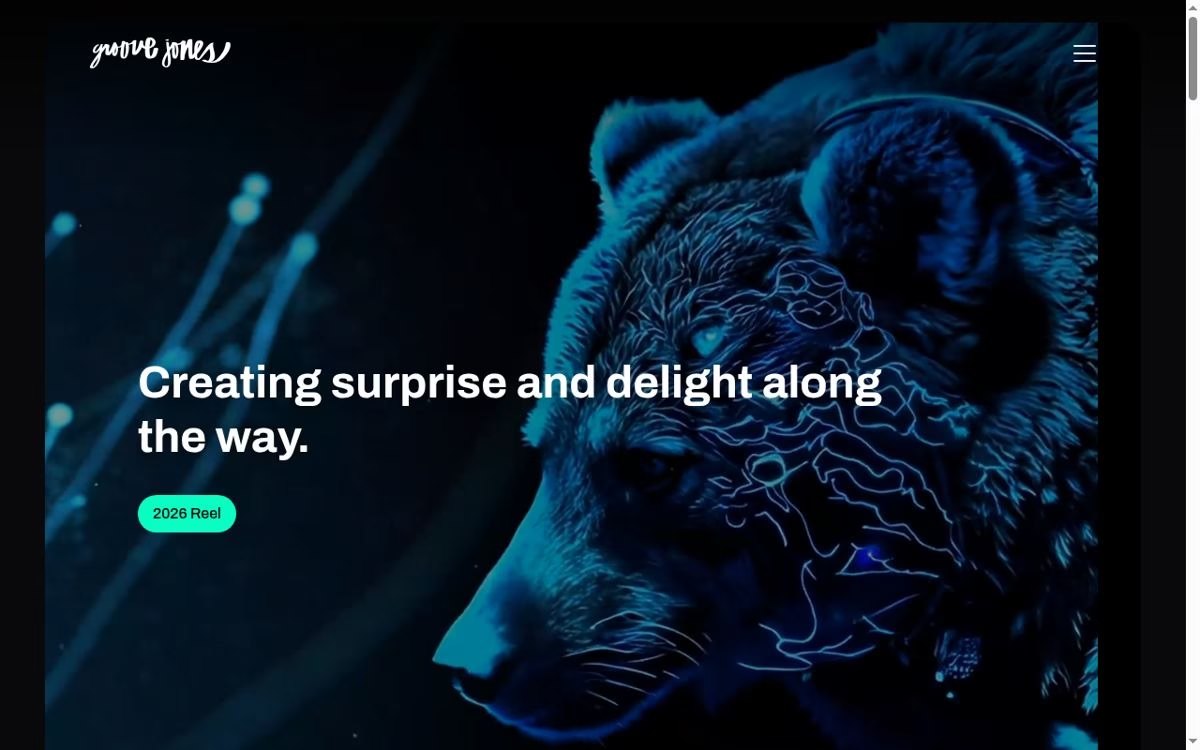
Current build scope: Its current portfolio names Swashbuckler, a dedicated 4D multiplayer VR game for Royal Caribbean, and Disasterville, a multiplayer mixed-reality experience for the U.S. Army National Guard. Other published work includes an interactive flight-simulation experience and CPR VR. These are provider-published references, not independent outcome guarantees. The setting matters: a controlled attraction or activation is different from a downloadable game used at home.
Who it may suit and what to ask: Ask who owns hardware installation, player onboarding, staffing and fault recovery. If the project will be distributed commercially, qualify store submissions, updates and the supported-device matrix separately from creative production.
2. Lucid Reality Labs

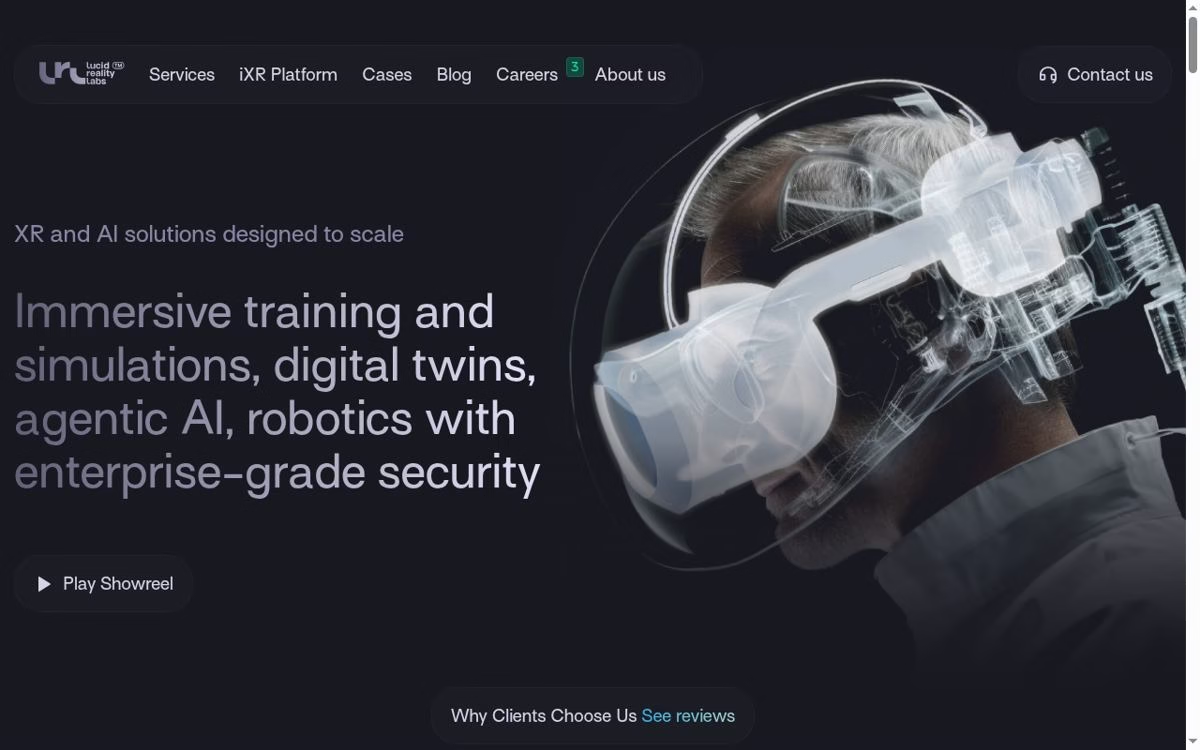
Current build scope: The current site positions Lucid Reality Labs around XR simulation, digital twins and immersive training for enterprise and healthcare use. That is a useful lead for serious games with measurable training goals, but does not establish a complete entertainment-game pipeline or a genre-specific design team. Treat security and compliance marketing as a starting point for a scope review, not certification of your eventual application.
Who it may suit and what to ask: Request a relevant working simulation and its evaluation method. For a learning project, define what a learner must do, which mistakes are recorded and who approves the scenarios. For an entertainment brief, confirm gameplay and content-production roles before including it in the final shortlist.
3. 4Experience

Current build scope: 4Experience’s current site describes XR/3D uses across military, emergency response, healthcare and industrial work. Published scope discusses realistic training, remote collaboration and prototyping. That is business-XR evidence, not enough on its own to establish every consumer-game genre. A buyer needs to connect the proposed simulation mechanics with either a learning goal or an entertainment loop.
Who it may suit and what to ask: Require a headset prototype with the actual interaction pattern, not only a presentation of 3D scenes. Ask how scenario authoring, environment art and repeatable user tests are handled. Define both technical acceptance and the intended user outcome.
4. ScienceSoft

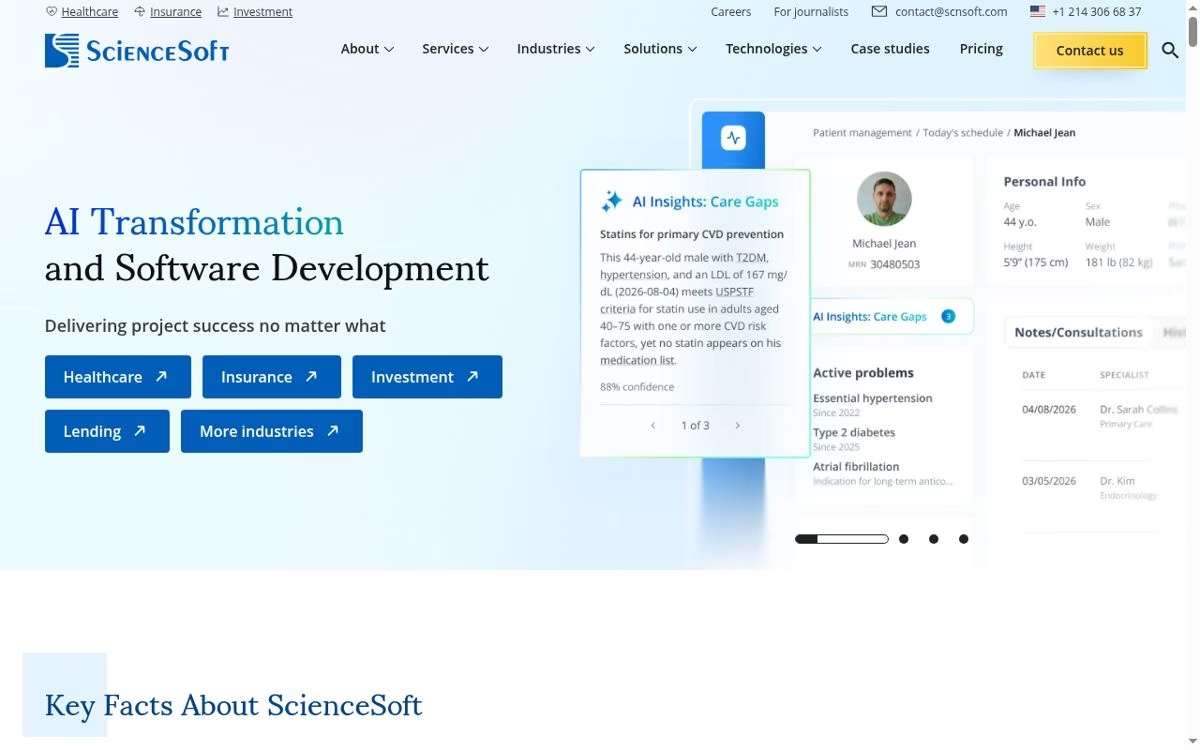
Current build scope: ScienceSoft publishes a specific VR-app development service, including motion/eye-tracking and computer-vision capabilities. Its page describes customer onboarding and systematic change-request handling. Those process statements can help qualify a software delivery engagement, but advertised response or startup times are not a committed production schedule. Game design, art and store release scope still need a written answer.
Who it may suit and what to ask: Ask for a technical design that separates headset input, application logic, content and integrations. Name the approval dependencies and which changes require a revised estimate. Have the proposed team demonstrate the required game or simulation behavior on the target hardware before commissioning a large content backlog.
5. Saritasa

Current build scope: Saritasa combines custom software work with virtual-reality applications and publishes a VR product demonstration. This can be relevant when an immersive experience depends on business data or a wider application. It should not be treated as proof that the supplier supplies all specialist creative roles needed for an entertainment game.
Who it may suit and what to ask: Request one responsibility map for the VR client, 3D content, connected APIs and production infrastructure. Test what happens when the network or a dependency is unavailable. Specify whether the handover covers editable assets and deployment instructions, alongside code and maintenance.
6. Onix

Current build scope: Onix currently emphasizes IT consulting, custom products, mobile delivery, platform recovery and AI-enabled features. The reviewed homepage also links AR/VR medical-training content, but its current general software positioning does not by itself verify a complete VR-game production service. Keep the company in a qualification stage until a recent playable reference and proposed immersive team are shown.
Who it may suit and what to ask: Ask which engineers have shipped on the selected headset and who covers art, interaction design and audio. If the engagement adds capacity to your own team, identify the internal game director and technical reviewer. Separate custom development from any licensed assets or supplied content.
7. WE/AR Studio

Current build scope: WE/AR Studio describes VR for data visualization, product interaction and training, plus rapid prototyping. Its project list includes VR training for pathologists and location-based AR storytelling. Its site publishes fixed-project, dedicated-team and time-and-effort payment models. These are distinct procurement routes; a business-XR portfolio is not automatically a consumer-game reference.
Who it may suit and what to ask: Use a rapid prototype to test the interaction before agreeing to full production. Compare fixed scope with continuing team capacity using the same deliverables. Ask which roles are included, how content changes are priced and whether the support scope covers both application fixes and evolving headset dependencies.
8. Vention (formerly iTechArt)

Current build scope: Vention’s current AR/VR page explicitly names custom VR games alongside training simulators, telehealth and sales applications. It lists Unity and other immersive-tool capabilities. This is direct service-scope evidence under the current Vention name, but tool names alone do not establish game performance, commercial availability or the exact creative team.
Who it may suit and what to ask: Ask for a playable genre-relevant build and the role of the proposed team in it. Separate gameplay engineers from artists and game designers. Require a pipeline for source assets, builds and device tests, then confirm whether you are buying a bounded project or engineers to work under your own production leadership.
9. Innowise

Current build scope: Innowise’s current site offers staff augmentation, dedicated teams and broader software delivery, including AR/VR capability. That provides clearer engagement context than an old directory rate, but does not establish that every creative-production role is available in a particular team. Its old domain now presents the current Innowise brand.
Who it may suit and what to ask: For staff augmentation, name your internal architecture, design and release owners. For an end-to-end game, require a fuller team plan that includes content and QA rather than assuming engineering capacity covers them. Confirm relevant Unity or Unreal work, headset tests and release responsibilities before comparing costs.
10. Monkhub

Current build scope: Monkhub currently lists games, mobile applications, blockchain and AR/VR services. The combination is relevant to an initial immersive-game discussion, but the service list does not settle headset support, genre experience or what content production it performs directly. Token functionality should be optional scope, not a reason to skip the base game’s interaction and performance checks.
Who it may suit and what to ask: Ask to run a working VR build with the main mechanic on the selected device. Have the team show gameplay engineering, scene and asset work separately. Obtain a first-playable milestone and a support boundary for networking, multiplayer or blockchain services if those are required.
11. Apzumi

Current build scope: Apzumi’s current positioning is healthcare software and AI-powered products. It publishes proof-of-concept/MVP, dedicated-team and advisory/support services. This is product-delivery evidence for healthcare, but the reviewed current scope does not verify the old listing’s claim that it is a VR gaming specialist. Its inclusion is conditional on a specific health simulation or separately demonstrated immersive project.
Who it may suit and what to ask: For healthcare use, define the intended purpose with qualified reviewers and distinguish training from clinical decision-making. Require direct headset evidence and a review plan for scenarios, data and user safety. For entertainment, do not shortlist on the historical profile alone.
12. Bornfight

Current build scope: Bornfight’s active site currently describes developing digital businesses and helping early-stage companies, with technical/business expertise and a partner network. That is not enough to confirm a current specialist VR-game engagement. The older listing’s legacy phone-headset guidance should not be used to choose new hardware.
Who it may suit and what to ask: Ask whether a VR-game team is currently available and request a working recent reference. If the service is unavailable, use another candidate with directly demonstrated immersive work. Keep product-business advice separate from gameplay engineering, art production and headset-release obligations in any proposal.
13. SmartTek (formerly AVRspot)

Current build scope: SmartTek’s current VR service page covers training, marketing, storytelling and custom applications. Its published portfolio includes a PPE training simulator and a TAVR surgery training example. Those references support investigating simulation work under the current brand, not assuming that it supplies a complete consumer-game studio or guarantees commercial success.
Who it may suit and what to ask: Ask for a relevant working build, not only the project description. Define scenario or level authoring, editable 3D assets, headset support and release accounts. Require technical and user acceptance for the first playable version before expanding the content set.
VR game development hiring FAQ
How much does a VR game cost?
Ask for a current scope-based proposal rather than relying on old directory rates. Costs depend on the game loop, content volume, platforms, multiplayer, integrations and support. Compare the same deliverables and include device testing, licensing and post-launch work.
Which game engine should I choose?
Ask the team to explain its engine choice against target hardware, rendering needs, asset pipeline and maintenance skills. Unity and Unreal experience should be demonstrated with relevant work. The engine name alone does not establish performance or production quality.
Can one team build VR, AR and mixed-reality games?
Some teams offer several immersive services, but ask for a demonstration of each capability you need. The interaction model, device support and testing requirements differ. Include only confirmed capabilities in your project plan.
How do I hire VR developers globally?
Compare relevant work, the named team, communication overlap and delivery ownership. Verify current locations and contracting arrangements directly. A US-focused title or an old headquarters table does not prove where the people working on your game are located.
What should I test before full production?
Build a small playable prototype of the central interaction on the target headset. Evaluate comfort, frame stability, input, accessibility and whether the experience is fun or useful for its intended audience. Fix core problems before commissioning a large volume of content.
Plan a VR production brief before comparing quotes
Specify the intended experience: a consumer game, a staffed attraction, an event activation or a training simulation. Each can use similar rendering tools but needs a different operating model. State target headsets, controllers, play-space assumptions, session length and whether users are supervised. If multiplayer is needed, define the shared space, network and session-management requirements before comparing a single-player prototype with a networked release.
- Discovery: game or scenario design, interaction sketches, target-device list, risk log and a bounded first-playable scope.
- Prototype: the main loop on real hardware, with representative movement, input and visual complexity. Test failure and exit paths as well as the intended action.
- Content production: levels/scenarios, 3D source files, animation, audio, interface, localization and the approvals for each asset group.
- Release: device testing, optimization, permissions, distribution, store or enterprise-deployment responsibilities and update procedures.
- Operations: monitoring, support hours, content updates, hardware ownership and how the experience recovers after a crash or service failure.
Use a first-playable gate, not only a milestone date
Agree on a short acceptance sheet before commissioning the full content set. Include the main interaction, intended play-space, device inputs, restart/exit behavior, user comfort and agreed performance measurements. Let representative users try it on the actual headset. The point is to discover whether the game loop or simulation works before making more environments and assets.
For a training simulation, include the relevant subject-matter reviewer and an observable learning task. For entertainment, test whether the mechanic is understandable and worth repeating. A polished promotional video cannot establish either outcome. Have the supplier show a playable build and explain which issues remain before approving the next phase.
Separate creative production from engineering capacity
Ask for the named game designer, technical lead, artists and testers. A dedicated software team may be useful when you already own creative direction, but it is different from buying a complete game-production service. Mark each role as client-owned, supplier-owned or third-party. Record who can approve changes and who owns the editable assets and engine project.
Compare fixed-price proposals only after the scope is bounded. For a continuing team, agree on working builds and review cadence, not just hours. Keep headset licenses, third-party assets, multiplayer infrastructure and ongoing support visible as separate dependencies. None of the company descriptions in this guide is a current price quote.
Is an Oculus Rift developer the right choice for a new VR game?
Do not choose by an older device label alone. Ask whether the team can demonstrate the application on the hardware you plan to support now. Legacy PC-VR experience can be useful, but a standalone or mixed-reality release needs its own input, performance, permissions and testing plan. Define the launch-device matrix and qualify the proposed team against it.
Should I hire a VR game studio or an XR development company?
Use a studio with relevant playable work when you need the full entertainment loop, content pipeline and release service. An XR company may fit a training, product demonstration or integrated business application. Some suppliers cover both, but ask for direct evidence of the scope you need. A general AR/VR service list does not settle genre, art production or live-game support.
Can a VR prototype become the production game?
Sometimes, but require a technical review before expanding it. Ask which code and assets are temporary, what must be rebuilt for supported devices, and how testing and release automation will work. A prototype designed to prove one mechanic is not automatically a maintainable production architecture. Keep the next investment tied to evidence from that first playable build.







Leave a Reply