
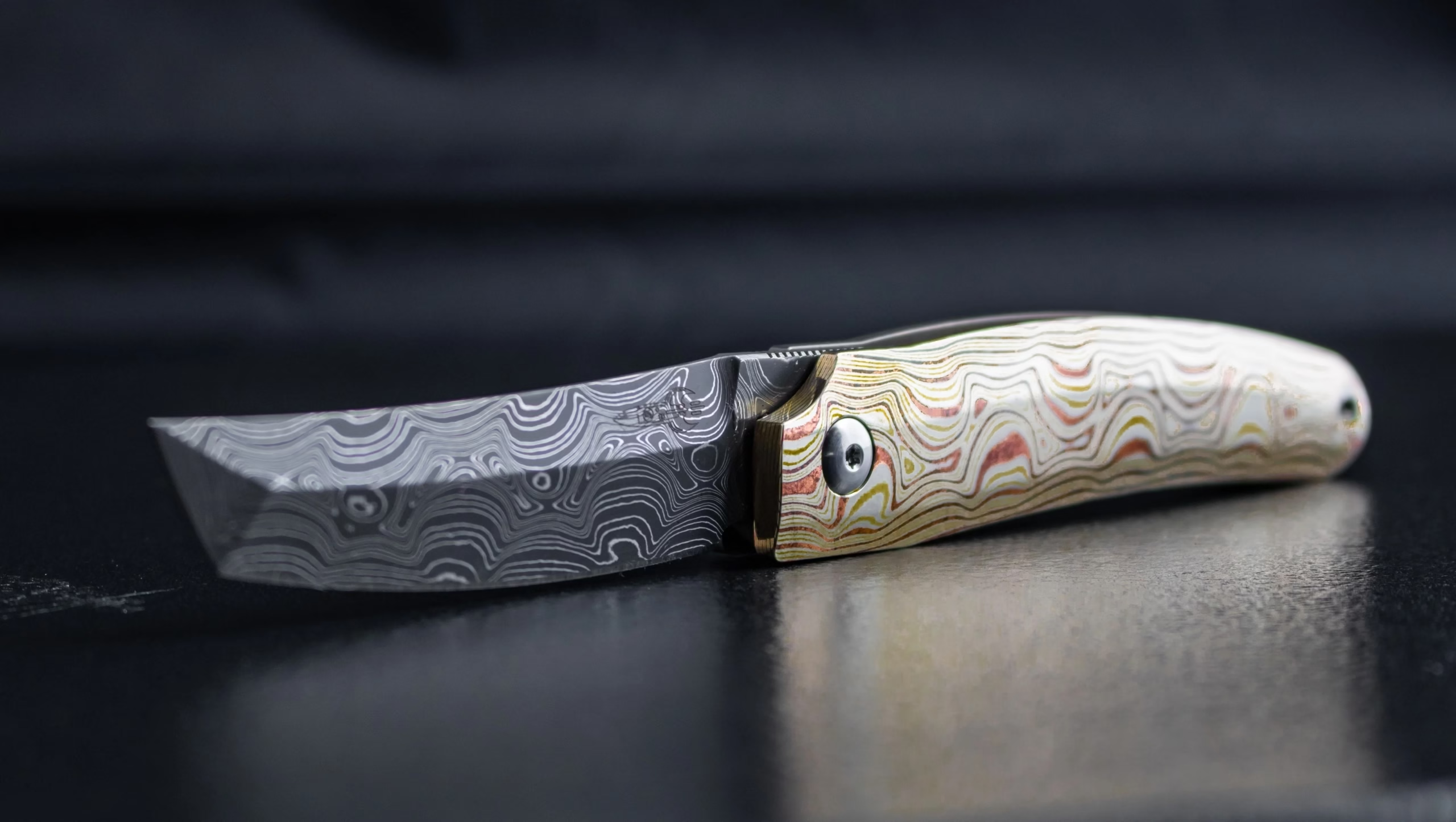



Damascus steel knives have a reputation that goes far beyond the kitchen. They’re admired for their striking wavy patterns, razor-sharp edges, and centuries-old craftsmanship. But what exactly makes these knives so special—and are they worth the hype? Let’s break it down in a simple, practical way.
What Is a Damascus Steel Knife?
A Damascus steel knife is made by forging together multiple layers of different steels. These layers are folded and hammered repeatedly, creating the iconic flowing patterns on the blade. Historically, “Damascus steel” referred to legendary blades from the Middle East known for their strength and sharpness.
Modern Damascus knives are usually made by combining high-carbon steel (for sharpness) and softer steel (for flexibility). This combination gives you a blade that’s both durable and capable of holding a fine edge.
Why Are Damascus Knives So Popular?
There are three main reasons people love Damascus knives:
1. Unique Appearance
No two Damascus knives look the same. The layered steel creates beautiful, wave-like patterns that make each blade a piece of art.
2. Excellent Sharpness
Thanks to the high-carbon core, these knives can be sharpened to an extremely fine edge—perfect for precision cutting.
3. Strong Yet Flexible
The layered construction helps prevent the blade from becoming too brittle while maintaining strength.
Advantages of Damascus Steel Knives
Here’s what makes them stand out:
- Superior edge retention – stays sharp longer than many standard knives
- Aesthetic appeal – eye-catching patterns
- Durability – resistant to cracking under normal use
- Balanced performance – combines hardness and flexibility
Disadvantages to Consider
Damascus knives aren’t perfect. You should also know the downsides:
- Prone to rust (especially if high-carbon steel is used)
- Requires regular maintenance like cleaning and oiling
- Usually more expensive than standard knives
- Patterns can fade if not properly cared for
How to Take Care of a Damascus Knife
Proper care is essential if you want your knife to last.
1. Clean Immediately After Use
Wash with mild soap and dry right away. Never leave it wet.
2. Oil the Blade Regularly
Apply a thin layer of food-safe mineral oil to prevent rust. For frequent use, oil every few days.
3. Avoid Dishwashers
The heat and moisture can damage the blade and handle.
4. Store Properly
Use a knife block, sheath, or magnetic strip to keep it dry and safe.
Are Damascus Knives Good for Kitchen Use?
Absolutely—if you’re willing to maintain them. They’re excellent for:
- Slicing meat
- Chopping vegetables
- Precision cutting
However, they’re not ideal for heavy-duty tasks like cutting bones or frozen food.
Damascus vs Stainless Steel Knives
| Feature | Damascus Steel | Stainless Steel |
| Sharpness | Very high | Moderate to high |
| Maintenance | High | Low |
| Rust resistance | Low to moderate | High |
| Appearance | Decorative patterns | Plain |
| Price | Higher | More affordable |
How to Spot a Real Damascus Knife
Not all knives labeled “Damascus” are genuine. Here’s what to look for:
- Visible layered pattern that continues across the blade
- Reputable brand or maker
- Higher price point (real Damascus isn’t cheap)
- Avoid printed or fake patterns that look too uniform
Is a Damascus Knife Worth It?
If you appreciate craftsmanship, sharpness, and aesthetics, then yes—it’s worth it. But if you prefer low-maintenance tools, a stainless steel knife might be a better choice.
Think of a Damascus knife like a luxury watch. It’s not just about function—it’s about experience, care, and pride in ownership.
Final Thoughts
Damascus steel knives are a perfect blend of beauty and performance. They require a bit more attention, but in return, they offer unmatched sharpness and visual appeal. If you treat them well—cleaning, drying, and oiling regularly—they can last for many years and even become a family heirloom.
FAQs
1. Do Damascus knives rust easily?
Yes, especially if they contain high-carbon steel. Regular oiling helps prevent this.
2. Can beginners use Damascus knives?
Yes, but they must learn proper care and maintenance.
3. How often should I sharpen a Damascus knife?
Every few months, depending on usage.
4. Are Damascus knives only for chefs?
No, home cooks can use them too if they’re willing to maintain them.
5. Why are Damascus knives expensive?
Because of the complex forging process and high-quality materials used.
You have not enough Humanizer words left. Upgrade your Surfer plan.







Leave a Reply