


Today, visual content is everywhere. We see it on blogs, online stores, social media, ads, and websites. Because of that, finding the right image quickly has become very important. This is where the Best Image Search Engines become useful. They help you discover photos, graphics, ideas, and even similar images in seconds.
According to , digital media and visual content use keeps growing every year as more brands invest in online marketing. Also, research from shows that visual posts often get better engagement than plain text content. That means strong visuals are no longer optional.
If you are a blogger, marketer, designer, or business owner, image search tools can save time. They help you find stock photos, check copyrights, explore trends, and build better content faster. Some tools even support reverse image search, which lets you upload a photo and find where else it appears online. If your goal is to find a person, see our guide to finding someone by picture for free.
In this guide, we will explore the Best Image Search Engines that help you work smarter, create faster, and improve your visual content strategy.
Why You Should Use Image Search Engines
Images can make content stronger, cleaner, and more engaging. However, finding the right image manually can waste a lot of time. That is why many creators use the Best Image Search Engines to work faster and smarter.
1. Find Quality Images Quickly
Instead of searching random websites, image search tools help you discover photos, vectors, icons, and illustrations in seconds. You get better results with filters like size, color, style, and usage rights.
2. Check Image Sources
Sometimes you may want to know where an image came from. Reverse image tools can help you trace the original source. This is useful for avoiding copyright problems and fake images.
3. Improve Blog and Website Content
Articles with visuals often keep readers interested longer. If you run a blog about app development, strong images can improve clicks and readability.
4. Discover Trends and Ideas
Platforms like Pinterest and Google Images are great for inspiration. You can explore new styles, layouts, and popular content ideas. This helps marketers and designers stay updated.
5. Save Money
Many search engines include free-to-use images. So, instead of hiring a photographer every time, you can find quality visuals at low or no cost.
6. Help Social Media Growth
Posts with visuals often perform better than text-only posts. Whether you promote products, blogs, or even niches like hookups apps, images can boost engagement.
Simply put, the Best Image Search Engines are not just search tools. They are productivity tools for modern content creators.
How We Chose These Platforms
There are many image tools online, but not all of them give useful results. Some are fast but limited. Others have great images but confusing layouts. That is why we carefully selected platforms that truly deserve a place among the best Image Search Engines.
We used simple and practical factors so readers can choose the right tool easily.
1. Search Accuracy
First, we checked how well each platform finds relevant images. A good search engine should understand keywords and show useful results quickly.
2. Reverse Image Search Features
Many users want to upload a photo and find similar images or original sources. So, reverse search tools were an important factor in our list.
3. Free and Paid Options
Some users need free tools. Others need premium stock photos for business work. We included both types so everyone gets useful options.
4. User Experience
Nobody likes a messy website. We looked at simple layouts, clean navigation, and smooth browsing. Good tools should save time, not create stress.
5. Speed and Filters
Fast loading matters. We also checked filters like image size, color, format, license type, and category. These features help users find the right image faster.
6. Best Use Cases
Some tools are better for bloggers. Others are stronger for designers, marketers, or researchers. We noted where each platform performs best.
Now that you know how we selected them, it is time to explore the actual list of the Best Image Search Engines.
1. Lenso.ai
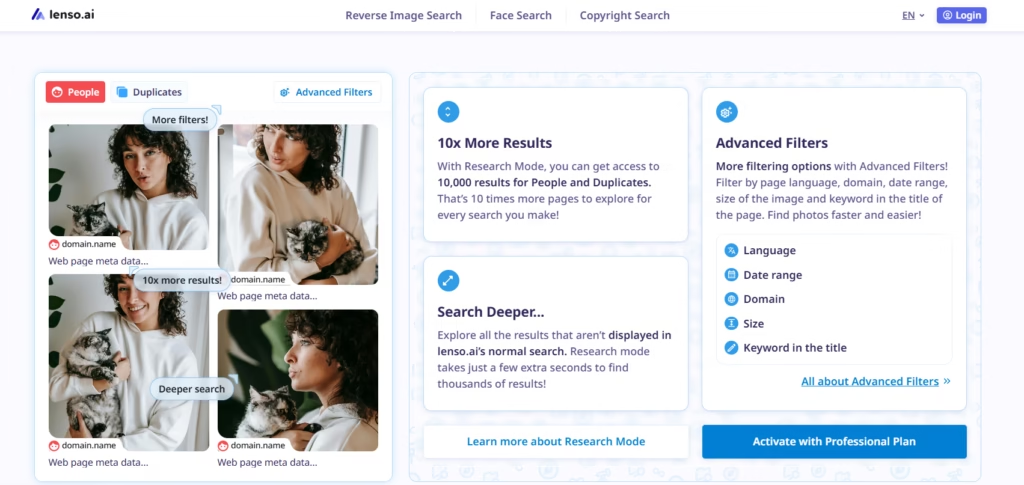
Lenso.ai is one of the most advanced AI-powered image search engines available today. It goes beyond basic reverse image search by using intelligent recognition to find visually similar images, faces, objects, and even specific elements within an image. Instead of relying only on exact matches, Lenso.ai understands patterns, making it more accurate and useful for modern visual search needs.
Many users prefer Lenso.ai when they want deeper insights from an image. For example, if you upload a photo of a person, it can help find similar faces across the web. This makes it useful for identity lookup, research, and discovering related visual content. It also works well for finding visually similar designs, products, or locations.
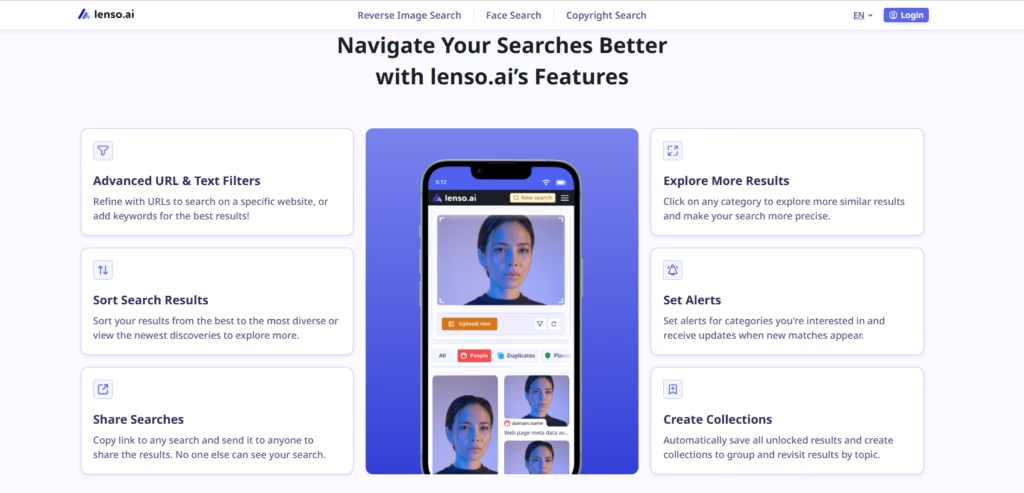
Another strong feature is its AI-driven analysis. Even if an image is edited, cropped, or slightly modified, Lenso.ai can still recognize similarities. This makes it more powerful than traditional image search engines that depend only on exact matches.
The platform is clean and easy to use. You simply upload an image or paste a URL, and results appear quickly. No technical setup is required, which makes it accessible for beginners as well as professionals.
Lenso.ai is also valuable for businesses and creators. Marketers can use it to track visual content, designers can find inspiration, and brands can monitor how their images are used online. It helps save time while improving accuracy in visual research.
If you work in content creation, digital marketing, OSINT, or app development, Lenso.ai can be a highly effective tool for smarter and faster image search.
Best For:
- AI-powered reverse image search
- Face search and recognition
- Finding visually similar images
- Image-based research and analysis
- Content and brand monitoring
Use Cases for Lenso.ai
- Identifying people using face search
- Finding similar product or design images
- Verifying image authenticity
- Tracking where images are used online
- Supporting OSINT investigations
- Content research for blogs and marketing
2. EyeMatch.ai
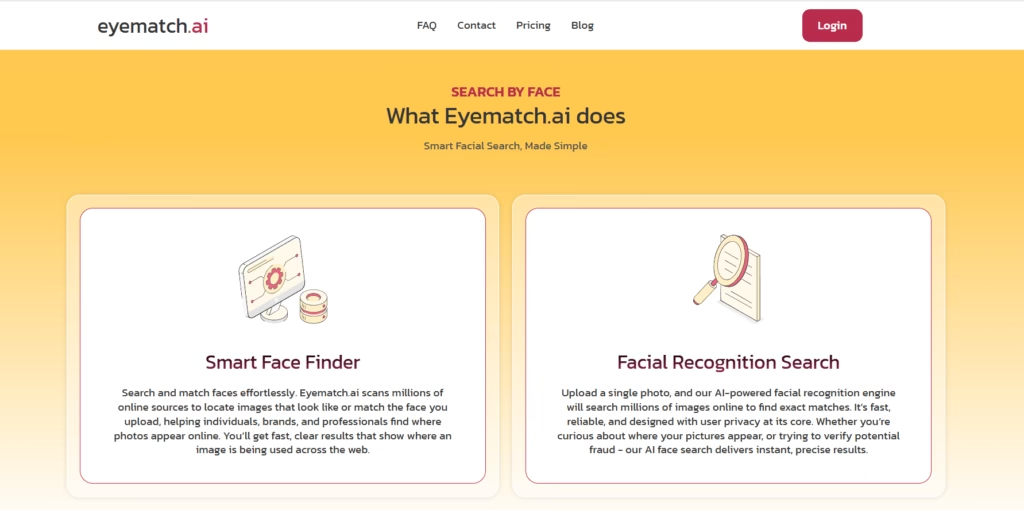
EyeMatch.ai is a powerful AI-based image and face search tool designed to help users find visually similar images and identify faces with high accuracy. Unlike basic reverse image search tools, it focuses more on facial recognition and detailed visual matching, making it especially useful for people who want to search for individuals or track image appearances across the web.
Many users rely on EyeMatch.ai when they need precise face matching. For example, if you upload a photo of a person, the tool analyzes facial features and finds similar matches online. This makes it helpful for research, identity lookup, and discovering related profiles or images.
One of its key strengths is advanced AI recognition. Even if an image is slightly edited, resized, or cropped, EyeMatch.ai can still detect similarities. This improves accuracy compared to traditional tools that only rely on exact image matches.
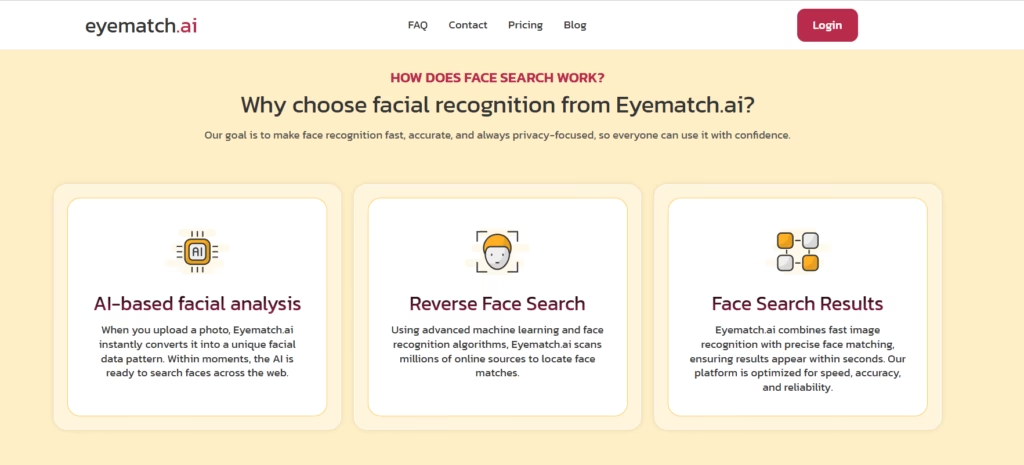
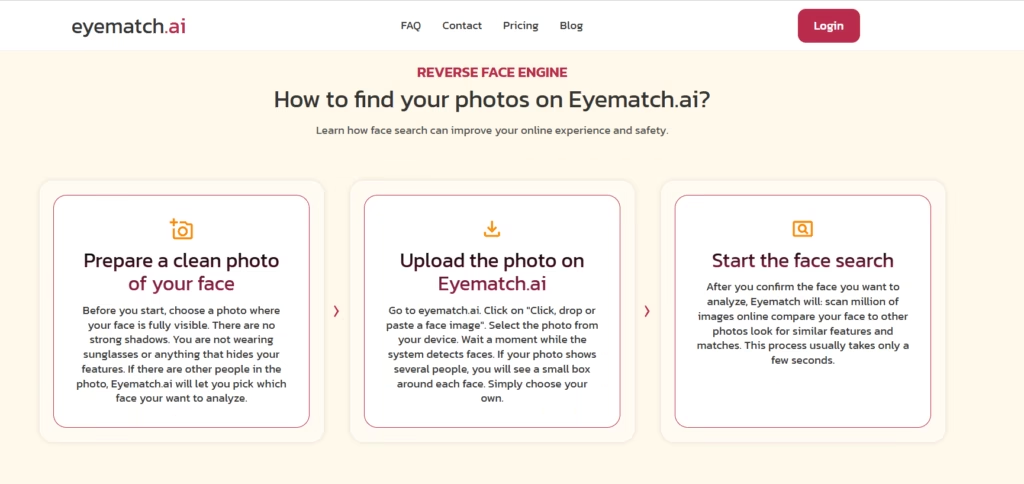
The platform is simple and easy to use. You just upload an image, and within seconds, it provides relevant results. There is no complicated process, which makes it suitable for both beginners and professionals.
EyeMatch.ai is also valuable for digital marketers, investigators, and content creators. It helps track image usage, verify authenticity, and find related visual content quickly. This saves time and improves decision-making when working with visual data.
Best For:
- Face search and recognition
- Reverse image search
- Finding visually similar faces
- Identity and image verification
- Online image tracking
Use Cases for EyeMatch.ai
- Finding people using facial search
- Verifying profile images
- Detecting reused or fake images
- Supporting OSINT and investigations
- Monitoring image usage across platforms
- Research for digital content and marketing
3. TinEye: Reverse Image Search Engine
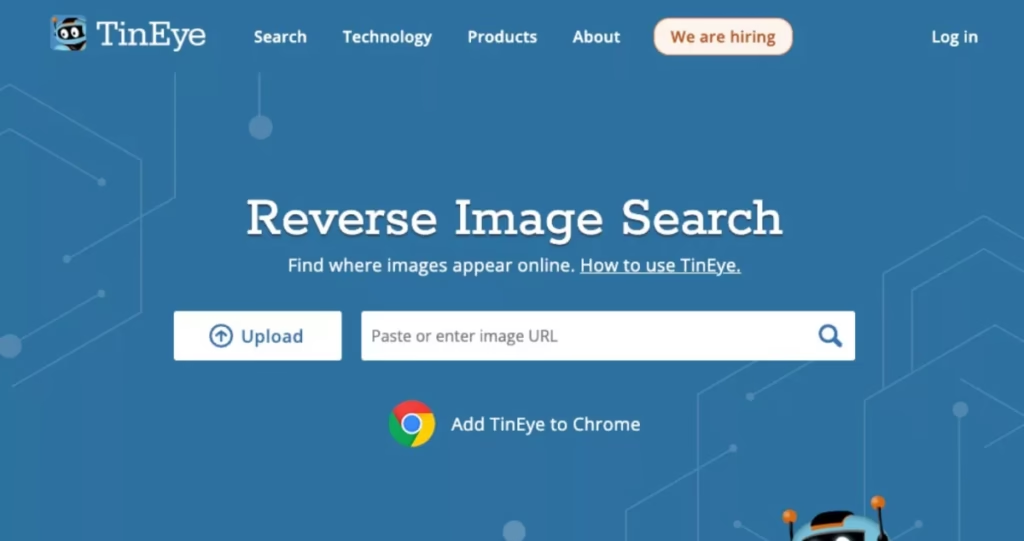
TinEye is one of the most trusted reverse image search tools on the internet. Instead of typing keywords, you upload an image or paste its URL. Then, it searches the web to find where that image appears. This makes it very useful when you want to track image usage, check originality, or find higher-quality versions.
Many people use TinEye when they need to verify if a photo is real or reused somewhere else. For example, if you see a viral image online, TinEye can help you discover older versions of it. That can save you from sharing misleading content.
Another strong feature is image matching technology. Even if the image has been resized, cropped, or slightly edited, TinEye can often still recognize it. That makes it more accurate than many standard search tools.
The platform is simple and fast. You visit the site, upload the image, and view results in seconds. No complex setup is needed. Because of that, bloggers, journalists, marketers, and students often prefer it.
It is also useful for brands. If a company wants to know where its product photos are being used online, TinEye can help monitor that. This is helpful for copyright checks and brand protection.
If you work in content creation or digital marketing, TinEye can become a smart time-saving tool. Even people working in app development projects use it for checking image sources before publishing content.
Best For:
- Reverse image search
- Finding copied or reused photos
- Checking image authenticity
- Finding original image sources
- Brand image monitoring
4. Google Images
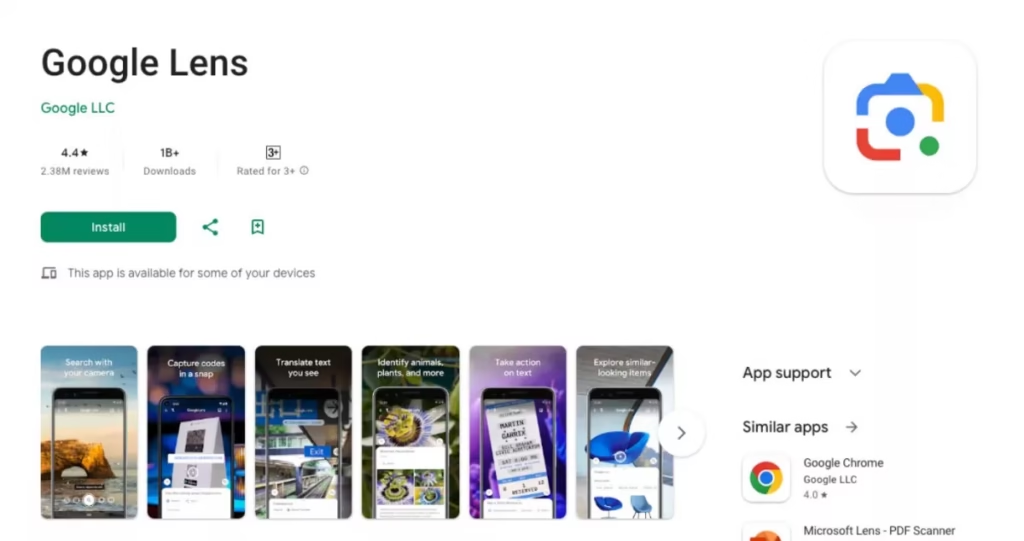
Google Images is one of the most popular image search platforms in the world. It is simple, fast, and packed with a huge collection of visuals from across the web. You can search photos, illustrations, icons, wallpapers, products, and much more with only a few words.
One reason many users prefer Google Images is its smart search system. It understands keywords well and often shows relevant results quickly. You can also use filters like size, color, type, time, and usage rights. These options help users narrow results and save time.
Another useful feature is reverse image search through Google Lens. You can upload a picture or drag an image into the search bar to find similar visuals, products, or related pages. This is helpful when you want to identify objects, places, or image sources.
Google Images is also useful for bloggers and businesses. If you are creating content, it can help you find inspiration, trending visual styles, and topic-related images.
The platform works smoothly on mobile and desktop, which adds more convenience. Since most users already know Google Search, using Google Images feels natural and easy.
For everyday users, marketers, students, and creators, Google Images remains one of the most reliable tools for finding visuals online.
Best For:
- Fast image searching
- Everyday visual needs
- Reverse image search with Google Lens
- Finding inspiration and ideas
- Mobile-friendly searching
5. Yahoo Image Search
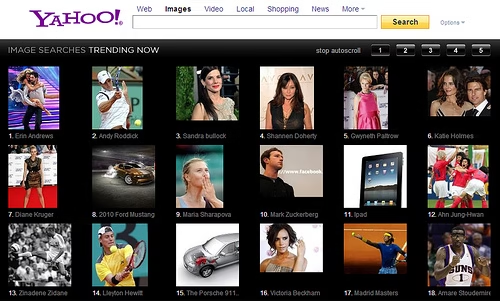
Yahoo Image Search is a simple and user-friendly platform for finding visuals online. It may not be talked about as much as Google or Bing, but it still offers a useful experience for people who want quick image results without confusion.
The platform allows users to search photos, graphics, wallpapers, and topic-based visuals using normal keywords. Its layout is clean, which makes browsing easy for beginners. If someone wants a straightforward image search tool, Yahoo can be a practical option.
One helpful feature is filtering. Users can sort images by size, color, and type. This saves time when looking for specific visuals for blogs, school projects, or presentations. Instead of opening many websites, users can explore results in one place.
Yahoo Image Search is also useful for content creators who need ideas. It can help discover trending visuals, celebrity images, lifestyle photos, and media content. Because of its wide web indexing, users often find a mix of sources quickly.
Another plus point is speed. The platform loads fast and works well on desktop and mobile devices. That makes it convenient for people searching while working or browsing casually.
If you need a secondary option beyond mainstream tools, Yahoo Image Search is worth trying.
Overall, Yahoo Image Search remains a simple and dependable choice for everyday image searching.
Best For:
- Simple image searching
- Quick browsing
- Beginners
- Casual users
- Comparing results across platforms
6. Bing Image Search
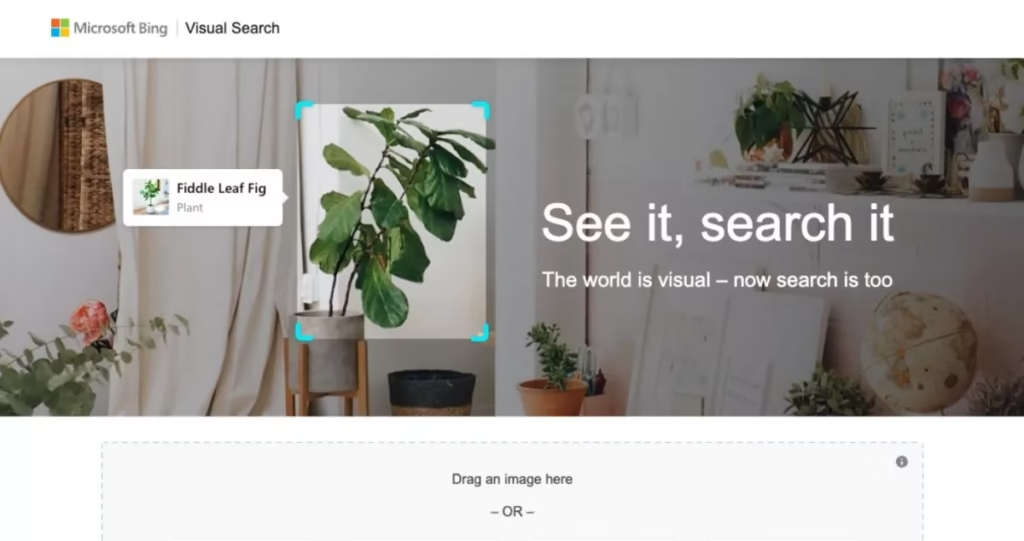
Bing Image Search is a powerful visual search platform from Microsoft. It is often underrated, but many users like it because of its clean design, strong filters, and high-quality image results. If you want an alternative to Google Images, Bing is a smart option.
One of Bing’s best features is its advanced filtering system. You can sort images by size, color, layout, style, people, date, and license type. This makes searching more accurate and saves time when you need specific visuals.
The platform also offers reverse image search. You can upload an image and find similar pictures online. This is useful for checking sources, discovering related content, or finding better quality versions of a photo.
Bing Image Search is especially helpful for designers and marketers because results often include beautiful wallpapers, product images, and creative visuals. Many users also like its homepage image style, which adds a polished experience.
Another advantage is that Bing sometimes shows results that differ from Google. Because of that, using both platforms can help you discover more options. This is useful when researching content ideas or collecting visuals for campaigns.
It works smoothly on desktop and mobile devices, so users can search anywhere. Whether you need images for a blog, presentation, or website, Bing is a reliable tool.
Best For:
- Advanced image filters
- High-quality wallpapers and visuals
- Reverse image search
- Designers and marketers
- Alternative to Google Images
7. Pinterest Visual Search Tool
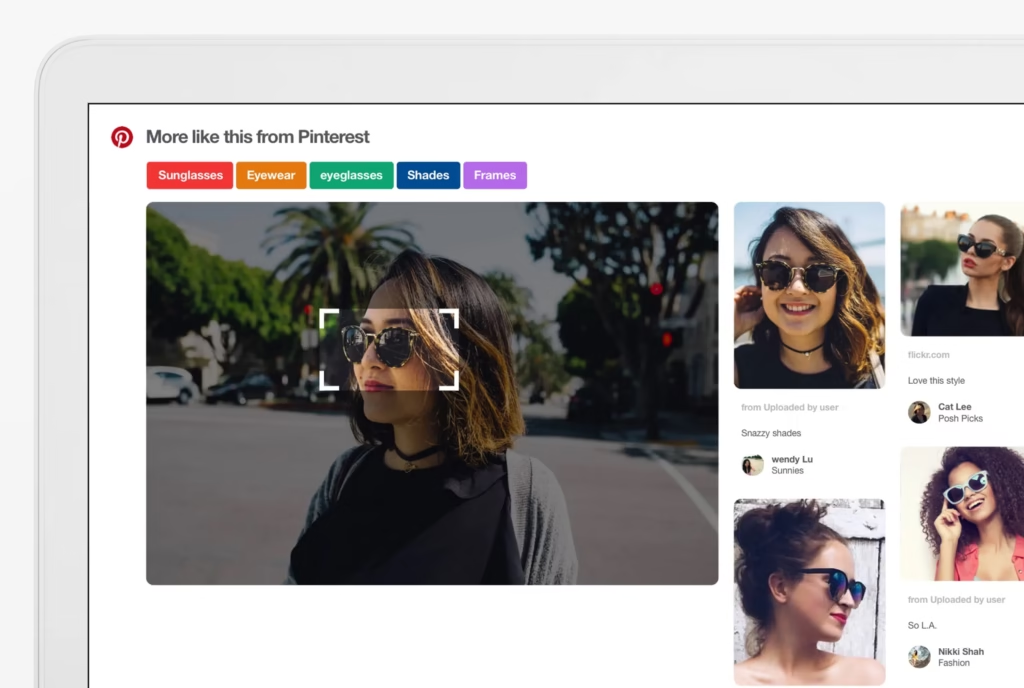
Pinterest Visual Search Tool is different from regular image search engines. Instead of only typing keywords, you can use images to discover similar ideas and related content. This makes it one of the best platforms for inspiration, creativity, and trend research.
The tool works through Pinterest’s visual search technology. You can click on an image and select a specific object or area inside it. Then Pinterest shows similar items, styles, or ideas. For example, if you like a chair in a room photo, you can search only that chair style.
This feature is very useful for designers, bloggers, fashion creators, and home decor lovers. It helps users discover fresh ideas quickly without typing long search terms. Many people use it for mood boards, branding ideas, and content planning.
Pinterest also has a strong advantage because users save and share content constantly. That means the platform stays full of trending visuals. If you want to know what styles are popular, Pinterest can be very helpful.
Another benefit is traffic generation. Bloggers and brands often use Pinterest images to drive visitors to websites. So it is not only a search tool but also a marketing platform.
The mobile app experience is smooth, and many users enjoy browsing casually while still finding useful ideas. It blends search with discovery in a natural way.
Best For:
- Design inspiration
- Fashion and home decor ideas
- Mood boards and planning
- Visual product discovery
- Traffic generation for blogs
8. Openverse
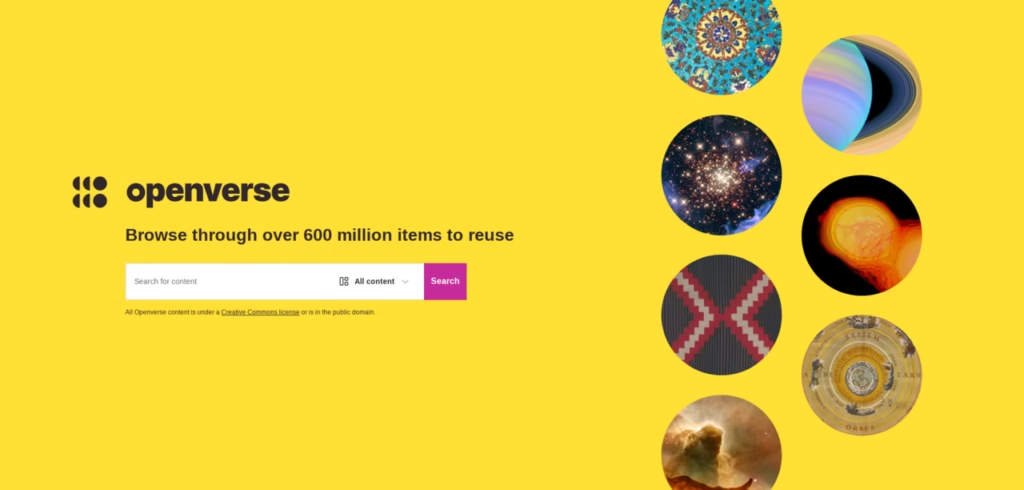
Openverse is a great platform for users who need free and openly licensed images. It is especially popular among bloggers, students, teachers, and small businesses that want visuals without paying expensive subscription fees.
The platform is developed to help people discover media that can be reused legally. It gathers images from many open-source and Creative Commons collections in one place. That means users can search thousands of visuals without visiting multiple websites.
One of the biggest strengths of Openverse is transparency. It usually shows license details clearly, so users can understand whether attribution is needed or if commercial use is allowed. This helps avoid confusion and saves time.
The search experience is clean and easy. You type a keyword, browse results, and use filters to narrow choices. Filters may include image type, size, and license category. This is useful when you need specific content for blogs, presentations, or website pages.
Openverse is especially valuable for educational work. Teachers and students often need safe and reusable images for reports or projects. It is also useful for startups and creators working on limited budgets.
While premium stock websites may offer more polished commercial photos, Openverse wins on accessibility and cost. It gives users a smart way to create content without spending money.
Best For:
- Free licensed images
- Bloggers and startups
- Educational projects
- Budget-friendly content creation
- Legal image reuse with clear licenses
9. Flickr
Flickr is one of the oldest and most respected photo-sharing platforms on the internet. It is known for its massive collection of user-uploaded photography, creative images, and artistic visuals. Unlike standard search engines, Flickr gives access to a community-driven image library.
The platform is especially useful for finding real-life photography. You can search landscapes, travel photos, street photography, wildlife, portraits, and many other categories. Because many images come from photographers directly, results often feel more authentic and unique.
One major benefit of Flickr is image quality. Many users upload high-resolution photos, which makes the platform useful for designers, bloggers, and publishers who need clear visuals.
Flickr also supports licensing filters. Some images are shared under Creative Commons licenses, allowing reuse depending on the creator’s terms. This can be very helpful for users who need legal image options for projects.
Another strong point is community interaction. Photographers join groups, share collections, and discuss techniques. That creates a rich environment for learning and discovering trends.
For content creators, Flickr can be a strong source of non-generic visuals. Instead of using the same stock photos everyone uses, you may find fresh and original content here.
The platform works on desktop and mobile, making browsing simple. Businesses and bloggers who want realistic visuals often prefer Flickr over typical stock sites.
Some marketers promoting topics like hookups apps may also look for lifestyle-style visuals that feel more natural and less staged.
Best For:
- High-quality photography
- Authentic lifestyle images
- Travel and nature photos
- Creative Commons image discovery
- Unique visuals for blogs and media
10. Getty Images
Getty Images is one of the most well-known premium image platforms in the world. It is trusted by media companies, brands, publishers, and businesses that need professional visuals. The platform offers high-quality photos, editorial content, videos, and creative assets.
One of Getty Images’ biggest strengths is image quality. Most visuals are polished, sharp, and professionally produced. This makes it a top choice for advertisements, websites, magazines, and corporate campaigns.
The platform is also famous for editorial coverage. Users can find images from sports events, celebrity appearances, politics, entertainment, and global news. Because of that, many media outlets rely on Getty Images for timely visuals.
Search filters are strong and detailed. You can sort by orientation, people, location, date, event, and content type. This helps professionals find the exact image they need quickly.
Getty Images is usually more expensive than free platforms, but the value comes from premium quality and licensing confidence. Businesses often prefer paying for trusted visuals rather than risking unclear image rights elsewhere.
Another advantage is brand credibility. Using strong visuals can improve how a company looks online. For websites, landing pages, and ad campaigns, that matters a lot.
If someone is building a polished online presence or premium marketing campaign, Getty Images is worth considering. Teams involved in app development launches often use professional visuals for promotions and press kits.
Overall, Getty Images is designed for users who need high-end content and reliable licensing.
Best For:
- Premium business visuals
- Editorial and news photos
- Advertising campaigns
- Professional branding
- High-quality licensed content
11. Shutterstock
Shutterstock is one of the most popular stock media platforms for businesses, marketers, bloggers, and designers. It offers a huge library of photos, vectors, illustrations, videos, music, and creative templates. Because of this variety, many users treat it as an all-in-one content resource.
One of Shutterstock’s biggest advantages is choice. Users can search millions of assets across many industries and styles. Whether you need office photos, food images, technology graphics, or social media templates, the platform usually has multiple options.
The search system is easy to use. You can filter by orientation, image size, color, people, style, and content type. These filters help save time when working on deadlines.
Another strong feature is consistency. Many visuals are commercial-ready and designed for marketing use. That makes Shutterstock useful for ads, blog banners, presentations, YouTube thumbnails, and landing pages.
The platform also offers subscription plans and on-demand purchases. This gives flexibility depending on how often you need content. Small teams may buy only what they need, while agencies may prefer monthly plans.
For creators who want polished visuals without hiring photographers or illustrators, Shutterstock can be a practical solution. It is especially useful for brands that publish content regularly.
Some websites covering niches like Fanvue Alternatives use stock visuals from platforms like Shutterstock to create professional-looking articles and promotional content.
Overall, Shutterstock remains a dependable option for fast, polished, and business-friendly media assets.
Best For:
- Stock photos and vectors
- Marketing campaigns
- Blog and website visuals
- Social media content
- Businesses needing frequent assets
12. Yandex Image Search & Similar Images
Yandex Image Search is a powerful visual search platform that many users know for its strong image recognition features. It is especially useful when you want to find similar images, identify people, objects, places, or discover alternate versions of a photo.
One of the biggest strengths of Yandex is reverse image search accuracy. Many users feel it performs very well when matching faces, clothing, landmarks, and visually related content. Because of that, it is often used as an extra tool when Google or Bing results are limited.
The platform is simple to use. You can type keywords or upload an image directly. After that, Yandex shows similar images, matching pages, and visually related results. This can help when you only have a photo but no clear words to describe it.
Yandex is also useful for product research. If you upload a furniture item, fashion product, or gadget image, it may help you find similar products online. That makes it practical for shoppers and trend researchers.
Another advantage is global discovery. Since Yandex indexes different parts of the web, users sometimes find unique results not easily seen on other search engines.
For bloggers, designers, and digital marketers, Yandex can be a valuable backup tool. Using more than one image search engine often leads to better results.
Some users comparing privacy tools or recognition services also explore platforms related to the pimeyes app while testing reverse image search quality.
Overall, Yandex is a smart option for users who need deep visual matching and broader search variety.
Best For:
- Reverse image search
- Similar image discovery
- Face and object matching
- Product inspiration
- Finding unique global results
Best Image Search Engines for Bloggers and Marketers
Bloggers and marketers need more than random photos. They need visuals that attract clicks, improve reading time, and build trust. The right image platform can make content look stronger and more professional. That is why choosing the right tool matters.
1. Google Images for Fast Content Research
Google Images is great when you need quick ideas. It helps bloggers find trending topics, content styles, infographics, and visual inspiration in minutes. It is useful during content planning and keyword research.
2. Shutterstock for Professional Campaigns
If you run ads or business promotions, Shutterstock is a strong choice. It offers polished visuals made for marketing use. This is helpful for landing pages, banners, and branded blog posts.
3. Pinterest for Traffic and Inspiration
Pinterest works well for both discovery and promotion. Bloggers use it to find design ideas and also send traffic back to their websites through pins.
4. Openverse for Budget Content Creation
If you need free visuals, Openverse is a smart option. It helps small creators and startups find reusable images without spending much.
5. Flickr for Authentic Photos
Many stock photos look staged. Flickr can help marketers find natural and realistic images uploaded by photographers.
What Bloggers Should Focus On
- Clear and relevant visuals
- Fast loading image sizes
- Legal usage rights
- Consistent branding style
- Mobile-friendly graphics
What Marketers Should Focus On
- Conversion-focused visuals
- Ad-ready banners
- Product lifestyle photos
- Social media creatives
- Trust-building imagery
The best platform depends on your goal. If you need speed, use Google Images. If you need premium visuals, choose Shutterstock. If you need ideas, Pinterest is excellent.
For many creators, mixing multiple tools gives the best results.
Wrap up
Finding the right visuals is easier when you use the right tools. Some platforms are great for quick searches, while others offer premium photos, creative inspiration, or strong reverse image search features. The best choice depends on what you need.
If you want fast everyday results, Google Images is a smart option. If you need professional stock visuals, Shutterstock and Getty Images work well. For free licensed content, Openverse is a strong pick. If inspiration matters most, Pinterest can be very useful. And if you need to track images or find similar photos, TinEye and Yandex are excellent choices.
Bloggers, marketers, designers, students, and businesses can all benefit from these platforms. Strong visuals help content look better, keep readers interested, and improve engagement.
Instead of relying on only one tool, try a few of them. Each platform has its own strengths. Using a mix of options can save time and give better results.
In the end, the right image search engine is the one that helps you create better content faster. Explore these tools, test their features, and choose what fits your workflow best.






Leave a Reply