

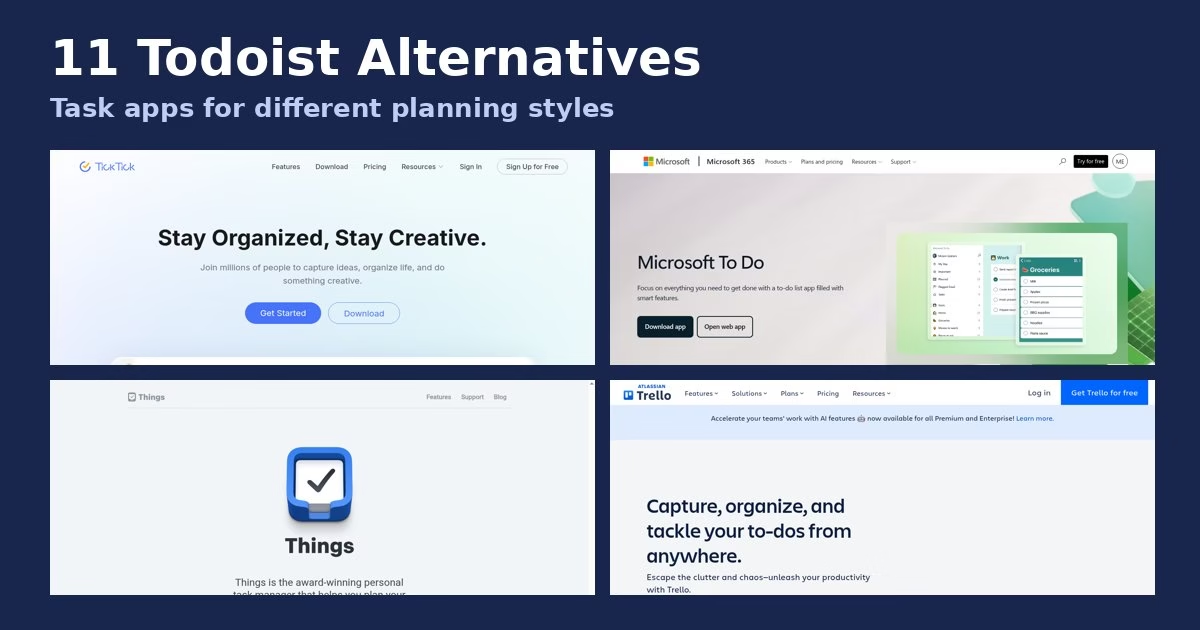
Short answer: the best Todoist alternative depends on why you are leaving. TickTick is the closest personal swap with more built in, Microsoft To Do and Google Tasks fit people who live in Outlook or Gmail, Things and OmniFocus suit Apple users, Trello and Asana suit board and team work, and Vikunja suits people who want to host their own. This guide covers 11 options.
How we checked
We read each tool’s official site on 6 October 2026 and captured its homepage. We did not run hands-on tests of these tools, so we describe what each vendor says and flag vendor claims. Prices and plans change, so we quote prices only where we saw them on an official page and tell you to confirm them. We also read Todoist’s own pricing page: on 6 October 2026 it listed a free Beginner plan, Pro at $5 per user per month ($60 billed yearly) and Business at $8 per user per month ($96 billed yearly), in US dollars.
Why people look beyond Todoist
Todoist’s free plan lists 5 personal projects and 3 filter views, and calendar layout and custom reminders sit on Pro. People who hit those limits, want habits or a calendar built in, prefer a tool from their own suite, or need boards or self-hosting start comparing. Those reasons point to different tools, so the list below is grouped by need.
Quick picks by need
- All-in-one personal planner: TickTick
- Already in Microsoft or Google: Microsoft To Do, Google Tasks
- Apple-only, design-first: Things, OmniFocus
- Shared lists and family: Any.do, Remember The Milk
- Boards and team work: Trello, Asana
- Tasks with notes and docs: Notion
- Own your data: Vikunja
Comparison at a glance
The 11 alternatives
1. TickTick
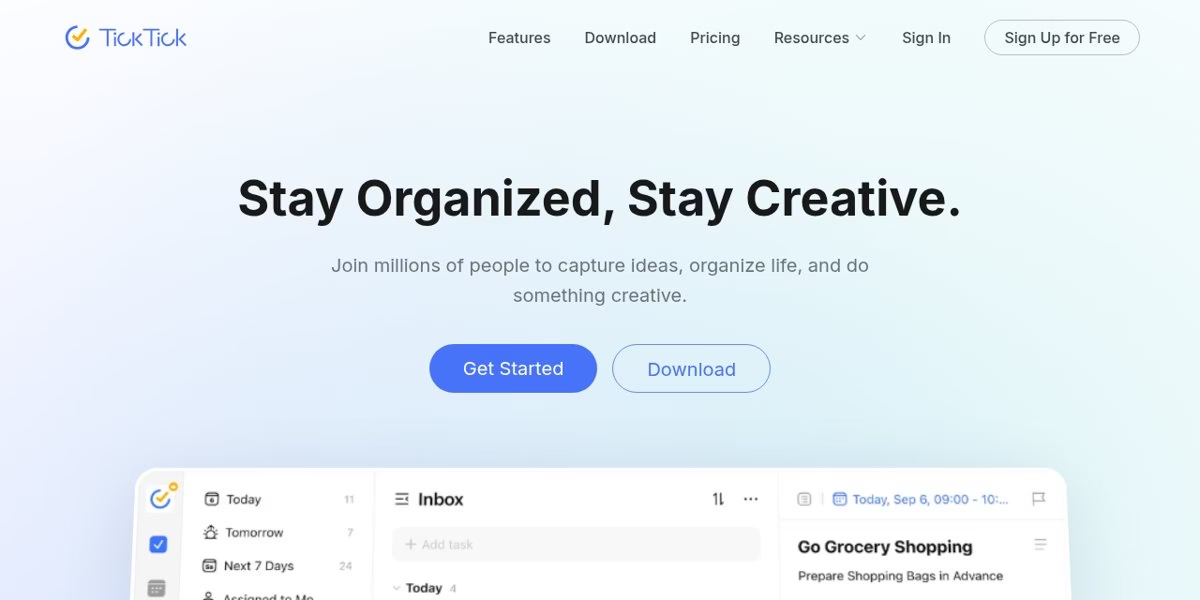
TickTick is the closest like-for-like swap if you want a personal task app with more built in. Its homepage lists six calendar views, voice capture, constant and repeat reminders, natural language dates, filters, shared lists, habit and focus statistics and 40+ themes, with sync across phone, computer, tablet and watch.
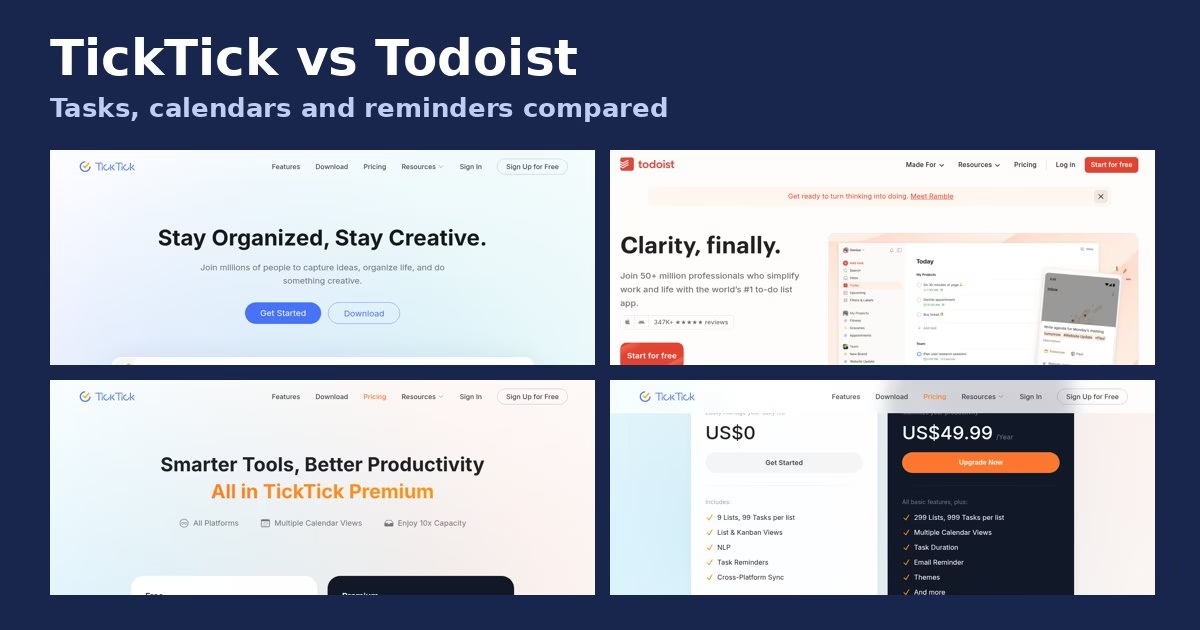
Its pricing page listed a Free tier (9 lists, 99 tasks per list) and Premium at US$49.99 per year on 6 October 2026. Our separate TickTick vs Todoist comparison goes through the limits in detail.
Best for: People who want tasks, calendar and habits in one app.
Worth checking: Free-tier caps on lists and tasks per list.
2. Microsoft To Do
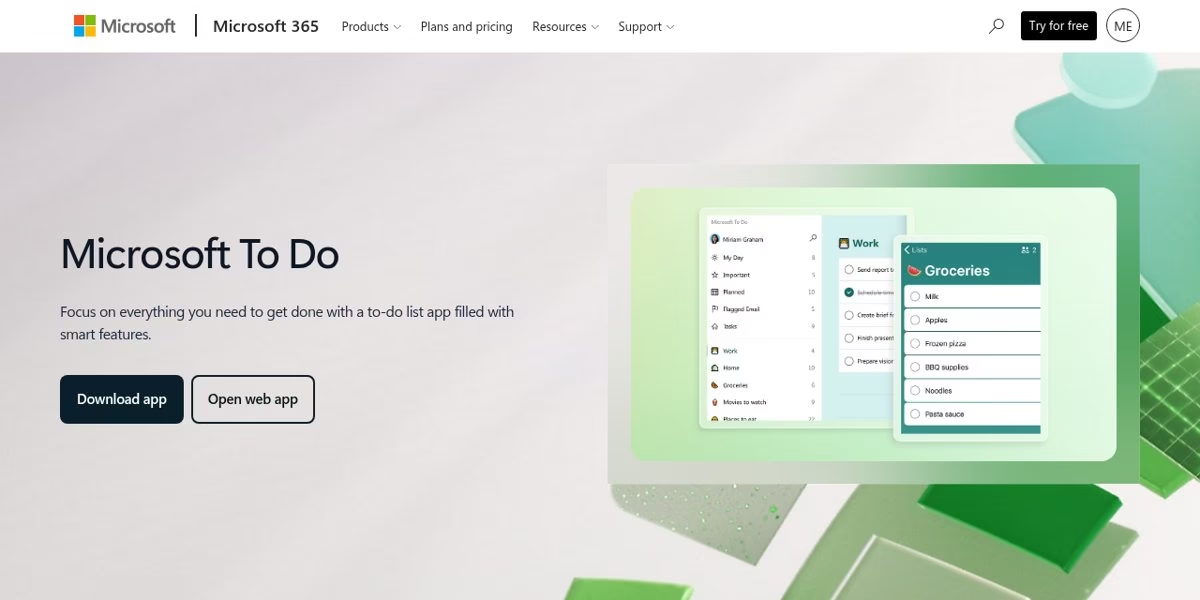
Microsoft describes To Do as a to-do list app with smart features. Its page lists My Day, which offers personalized suggestions to build a daily or weekly list, shared lists for friends, family and colleagues, due dates and reminders, and integration with Outlook tasks.
The page says you can use it for free and sync lists across the web, iOS, Android and Windows. That makes it a low-friction pick if your work already runs through Outlook.
Best for: Outlook and Microsoft 365 users who want a simple daily planner.
Worth checking: The page highlights simplicity, so check whether you need project views or filters like Todoist offers.
3. Google Tasks
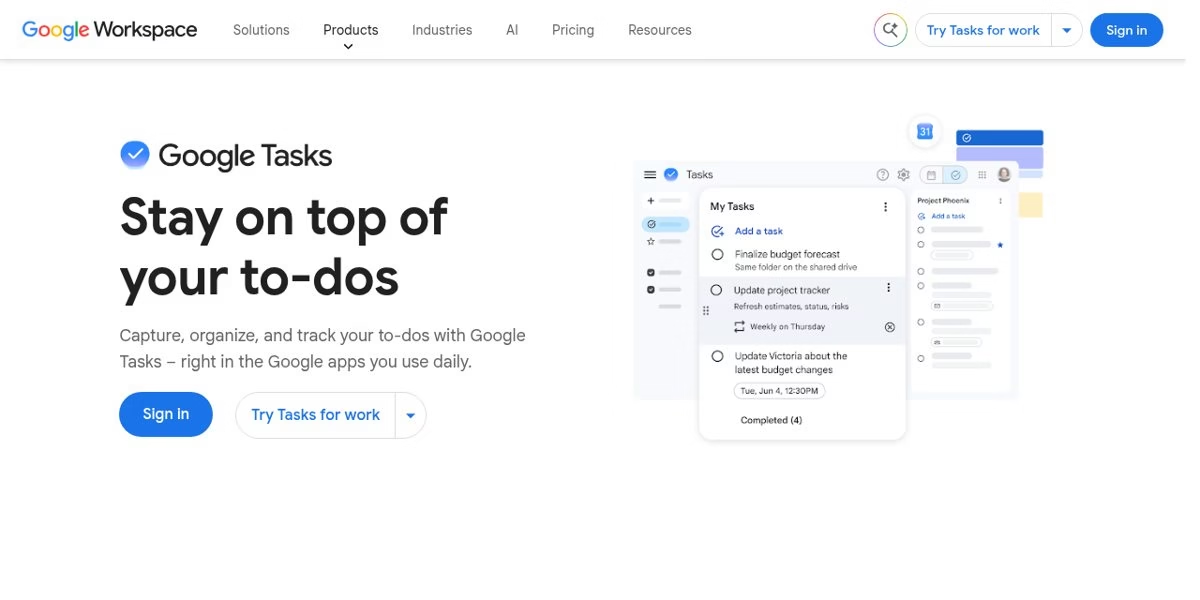
Google describes Tasks as a way to capture, organize and track your to-dos right in the Google apps you use daily. The product page shows a simple task list with details and subtasks next to a project view.
It lives alongside Gmail and Calendar, which is the reason to use it: tasks sit where your email and schedule already are. It is the lightest option here, so it suits people who want few features.
Best for: Google Workspace and Gmail users who want a minimal list.
Worth checking: It is intentionally simple, so check that it covers recurring tasks and filters if you rely on them.
4. Things
Things is a personal task manager from Cultured Code for Apple devices. The site lists apps for Mac, iPhone and Watch, iPad and Vision Pro, and says Things has won the Apple Design Award twice. It is built to help you plan your day, manage projects and make progress toward goals.
The site links to each app with a price shown in your currency, so we do not quote prices here. It is a good fit if you live in the Apple ecosystem and care about design.
Best for: Apple users who want a polished personal task manager.
Worth checking: It is Apple-only according to the site, so it will not work for people on Windows or Android.
5. Any.do
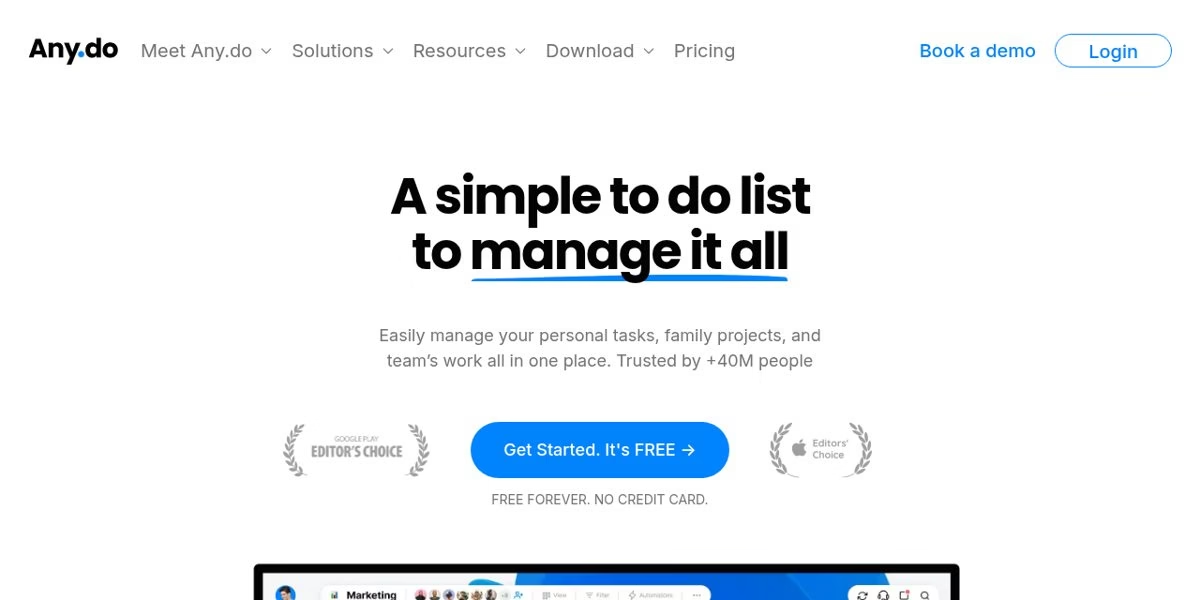
Any.do says it helps you manage personal tasks, family projects and team work in one place, and that it is trusted by more than 40 million people. The homepage says free forever with no credit card required, and highlights collaborative boards, task assignment, automation and integrations with tools such as Slack, Zapier and Gmail.
The testimonials on the page are the vendor’s own selection, so read independent reviews too. It sits between a personal list and a light team tool.
Best for: Families and small teams that want a shared list with automations.
Worth checking: Compare the free tier with paid tiers before you commit.
6. Trello
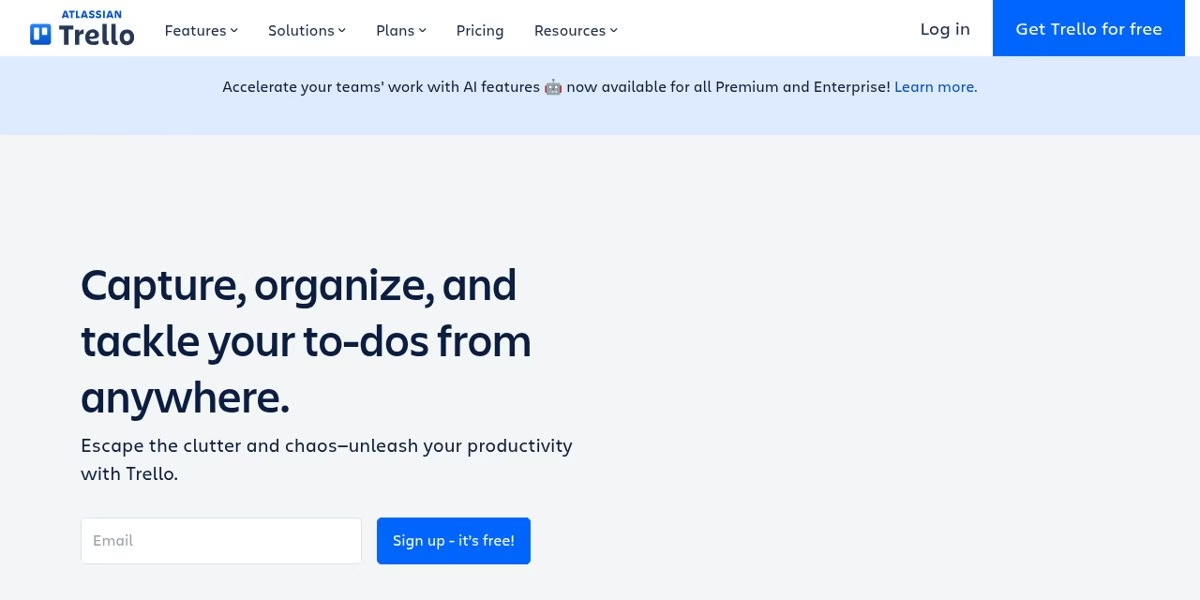
Trello is a board-based tool. Its homepage describes boards for any workflow, an Inbox that captures details from email and Slack, plugins, templates and integrations. If your Todoist use has grown into project boards, Trello is the visual alternative.
We also cover this category in our Trello alternatives guide. The homepage mentions AI features for Premium and Enterprise, so check which plan has the features you want.
Best for: People who think in columns and cards rather than lists.
Worth checking: It is less of a quick personal checklist and more of a board tool.
7. Asana
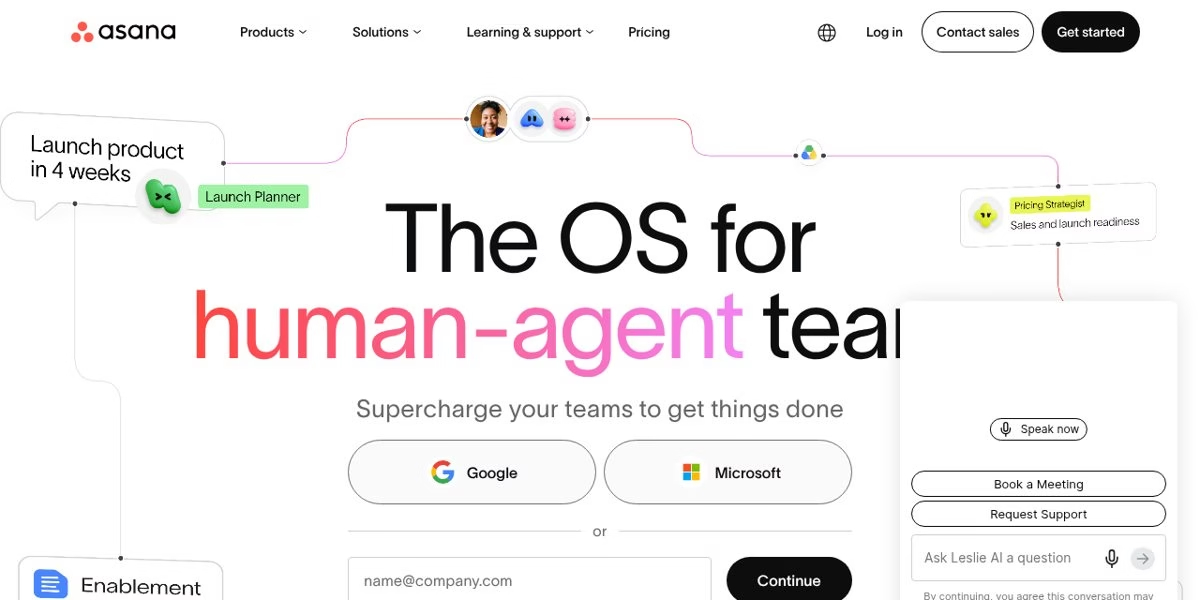
Asana positions itself as work management software for teams and AI agents. Its homepage talks about connecting tasks, projects, goals and dependencies, and says 85% of Fortune 100 companies choose it, which is a vendor claim.
It is a heavy tool if all you need is a personal checklist. It makes sense when your Todoist projects have become team workflows with owners and dependencies.
Best for: Teams that need goals, dependencies and reporting.
Worth checking: Expect a steeper learning curve than a personal task app.
8. OmniFocus
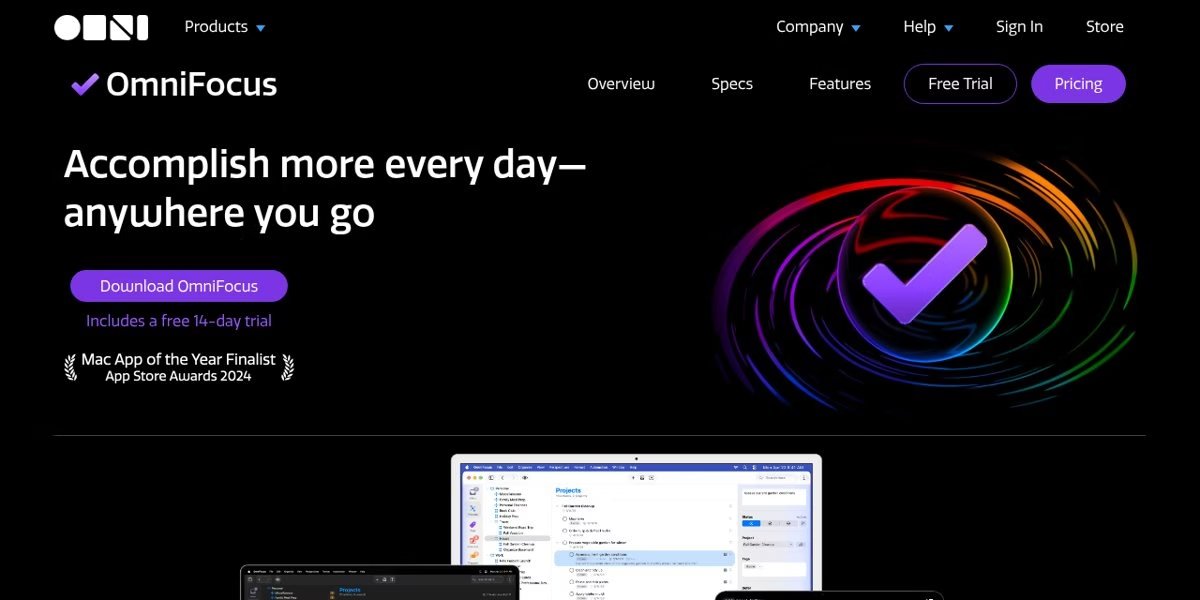
OmniFocus is described as powerful task management software for busy professionals. The page says you purchase or subscribe once for access on Mac, iPhone, iPad, Apple Watch and Apple Vision Pro, and that PC and Android users can use OmniFocus for the Web. It includes a free 14-day trial.
It stresses quick capture with a keyboard shortcut to your Inbox and a system that acts as a second brain. It is built for people who want deep control over how tasks are organized.
Best for: Power users in the Apple ecosystem who want a detailed system.
Worth checking: Check purchase and subscription options on the official site.
9. Remember The Milk
Remember The Milk official site
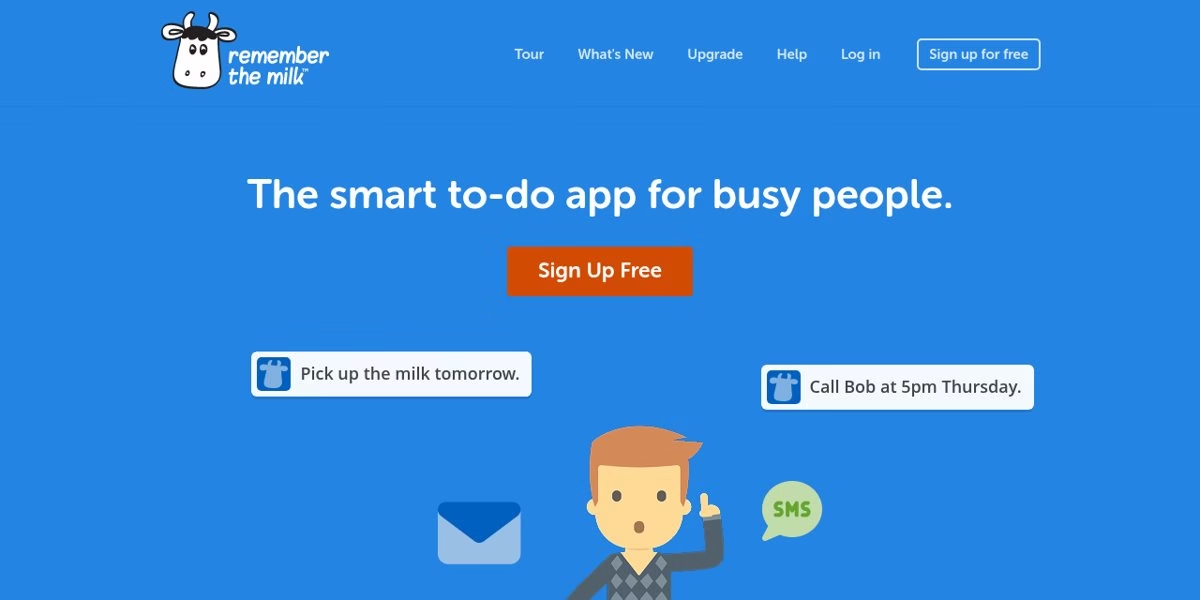
Remember The Milk keeps its pitch short: get to-dos out of your head, get reminded anywhere, share lists and give tasks to others, and stay in sync on all your devices. The page shows plain-language entry such as Pick up the milk tomorrow.
It is a reminder-first tool. If Todoist’s reminders and sharing are what you use most, it deserves a look, but compare its plans on the official site.
Best for: People who want reminders and simple sharing.
Worth checking: The homepage is light on feature detail, so read the plan page.
10. Notion
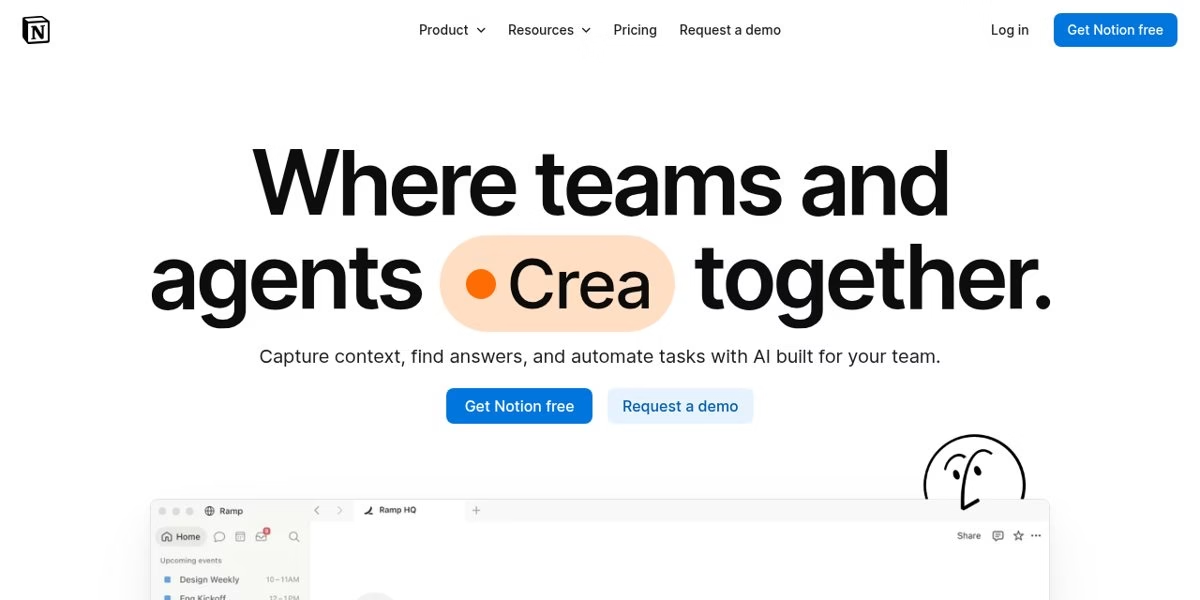
Notion is a workspace for notes, wikis and projects, and it can hold task databases too. Its current homepage focuses on agents that capture knowledge, answer questions and route tasks, which is a vendor description of its AI features.
It is a bigger change than swapping one task app for another, because you also adopt a workspace tool. See our Notion alternatives if you decide it is too much.
Best for: People who want tasks, notes and docs in one place.
Worth checking: It is a workspace first, so expect to design your own task system.
11. Vikunja
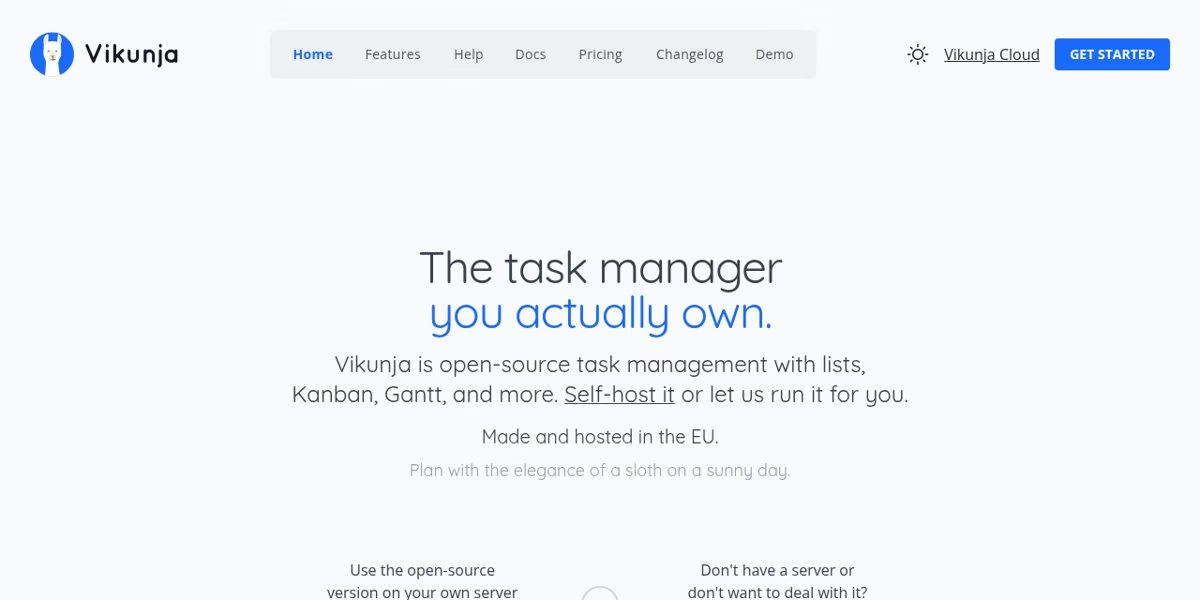
Vikunja is open-source task management with lists, Kanban, Gantt and table views. The site says you can self-host it under the AGPLv3 license or use Vikunja Cloud, and that it is made and hosted in the EU. It also says you can import tasks from Todoist, Trello or Microsoft To-Do.
It is the pick if owning your data matters. Self-hosting means you handle installs and updates, and the cloud version is a paid hosted option according to the site.
Best for: People who want an open-source tool they can self-host.
Worth checking: Self-hosting needs technical comfort and upkeep.
How to choose
- Name the pain. Limits, missing calendar, price, team needs and privacy each point to different tools.
- Check your devices. Things and OmniFocus are built for Apple devices, so they are out for Windows and Android users.
- Check where you already work. Outlook or Gmail users save time with the matching task app.
- Test with real tasks. Move one week of tasks and see which app you open without being reminded.
- Plan the exit. Look for import tools before you commit. Vikunja says it can import from Todoist.
Moving your tasks out of Todoist
Before you switch, decide what to bring: open tasks, recurring tasks and projects are usually worth moving, while old completed items often are not. Move a small project first, confirm that due dates and recurring rules survived, and keep Todoist available until you trust the new tool. Check each vendor for import options, since we have not tested them.
Also see our guides to habit tracker apps and Calendly alternatives for planning your time.
What to look for in a Todoist replacement
People leave Todoist for different reasons: free plan limits, a wish for a calendar, a team tool, or a different platform. Before you choose, decide which of the following matter most to you and judge each alternative against that list, not against a long feature table.
Capture speed
The best task manager is the one you actually use. Test how quickly you can add a task from your phone, from your desktop and from email or another app. If adding a task takes more than a few seconds, you will stop doing it.
Recurring tasks and reminders
Many people leave a tool because recurring tasks or reminders do not behave as expected. Create a task that repeats every second Friday and another that repeats a month after you complete it, then see whether the alternative handles both.
Views and planning
Some apps are lists, some are boards and some are calendars. Todoist’s pricing table lists board and calendar layouts, so check which plan includes the layout you use today, then compare what an alternative gives you at the price you would pay.
Platforms and sync
Check that the tool works on the devices you use. Things and OmniFocus are built for Apple devices according to their sites, Microsoft To Do lists Outlook tasks integration, and Vikunja can be self-hosted. Make sure your daily device is supported before you import anything.
Collaboration
If you share lists with a partner or team, check how sharing works and what it costs. Trello and Asana are built for team work, Todoist has its own Business plan, and a few other tools in this guide offer shared lists on paid plans.
Matching your planning style to a type of tool
Task apps fall into a few families. Picking a family first narrows an overwhelming list of eleven apps to two or three.
Simple lists
If you want a to-do list that stays out of the way, look at Microsoft To Do, Google Tasks, Any.do and Remember The Milk. These keep the focus on capturing and checking off tasks. They suit people who plan their week in their head and need a reliable place to park the details.
Lists with calendar and habits
TickTick combines tasks with calendar views, habits and focus tools, which suits people who like to see their tasks on a timeline. See our TickTick vs Todoist comparison for more detail.
Boards and team work
Trello and Asana organize work around boards, projects and shared responsibility. If you want to see cards move through stages or assign work to others, these fit better than a personal list. Our Trello alternatives guide covers more board tools.
Notes and tasks together
Notion keeps tasks next to notes and databases. It can feel heavy if you only want a checklist, but it works if you want planning and documentation in one place. See our Notion alternatives guide for related tools.
Apple-first and self-hosted
Things and OmniFocus are built for Apple devices. Vikunja is open source under the AGPLv3 and can be self-hosted or used through a paid cloud option. Choose these if platform fit or data control matters more than a large user base.
FAQ
What is the best free Todoist alternative?
There is no single best, because free plans limit different things. Microsoft To Do states you can use it for free, Any.do advertises a free plan, TickTick has a Free tier, and Vikunja is free to self-host. Before you commit, create your real lists and the longest recurring task you use, and check whether the free plan holds them. Read each vendor’s plan page the day you sign up, because limits change.
Which Todoist alternative is best for Apple users?
Things and OmniFocus are built for Apple devices according to their sites. That usually means tighter integration with the Apple ecosystem, but it also means they do not run on Windows or Android, so check that every device you use is supported. If you use both Apple and non-Apple devices, a cross-platform option such as TickTick or Microsoft To Do may be easier.
Which alternative works best with Outlook?
Microsoft To Do lists Outlook tasks integration, which makes it the natural fit if you already work in Outlook. Check how the sync works for your account type, work or personal, and whether flagged emails appear as tasks. If you use Google instead, Google Tasks is built into Google Calendar and Gmail.
Is there an open-source Todoist alternative?
Yes. Vikunja is open source under the AGPLv3 and can be self-hosted or used through a paid cloud option. Self-hosting gives you control of your data, but you maintain the server, back-ups and updates. If you do not want to run a server, use the cloud option and read its pricing page.
Which tool is best for teams?
Trello and Asana are built for team work, and Todoist has its own Business plan with a shared workspace, roles and permissions. Choose based on how your team works: Trello is board-based, Asana organizes projects and goals, and Todoist Business keeps a list-and-project model. Run a two-week trial with a real project before you move a whole team.
How do I move my tasks out of Todoist?
Check Todoist’s help pages for the export options available to your plan, then check the new app’s import options. Move one project first and keep Todoist active for at least a week. Recreate recurring tasks by hand if they do not import cleanly, because recurrence rules differ between apps. Cancel a paid Todoist plan only after your reminders work in the new tool.
Is Todoist worth paying for?
Todoist listed Pro at $5 per user per month, shown as $60 billed yearly, and Business at $8 per user per month, shown as $96 billed yearly, on 6 October 2026. Whether that is worth it depends on the limits you hit on Free: 5 personal projects is tight for many people. If you do not hit the limits, stay free. If you do, compare the yearly price with TickTick Premium at US$49.99 per year and with the free plans of other apps.
Do these tools show prices here?
Only for Todoist and TickTick, taken from their pricing pages on 6 October 2026. Every other vendor changes plans often, so check its own page. We did not test the apps hands-on, and the guide says so.





Leave a Reply