





You can try free reverse-image tools to find where a photo appears online. They may return copies or similar images, not a verified identity. Start with Google Lens or TinEye on your own image or one you have permission to use. Some face-search tools show free previews but charge for source links or reports; no tool guarantees identification.
Quick answer: separate image-copy matching from face recognition and source access. A resemblance is only a lead, and a failed request is not the same as no indexed matches.
9 photo-search tools: free steps and paid limits
Tools differ in what they let you search, preview and open. The checked free-versus-paid grid below separates these stages.
| Tool | Best for | Face search | Free |
|---|---|---|---|
| Google Lens | Everyday reverse image search | Not verified here | Image search; terms apply |
| TinEye | Tracking exact copies of a photo | No | Image search; terms apply |
| Bing Visual Search | Similar images and source pages | Not verified here | Image search; terms apply |
| Yandex Images | Similar images and source discovery | Not verified here | Image search; terms apply |
| Lenso.ai | AI face search and duplicates | Yes | Limited free search; paid source unlocks |
| FaceCheck.id | Facial-match leads, not safety proof | Yes | Paid credits/link access; free limits unverified |
| PimEyes | Deep face search | Yes | Free search, paid plans for full results |
| EyeMatch.ai | Fast face matching without an account | Yes | Free source access not verified |
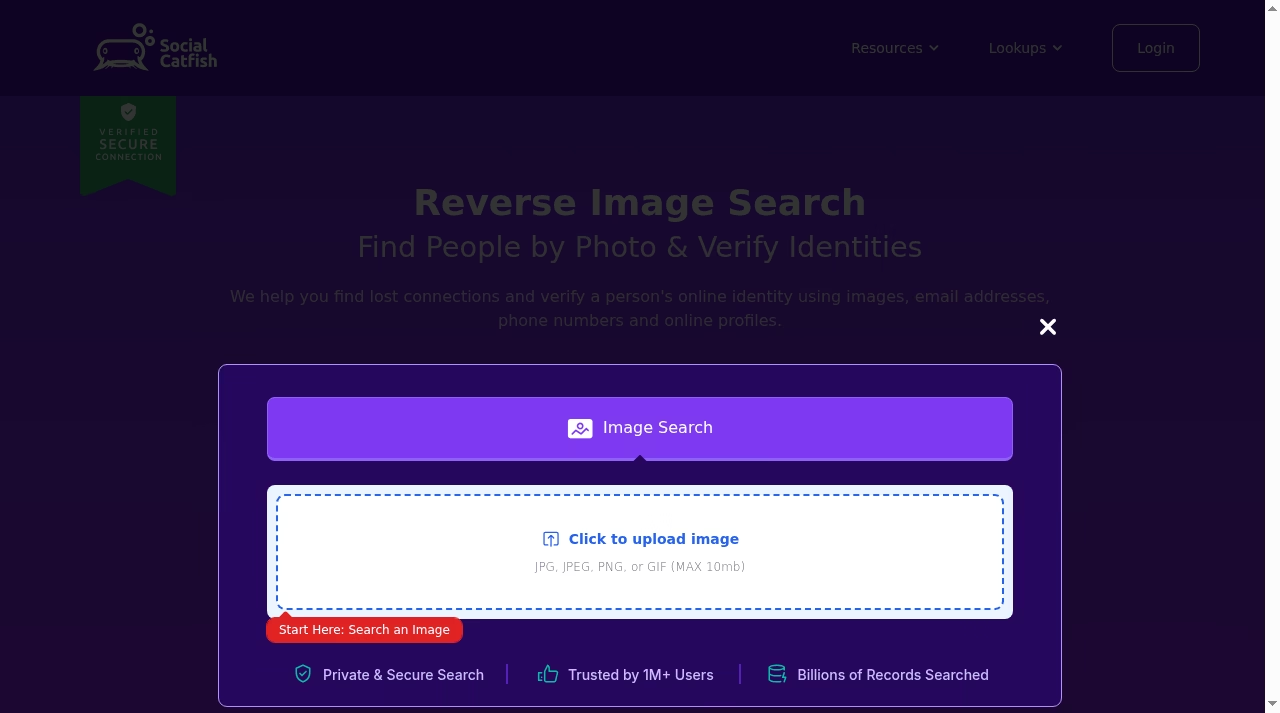
| Social Catfish | Dating and social profile checks | Not verified here | Free scan, paid full report |
1. Google Lens
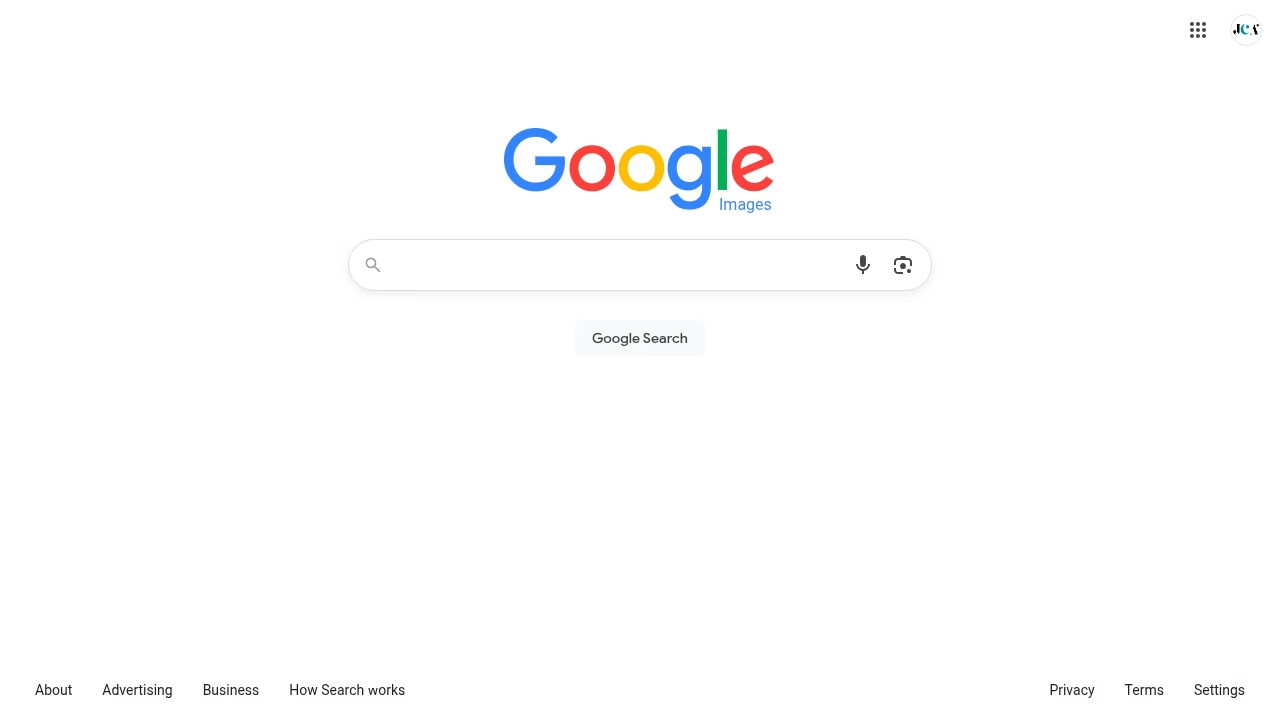
Google Lens is the easiest way to find someone by picture free, and it works on any device. On desktop, go to images.google.com and click the camera icon in the search bar, or open lens.google.com directly. Upload the photo or paste its URL, and Google shows exact matches, visually similar images, and the pages where the picture appears.
On a phone, open the Google app and tap the camera icon, or long-press any photo in Chrome and choose “Search image with Google”. If the person’s photo appears on a public profile, news page, or blog, Lens usually surfaces it in the first few results. It is less precise than a dedicated face search engine, but it is the best free starting point because of how much of the web Google has indexed. If Lens does not find a match, our roundup of Google Lens alternatives for image copies and visual search covers more options.
2. TinEye
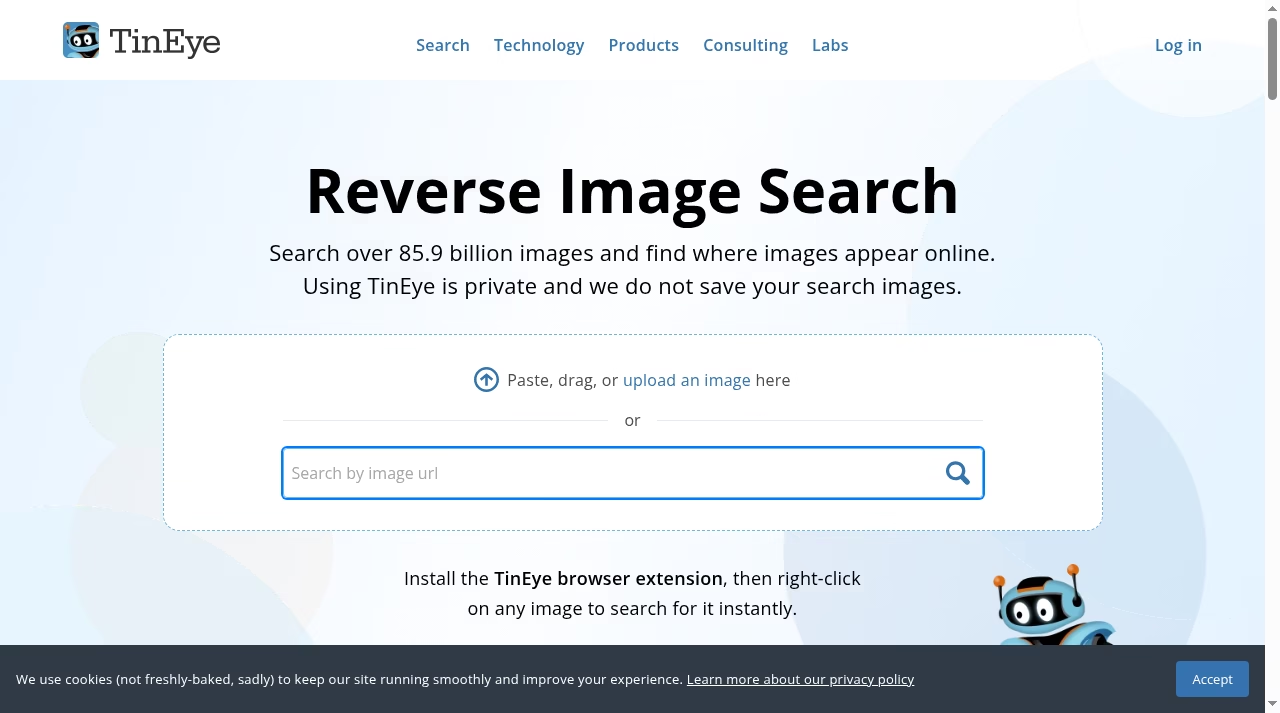
TinEye is the oldest dedicated reverse image search engine and has indexed over 85 billion images. It does not use facial recognition. Instead, it finds exact and edited copies of the same photo, which makes it ideal for tracking where a specific picture has been posted, even if it was cropped, resized, or recolored.
To search, go to tineye.com and paste, drag, or upload the image. TinEye lists every page where the photo appears and lets you sort by newest, oldest, or most changed. It is also private by design: TinEye says it does not save your search images. If you want to find out whether someone’s photo was stolen from another profile, TinEye is the first check to run.
3. Bing Visual Search
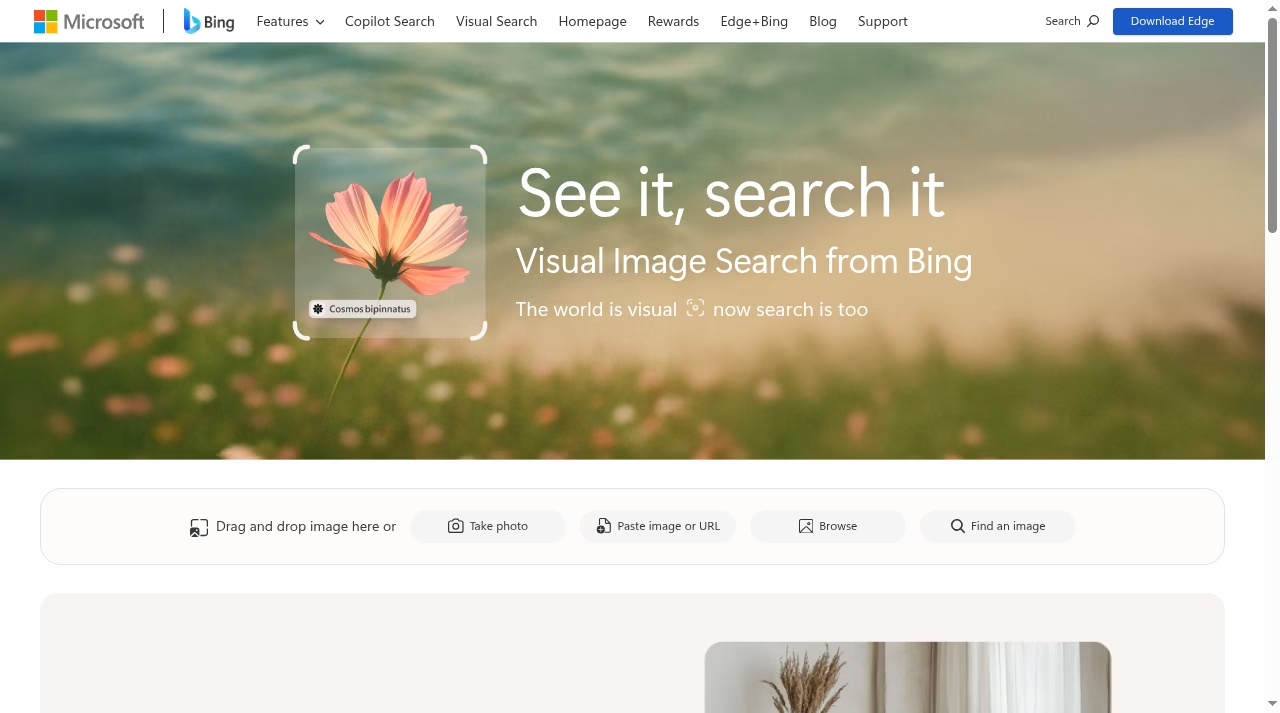
Microsoft’s Bing Visual Search is another completely free way to search people by image. Go to bing.com/visualsearch and drag a photo into the box, paste an image URL, or browse your files. Bing returns visually similar images and the web pages connected to them, and its results often differ from Google’s, so running both doubles your coverage.
Bing Visual Search is particularly good at identifying the source of a photo and finding pages about a person when the image is publicly indexed. It is built into the Bing app and Microsoft Edge as well, so on mobile you can search straight from your camera roll.
4. Yandex Images
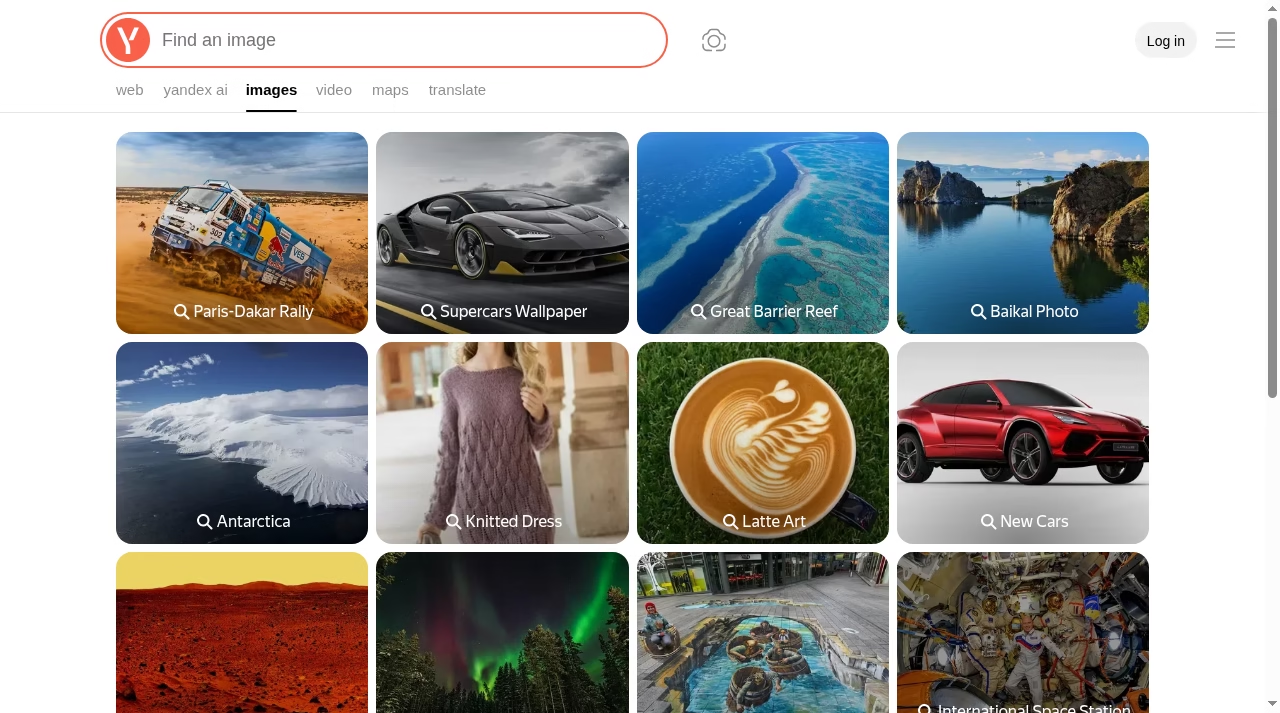
Yandex, the largest search engine in Russia, has long been known for strong face matching in its image search. Go to yandex.com/images and click the camera icon in the search bar to upload a photo. Yandex returns similar images and visually similar faces, and it often finds photos on sites that Google and Bing miss, including forums and regional social networks.
For people searches, Yandex is worth running on every photo even if the person has no connection to Russia, because its similarity matching works differently from Google’s. Results can be mixed in quality, but when other tools return nothing, Yandex regularly turns up a match.
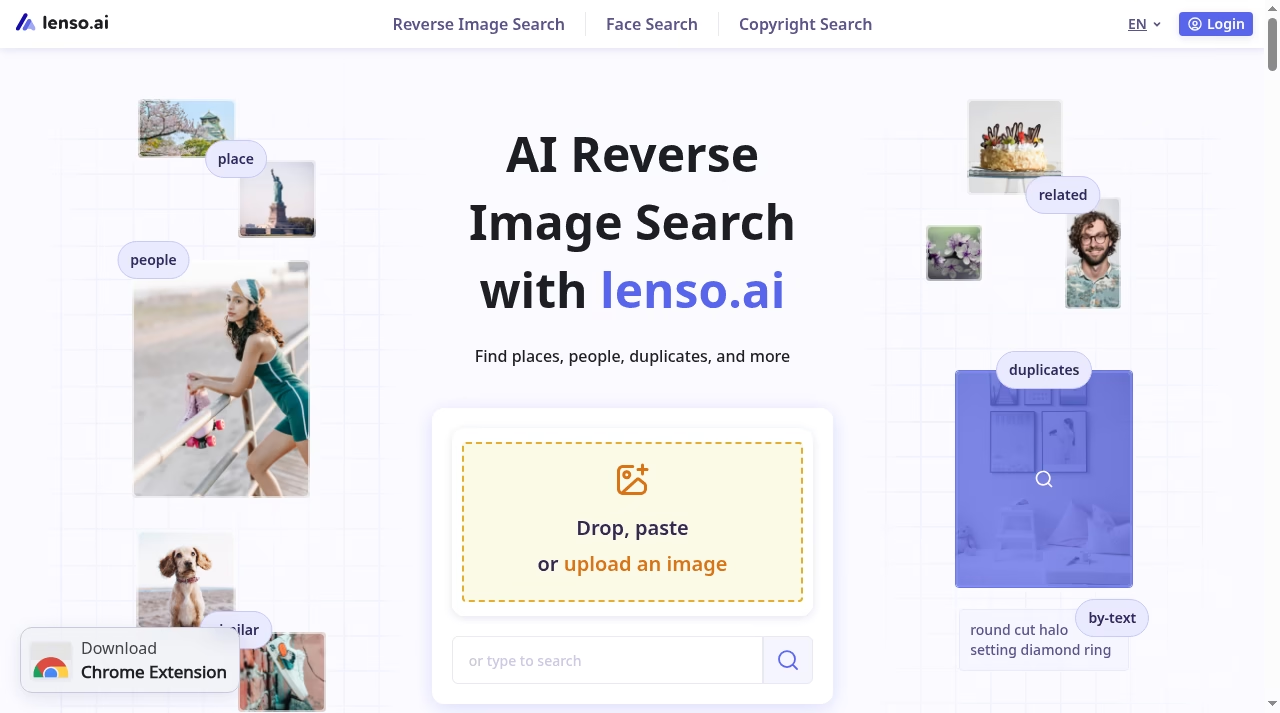
5. Lenso.ai
Lenso.ai is an AI reverse image search engine with a dedicated face search mode. Upload a photo and it groups results into people, places, duplicates, related, and similar images, which makes it easy to separate actual matches of a person from look-alike pictures. Free search has limits; paid plans unlock source links.
To find someone, go to lenso.ai and drop the photo into the upload box. Crop the image to the face if you can, then check the “people” category first. Lenso.ai also finds duplicates of the same photo across sites, so it doubles as a way to trace where a picture was first published.
6. FaceCheck.id
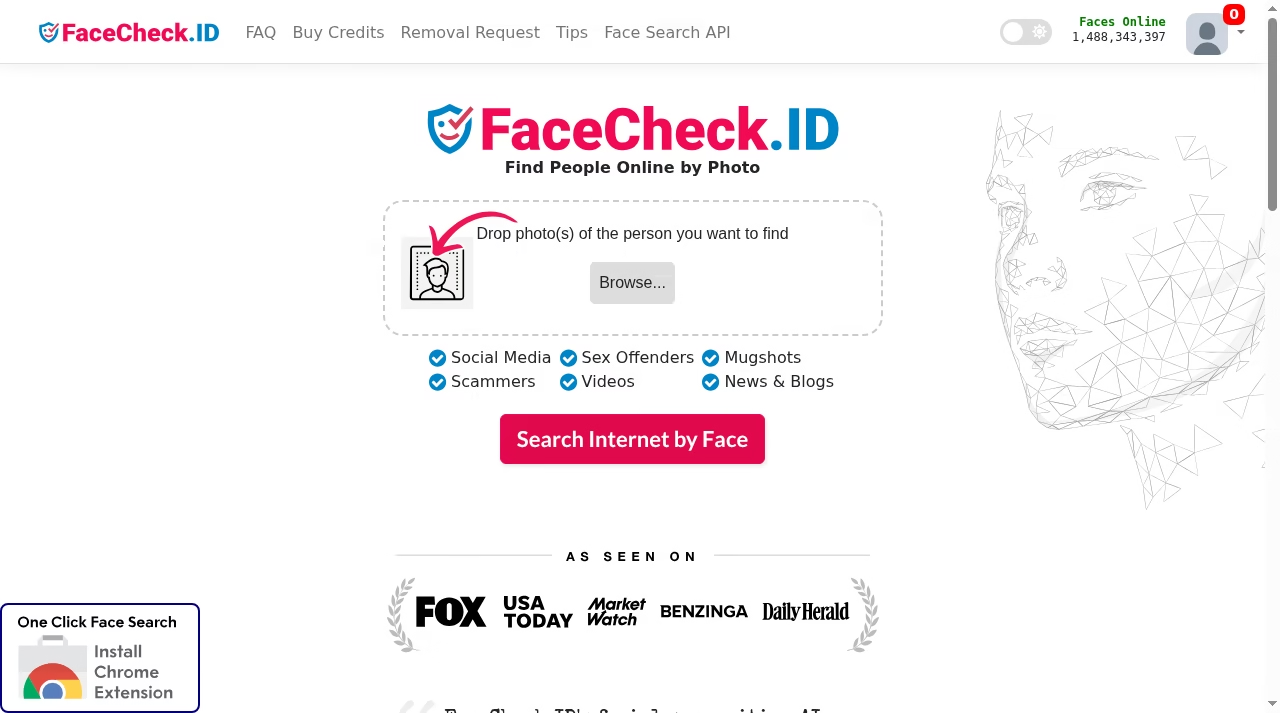
FaceCheck.id is a face search engine built for safety checks. It matches a photo against faces from social media, news sites, blogs, videos, and public records like mugshot and scammer databases. If you met someone online and want to check whether their photo is linked to fraud reports, this is the tool made for that job.
Go to facecheck.id, drop in the photo, and press “Search Internet by Face”. The current purchase page specifies credits per search and link access; free end-to-end access has not been verified. As with any face search, treat matches as leads to verify, not proof of identity.
7. PimEyes
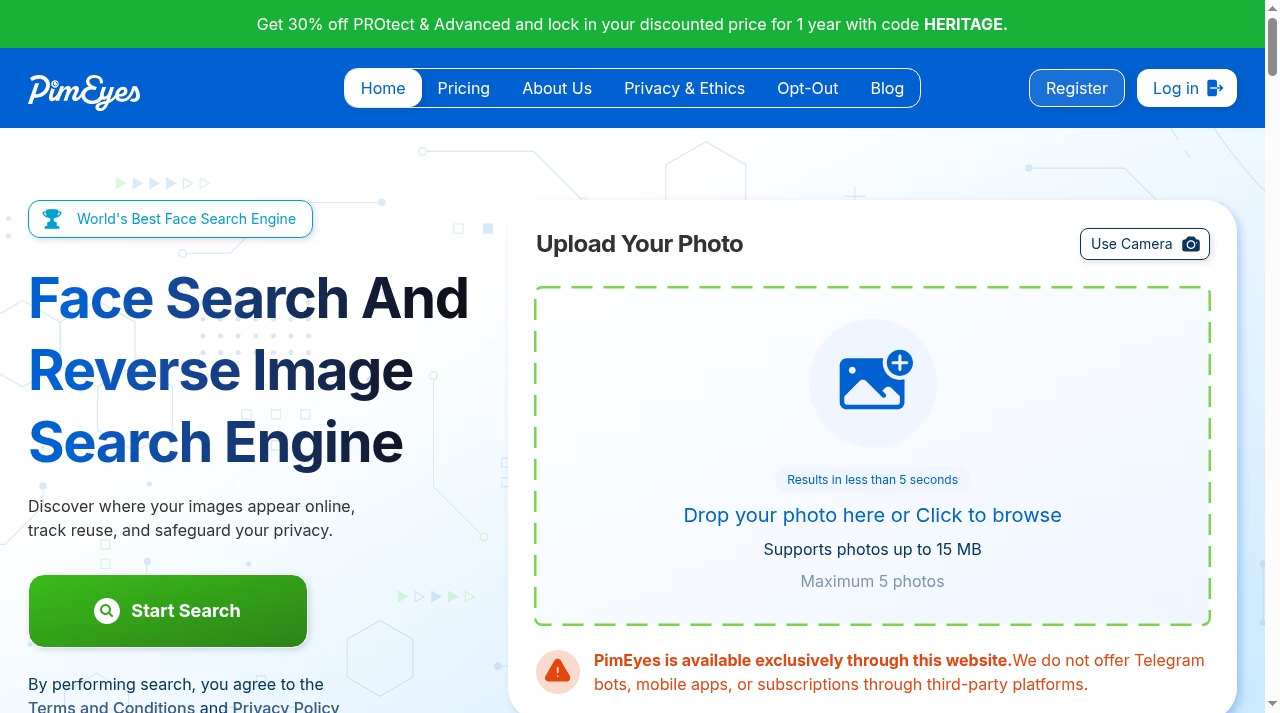
PimEyes is one of the best known face recognition search engines. Upload a photo and it scans the open web for pages where that face appears. The search itself is free and shows where matches were found; viewing full result details requires a paid plan, and the site offers an opt-out if you want your own face removed from results.
To use it, go to pimeyes.com and drop a clear, front-facing photo into the upload box. PimEyes works best with unedited photos where the face takes up most of the frame. It is a paid-first service, but a free preview may show possible matches but cannot establish identity or comprehensive online coverage.
8. EyeMatch.ai
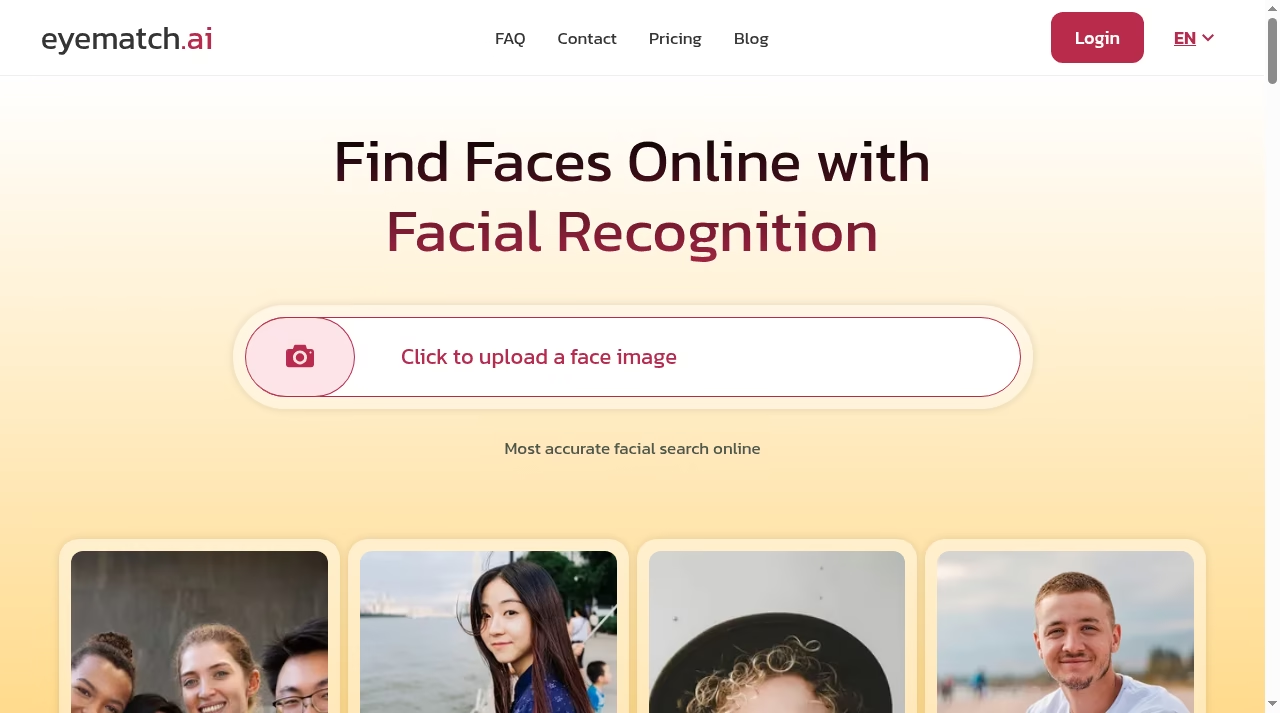
EyeMatch.ai describes facial-feature comparison against publicly available photos. Its current free end-to-end source access has not been verified here. Treat results as possible leads, not proof of identity.
EyeMatch.ai is a good second opinion alongside Lenso.ai and PimEyes, because each face search engine indexes different corners of the web. For best results, use a sharp, front-facing photo without filters.
9. Social Catfish
Social Catfish is built for verifying online identities, especially dating profiles. Its reverse image search checks a photo against social media profiles, forums, and public records. The free image search tells you whether matching profiles exist; viewing the full report with names and linked accounts requires a membership.
Go to socialcatfish.com/reverse-image-search, click “Search an Image”, and upload the photo. If you suspect a dating profile is fake, a match here often connects the photo to its real owner or to known scam reports.
How reverse image search finds people by photo
Reverse image search flips the usual search around: instead of typing words, you give the engine a picture and it finds matching or similar pictures across its index. Two different technologies do the matching. Exact-match engines like TinEye compare the image file itself, so they find copies even after cropping or resizing. AI-based engines like Google Lens, Lenso.ai, and PimEyes analyze what is in the image, including facial features, so they can find different photos of the same person.
That difference matters when you search people by image. If you have one specific photo and want to know where it was posted, an exact-match engine is enough. If you want to find other photos of the same person, you need a face search engine.
Other ways to find someone with a picture
If reverse image search comes up empty, the photo may simply not be indexed anywhere public. A few manual routes still work:
- Social media search. On Facebook, Instagram, and LinkedIn, search the person’s name or details you already know and compare profile photos. Cropping the picture to the face and running it through Google Lens with the platform name added, for example “site:linkedin.com”, sometimes surfaces the profile.
- Dating profile checks. If the photo comes from a dating app, download it and run it through TinEye and Social Catfish. Scammers reuse stolen photos, and both tools catch reused images well.
- Image communities. Photos that circulate as memes or wallpapers often appear on Pinterest or Reddit. Pinterest’s built-in visual search (the magnifier icon on any pin) finds visually similar pins, which can lead back to the original source.
Tips to get better matches
- Use the clearest, highest-resolution version of the photo you have.
- Crop the image to just the face for face search engines.
- Avoid screenshots with chat overlays, stickers, or heavy filters.
- Run the same photo through at least three tools; every engine indexes different sites.
- Try more than one photo of the person if you have them.
- Cross-check every match before assuming it is the right person. Similar faces are not proof of identity.
Read also: Can I Use Images From Google On My Blog? and Best Android Apps To Convert Images To Text
A quick note on privacy and respect
Laws, service terms and permitted uses vary. Search your own or permitted images, avoid sensitive material, and do not stalk, harass or impersonate anyone. A public image or resemblance does not authorize exposing personal details.
FAQ
Can I find someone from a picture for free?
Free image searches may find copies or source-page leads. Face-search previews, full source links and identity reports have different limits and may require payment. None guarantees finding or identifying a person.
What is the best free tool to find someone by picture?
Start with an image-copy or visual-search tool suited to your task, then check any source page. Our one-landscape sample does not establish which service is best at finding people.
Why do I get no results when I search people by photo?
Usually because the photo is not publicly indexed. Private social media profiles, messaging apps, and dating apps block search engines from crawling their images. Try a different photo, crop to the face, or use the manual social media methods above.
Can I find someone’s social media profiles with a photo?
Often, yes. If the person uses the same photo on a public profile, Google Lens and face search engines like FaceCheck.id and Social Catfish can link the picture to those accounts. Fully private profiles will not appear in any search engine.
Is it legal to search someone by their picture?
Searching publicly available images is legal in most countries. Some regions restrict facial recognition services, which is why certain face search tools limit access by location. Using results to threaten, defraud, or stalk someone is illegal everywhere.
What “free” means: search, preview and source access
Checked October 3, 2026. A free upload or match preview is not the same as free source links, an identity report or proof of who someone is. Reverse-image matching finds copies or similar images; face recognition compares facial features. Neither guarantees identification. Search only your own images or images you have permission to use, and verify any lead independently.
| Tool | Free step and boundary | Source / limit |
|---|---|---|
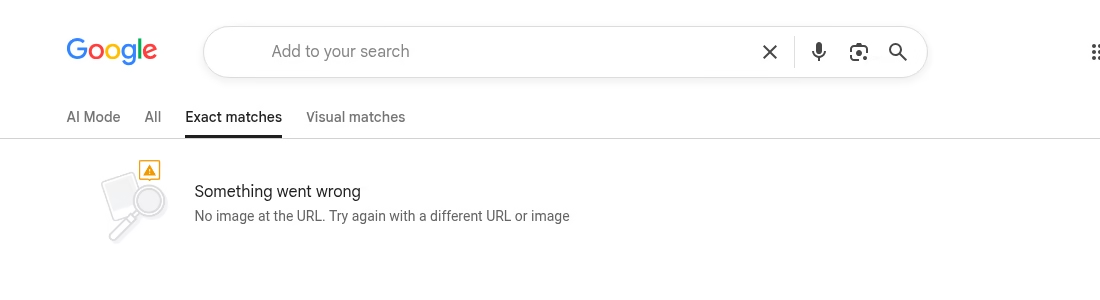
| Google Lens | Image search can return similar images and websites. No identity report or identification guarantee. | Google instructions. URL retrieval can fail, as it did in our sample below. |
| TinEye | Our single resized-image upload returned accessible source links without payment. It finds image copies, not different photos of the same person. | TinEye instructions; volume/commercial use has separate terms. Provider says uploads are not saved/indexed. |
| Bing Visual Search | Searches similar images and pages using an image. No verified identity report. | Microsoft instructions. Documentation checked, not tested here. |
| Yandex Images | Accepts uploads/URLs for similar images and full versions. Do not treat resemblance as identity. | Yandex instructions. Documentation checked, not tested here. |
| Lenso.ai | Free search has limits; paid plans unlock source links. A preview alone may not answer where an image appears. | Official pricing/features. No paid unlock tested. |
| FaceCheck.id | Do not describe it as unlimited or wholly free: the purchase page specifies credits per search and link access. | Official credits page. Free end-to-end source access not verified. |
| PimEyes | Free searches show that matches exist; full/source access is limited and can require payment. | Official FAQ. A match is not proof of identity; no paid unlock tested. |
| EyeMatch.ai | The homepage describes face matching, but we have not verified free end-to-end source access. | Official site. Do not promise a free identification result. |
| Social Catfish | Provider says free search shows whether matches exist; its full report requires membership. | Official feature page. Public-record report claims are vendor claims, not verified accuracy. |
A real reverse-image sample, with its limits
We used Fronalpstock big.jpg by Hannes Röst, a landscape licensed under CC BY-SA 3.0, not a person’s face. The upload copy was resized to 1,600 pixels wide. This is a one-image check of image/source matching, not a face-identification benchmark. No private photo, identity report or paid plan was used.
TinEye: the original 10,109-pixel-wide image URL was rejected by its size limit. A resized JPEG upload returned 36 results in this session, including the Wikimedia source page, which we opened and checked. Its “first indexed” date is not necessarily the photo’s creation date or first-ever publication.

Google Lens: the image-URL route reached the Exact matches view but returned “Something went wrong – No image at the URL.” This is an input-retrieval failure, not evidence that the image has no web matches. The upload route did not produce a completed Lens source-match result in our session. We do not claim a successful Lens test or compare its recall with TinEye.
What to do when there is no useful result
Check whether the service rejected the file, finished searching, or returned no indexed matches. Try an allowed image size or a permitted crop, then a different image-copy engine. Cropping changes what can match. Do not infer that a person is fake, absent from the internet or the owner of a similar face from the result count.
Privacy comes before the upload
Avoid identity documents, children, private medical images and other sensitive photos. Read the service’s current terms and retention controls before uploading. A site’s public web index does not establish permission for every use, and a free tier does not make uploading harmless. Laws and permitted uses vary. Do not use these tools to stalk, harass, make employment/credit decisions or expose someone’s personal details.








Leave a Reply