


An app builder no longer means one kind of tool. Some products offer visual screens and databases; others turn a prompt into code; still others are coding agents or editors that help a developer create software. This updated guide keeps 50 currently available options, including Lovable, v0, Cursor and Google Antigravity, but separates them by workflow. A coding assistant is not the same thing as a no-code app builder, and a website creator is not automatically a native mobile app maker.
How we selected these tools: we reviewed official vendor pages in September 2026, removed retired or duplicate products, and grouped 50 options by the workflow they support. This is desk research, not hands-on testing or a scored ranking. Product access, features, prices and limits can change. Images show vendor pages or vendor-provided visuals, not a finished app built by us. Check current terms and test a representative project before choosing a plan.
Quick answer: Choose app-building software by the output you need. For a visual iOS or Android project, compare FlutterFlow, Adalo and Thunkable. For a prompt-built web application with code handoff, evaluate Lovable. For a business app based on forms, records and permissions, compare the data-first builders below. There is no single best app maker for all of these jobs. A free builder account is a way to test the workflow, not a promise of free production hosting or app-store publishing.
App builder, app maker or app-building software: what is the difference?
These terms often describe the same goal: turn an idea into an application. The useful distinction is how the tool works. A visual no-code app builder lets you configure screens, data and actions. A low-code platform also allows custom code. A prompt-first builder generates an application from instructions, but the resulting code still needs review. A coding assistant helps someone work inside a software project; it is not automatically a beginner-friendly app creator.
Before comparing brands, write one sentence about your output: a public website with accounts, an installed mobile app, a staff dashboard or a member community. Then list the hardest three requirements. Examples include working offline, preventing one customer from reading another customer’s records, or connecting an existing database. A tool that makes a convincing homepage may still be wrong for those requirements.
How to choose a mobile app builder for iOS and Android
A responsive web app runs in a browser. A progressive web app adds browser-based installation and related capabilities. A native mobile project has a platform-specific build and publishing route. Those outputs should not be treated as interchangeable. Confirm the route you need before choosing the easiest-looking editor.
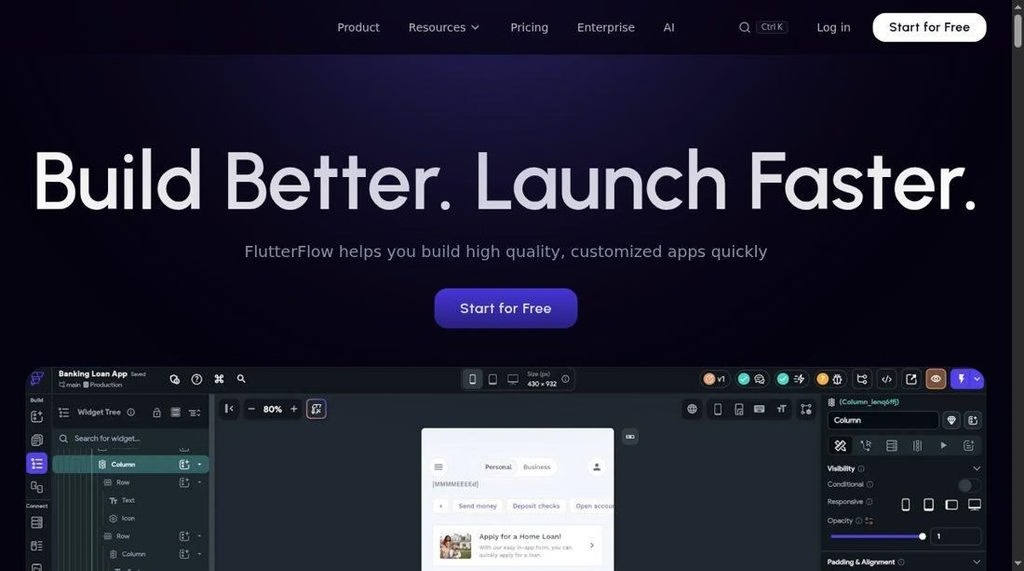
- FlutterFlow: Its current plan comparison lists mobile, web and desktop building on Free, with code download, APK download and app-store deployment on Basic. Growth adds GitHub integration. Its Apple deployment guide describes the App Store Connect setup and release steps. It is a candidate when visual development and a code handoff both matter, but you still need someone to own the backend and release process.
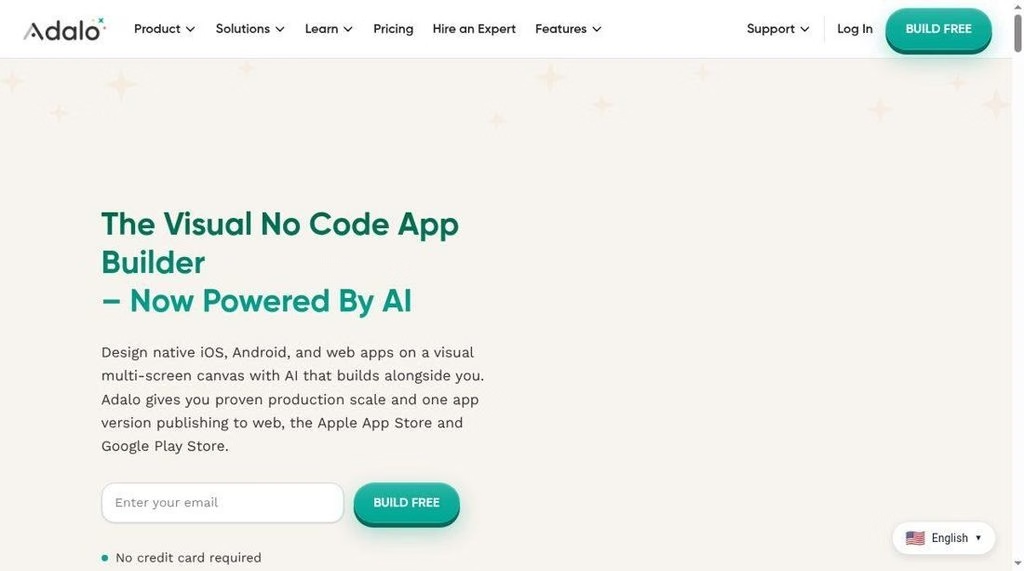
- Adalo: The official product page describes one project for native iOS, Android and web apps, with a hosted database. Its pricing page separates free building and testing from paid app-store publishing. It is worth comparing for a database-driven app where an integrated editor and backend suit the project. Verify data access rules and the exit path before committing.
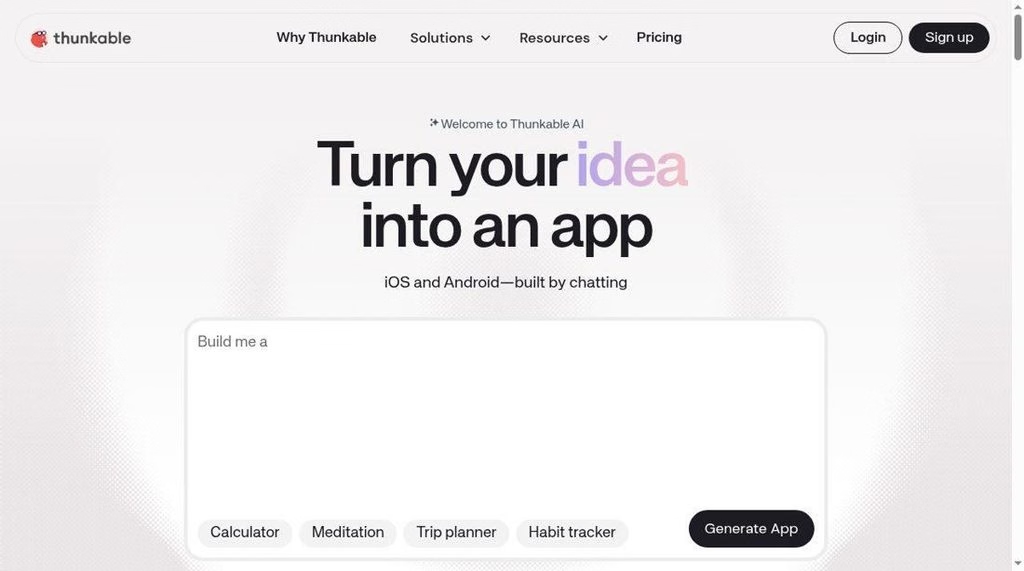
- Thunkable: Its product page describes native mobile publishing, while its plan terms explain active-app limits and subscription requirements. The Free plan does not include private projects. New-plan published apps can become unavailable if the subscription expires; legacy Pro or Business plans have different terms. Check the terms of the exact plan you would buy.
For a social product, also compare our no-code social app builders guide. Profiles and posts are only the start: blocking, reporting, moderation, consent and account deletion need a place in the first release.
What does a free no-code app builder actually include?
Separate free design, free testing and free publishing. A vendor may let you create screens at no charge but require a paid plan for private projects, custom domains, code download, production users or an app-store build. “Free app maker without coding” therefore needs a more specific question: can you prototype for free, or can you operate the finished application for free at your expected usage?
| Builder | Free start | Important next check |
|---|---|---|
| FlutterFlow | Build and test; Free lists web publishing and up to two projects. | Code/APK download and app-store deployment are paid-plan features. |
| Adalo | Free lists unlimited test apps and 500 records per app. | Paid plan for native store publishing; check app and editor limits. |
| Thunkable | A free starting plan. | No private projects on Free; check ongoing subscription and active-app rules. |
| Softr | Its pricing page describes a free-forever plan with a limited usage allowance. | Count app users, data limits, permissions and any AI-credit needs. |
Do not assume an editor subscription covers every operating cost. Your app may also need a domain, database, email or SMS service, file storage, payment processing and developer accounts. Compare the cost of a small live project and a busier project. If a usage-based plan is involved, ask what happens at the limit: an overage charge, a disabled feature or a stopped application.
A practical test for easy app-building software
“Easy” should mean that you can maintain the finished app, not merely generate its first screen. Try the same small project in two builders. Use fictional records rather than real customer data. Create an account, submit a form, edit one record, show a filtered list and connect one necessary external service. Then change a field name and repair the affected screens. That last step often tells you more about the working process than a polished template.
Check the roles separately. Sign in as two different test users and confirm each sees only the records they should see. Test a denied request, a failed network connection and an empty result. For a mobile project, check the relevant permissions, layout, navigation and device behavior. These are proposed evaluation steps, not tests we have performed on the tools in this article.
Write down what you needed to understand to fix a problem. If every change requires unfamiliar code or an outside developer, the platform may still be useful, but it is not a no-code maintenance workflow for your team. If the requirements exceed a builder’s scope, compare mobile app outsourcing delivery models rather than forcing the product into a template.
Code ownership, data export and the exit plan
Source-code export, a downloadable mobile build and a CSV of your records are three different things. A store-ready app file does not mean you can rebuild the project without the vendor. A code download does not automatically include a working replacement database, authentication service or hosting setup.
Lovable’s GitHub documentation describes exporting and synchronizing project code, working locally and deploying outside Lovable. FlutterFlow’s export documentation describes downloading project code and handling assets and branches. These are useful handoff routes, but a developer should still check the dependencies and deployment work for the application you create.
Before a long subscription, document who owns the domain, store accounts, repository and database. Ask what remains usable after cancellation and how long you have to export data. Keep a backup outside the application where the vendor permits it, and test a small export before the project holds important records. For automation-heavy projects, our automation tools comparison helps separate the app interface from the systems that move data behind it.
Quick choices by project
For a prompt-first web app prototype, compare Lovable, v0, Bolt.new, Replit, Base44, Emergent and Hostinger Horizons. For a visual mobile app, start with FlutterFlow, Adalo, Thunkable, Draftbit, Bravo Studio, BuildFire or GoodBarber. For an internal app on business data, compare Glide, Softr, AppSheet, Power Apps, Retool, Noloco, UI Bakery and the open-source low-code tools. If you already maintain code, Cursor, Antigravity, Jules, Claude Code, Codex, Copilot, Tempo and Devin belong in a separate evaluation of developer tooling. For more context, compare our mobile app development tools guide and low-code applications overview.
What to check before you commit
Make a small sample app with the hard parts, not just the welcome screen. Test authentication, permissions, data export, integrations, deployment, accessibility, mobile behavior and the amount of manual repair a generated change takes. Find out whether publishing requires an app-store account, a paid workspace, a hosted runtime or a developer. A fast demo can hide ongoing hosting costs or an architecture your team cannot support. Our guides to mobile app tech stacks for startups and choosing a business tech stack help frame those decisions.
Compare 10 app builders by output, limits and ownership
These are representative options across four different workflows, not the ten highest-scoring tools. “Web” means a browser-delivered app; a progressive web app (PWA) is not the same as a native iOS or Android app. The plan notes below summarize vendor documentation checked in September 2026, not a hands-on test or a price quote. Follow the linked product documentation and check your own account before paying or publishing.
Table tip: scroll sideways to see the publishing column. Read the vendor links before choosing a plan.
| Builder | Output | Plan or usage limit to check | Code handoff | Publishing and hosting |
|---|---|---|---|---|
| Lovable | Web app | Free start; build and Cloud usage use credits. | GitHub sync on all plans; direct codebase download on paid plans. | Lovable Cloud or deploy synced code elsewhere. |
| v0 | Web UI and app | Free tier includes monthly credits; extra use and teams vary by plan. | GitHub-backed project and branch workflow. | Publishes to a Vercel project. |
| Bolt.new | Web app | Free plan has daily and monthly token caps. | GitHub sync; code can be worked on outside Bolt. | Bolt hosting on a bolt.host address; paid custom domains. |
| Replit | Web app and code workspace | Starter publishes one app; Agent and deployment resources vary by plan. | Git and GitHub import, edit and push. | Replit publishing on all plans, with plan-dependent capacity. |
| Bubble | Web and native mobile | Build free; live mobile deployment needs a paid plan; workload usage matters. | No application source-code export; moving away means rebuilding logic. | Apps run on Bubble hosting. |
| FlutterFlow | Web, iOS and Android | Free build and web hosting; code download and device testing require paid plans. | Flutter source-code download on paid plans. | FlutterFlow web hosting or deploy exported code; app-store deployment options vary by plan. |
| Adalo | Web and native iOS/Android | Free test apps; custom-domain and app-store publishing require a subscription. | Source-code export not verified in the vendor docs reviewed. | Adalo web publishing or app-store submissions on eligible plans. |
| Glide | Web/PWA, not native app-store output | Free plan for learning; published apps, users and updates vary by plan. GlideOS and Glide Classic have separate plans. | Source-code export not verified in the vendor docs reviewed. | Share a Glide web link; direct App Store/Play publishing is not supported. |
| Softr | Web app; PWA on eligible plans | Free tier has app-user limits; PWA needs Professional or higher. | Source-code export not verified in the vendor docs reviewed. | Publish on Softr; PWA is not native app-store publishing. |
| Google AppSheet | Data-driven mobile and web app | Prototype with up to 10 test users at no cost; deployment needs suitable user licenses. | Source-code export not verified in the vendor docs reviewed. | AppSheet cloud service; branded store apps have a separate build and approval path. |
Before committing, check data export separately from source-code export. A vendor allowing CSV downloads does not mean it gives you the generated application code. Also check any third-party database, hosting, domain and app-store account costs for your actual project.
The number 50 describes breadth, not a ranking of best-to-worst or an endorsement of every product for every reader. We excluded products that are no longer practical starting points, including Builder.ai and Firebase Studio. Google says new Firebase Studio workspaces cannot be created and has announced its sunset for March 22, 2027.
Prompt-first AI app builders
1. Lovable
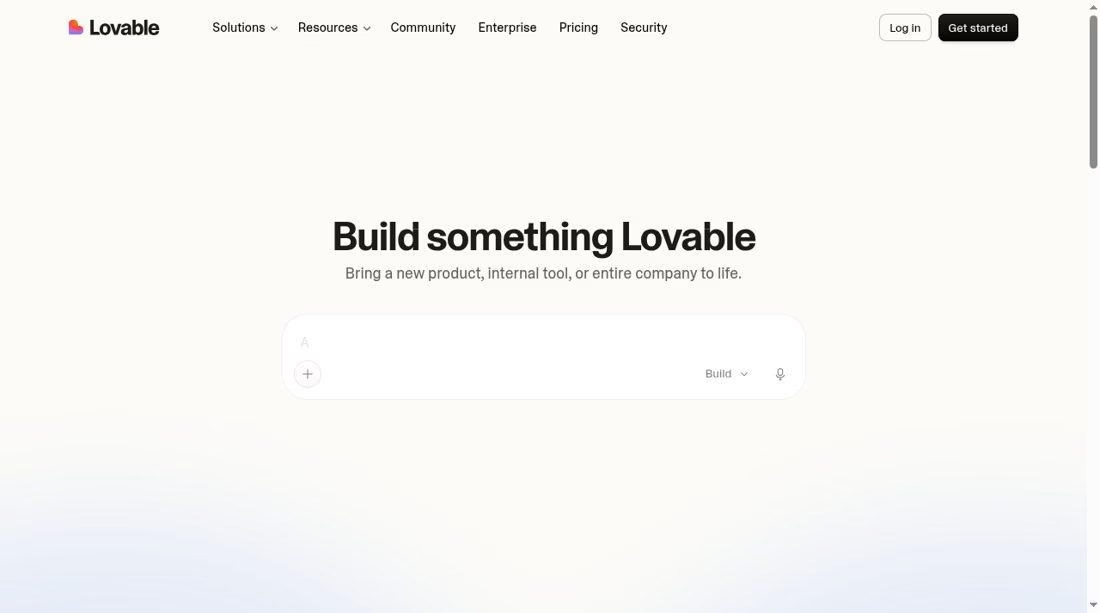
Category: AI prompt-to-app. Describe a web app in natural language and iterate in a browser-based builder. Lovable is a good starting point for founders who want a visible prototype before committing to a custom engineering workflow.
Watch for: Check authentication, database rules and the exported project before using generated code for real customer data.
Visit the official Lovable site
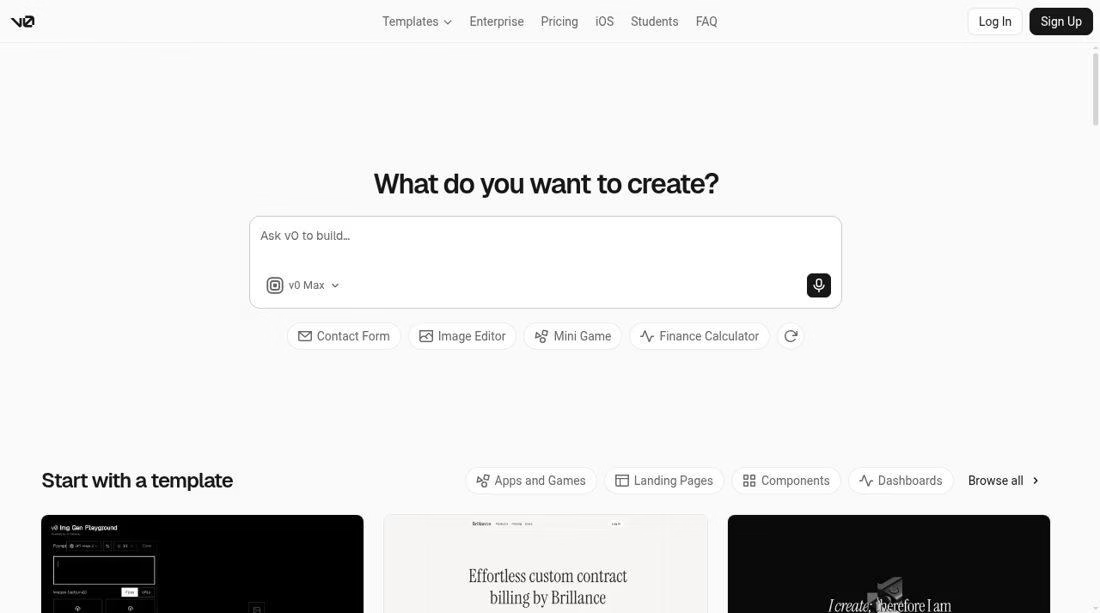
2. v0 by Vercel
Category: AI prompt-to-app. Vercel’s v0 starts with a prompt and produces interfaces and web applications. Its template and design-led flow makes it particularly useful when the first challenge is getting a polished front end into a working project.
Watch for: Treat a generated screen as a beginning; test backend behavior, deployment and accessibility separately.
Visit the official v0 by Vercel site
3. Cursor
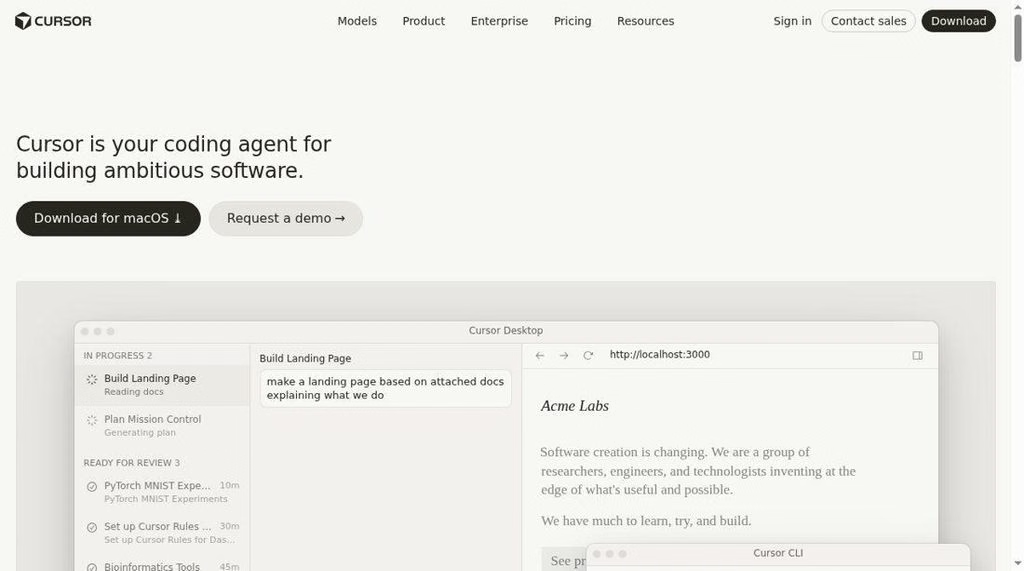
Category: AI coding environment. Cursor is an AI-focused code editor and agent for developers working in an existing codebase or starting one. It is a better fit for someone comfortable reading and reviewing code than for a purely visual no-code workflow.
Watch for: Check agent edits and tests rather than assuming generated changes are safe to merge.
Visit the official Cursor site
4. Google Antigravity
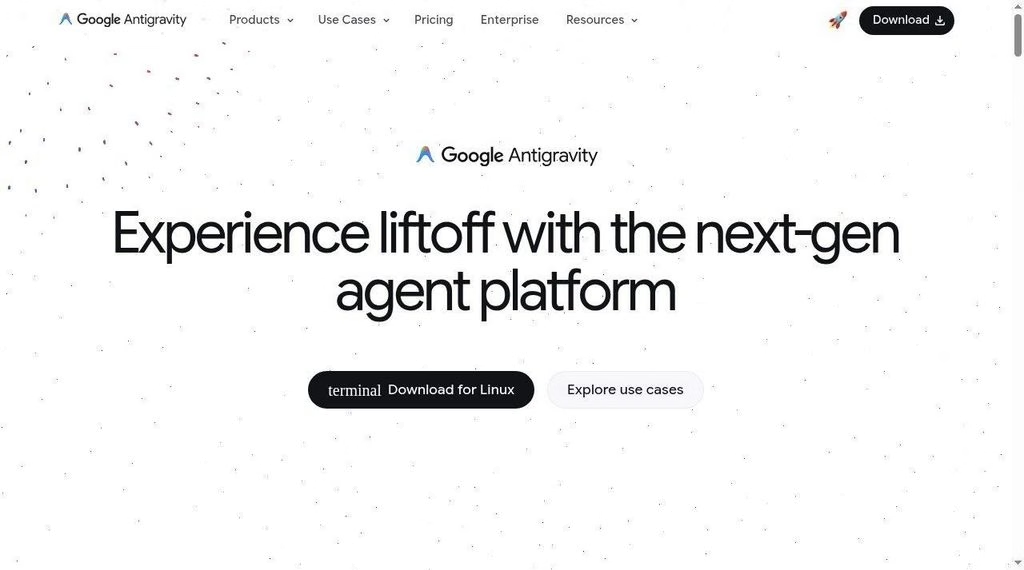
Category: AI coding environment. Google Antigravity presents an agent-first development environment for building software. It belongs with AI coding environments rather than drag-and-drop app makers, and suits a developer who wants agents inside the build loop.
Watch for: Verify current availability and account access in your region, then review code and deployment choices.
Visit the official Google Antigravity site
5. Bolt.new
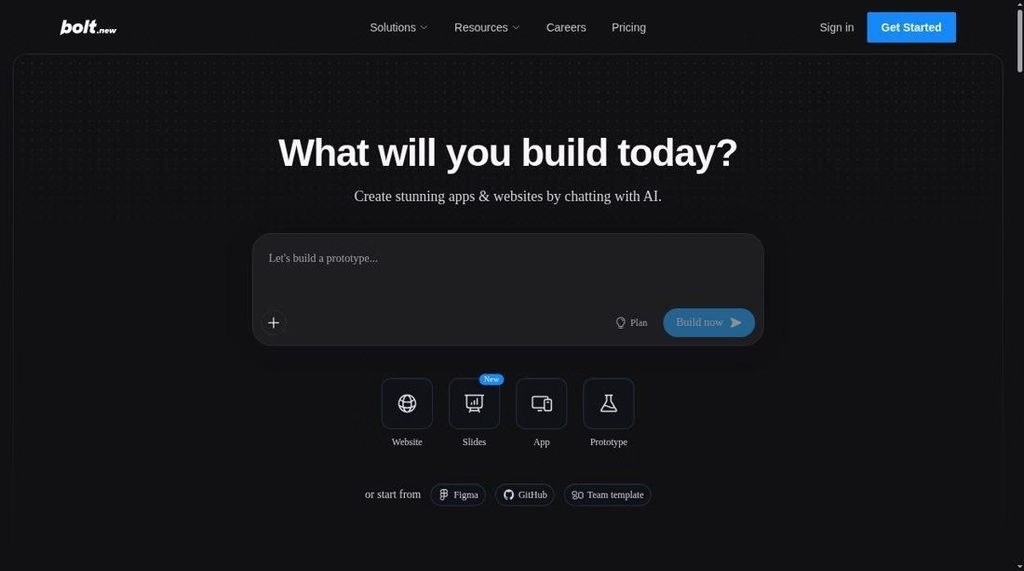
Category: AI prompt-to-app. Bolt.new turns prompts into web apps and prototypes in a browser. It is useful for testing a concept quickly without first configuring a local development environment.
Watch for: A fast prototype still needs a security, data and production-readiness pass.
Visit the official Bolt.new site
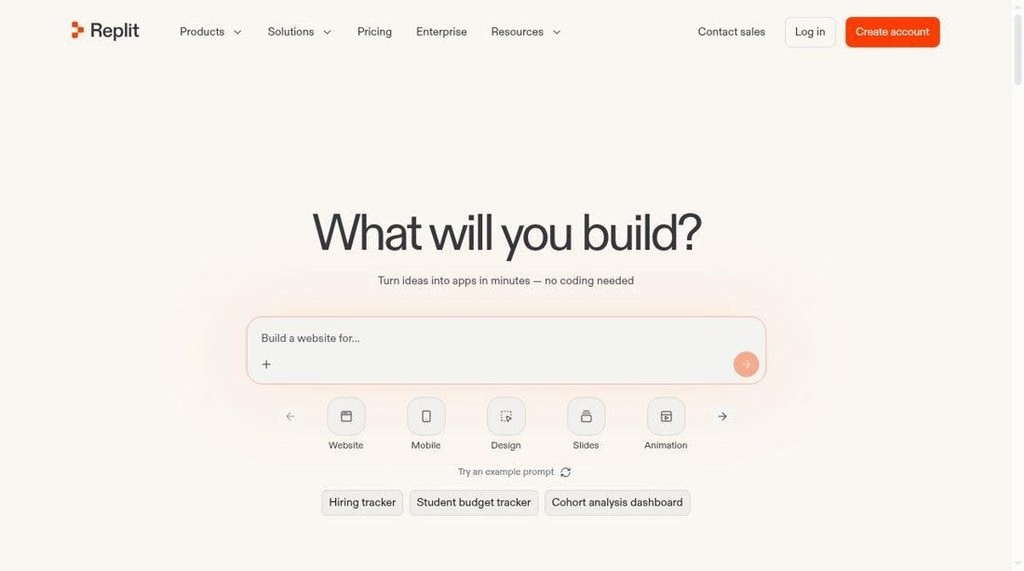
6. Replit Agent
Category: AI prompt-to-app. Replit offers browser-based app creation with an agent alongside its development environment. It can suit a maker who wants to prompt, inspect the code and keep iterating in one place.
Watch for: Check where your app runs, how it is deployed and which parts require developer maintenance.
Visit the official Replit Agent site
7. Base44
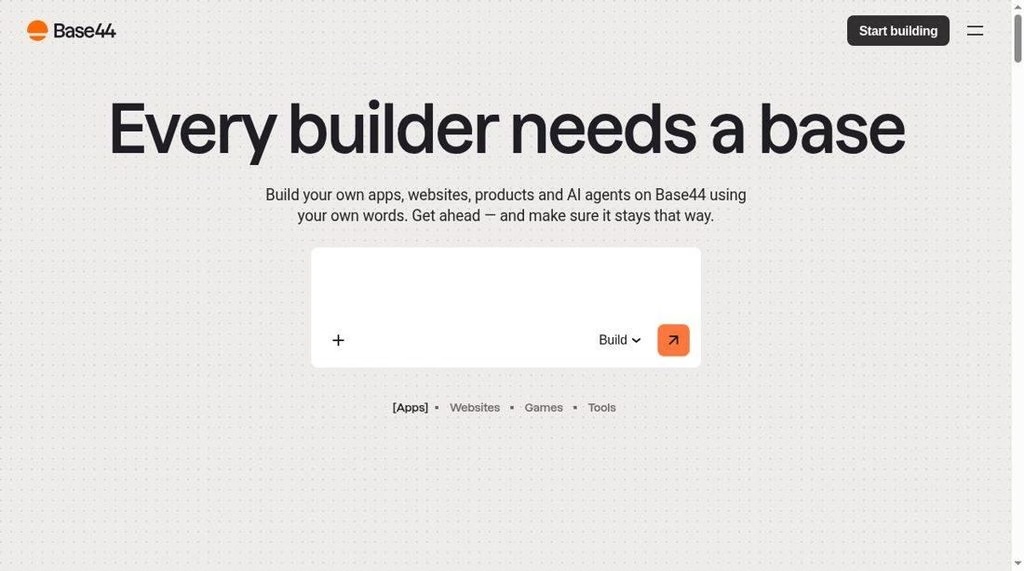
Category: AI prompt-to-app. Base44 centers its builder on describing an app and refining it through prompts. It is worth considering for internal tools and small business ideas when speed to a working first version matters most.
Watch for: Test permissions, integrations and data ownership against the actual app you build.
Visit the official Base44 site
8. Jules
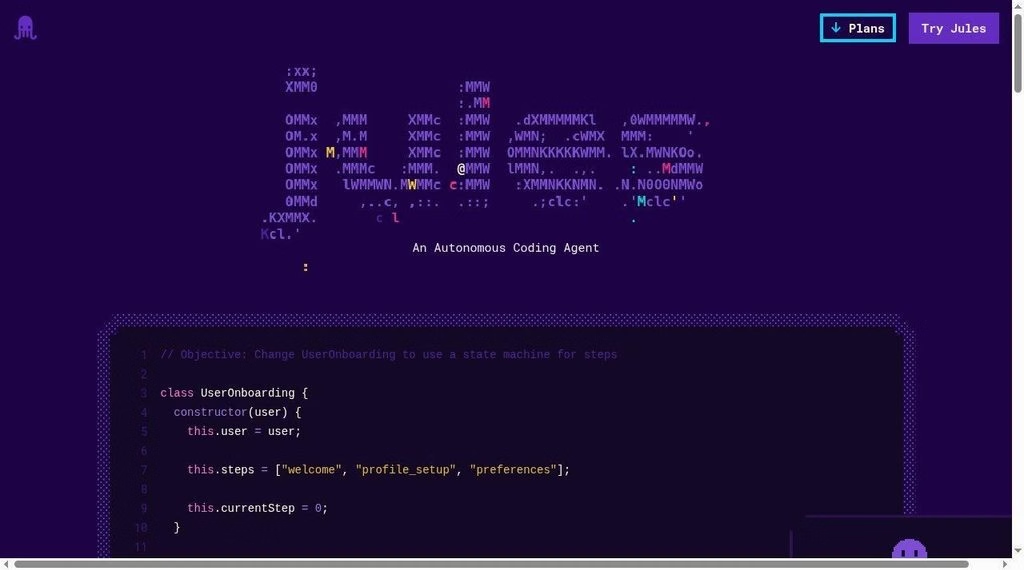
Category: Autonomous coding agent. Google’s Jules works on coding tasks in a cloud environment linked to a GitHub repository. It develops a plan, prepares code changes and opens a pull request for a developer to review.
Watch for: Grant repository access deliberately and review the diff and tests before merging.
AI coding assistants, agents and development environments
9. GitHub Copilot
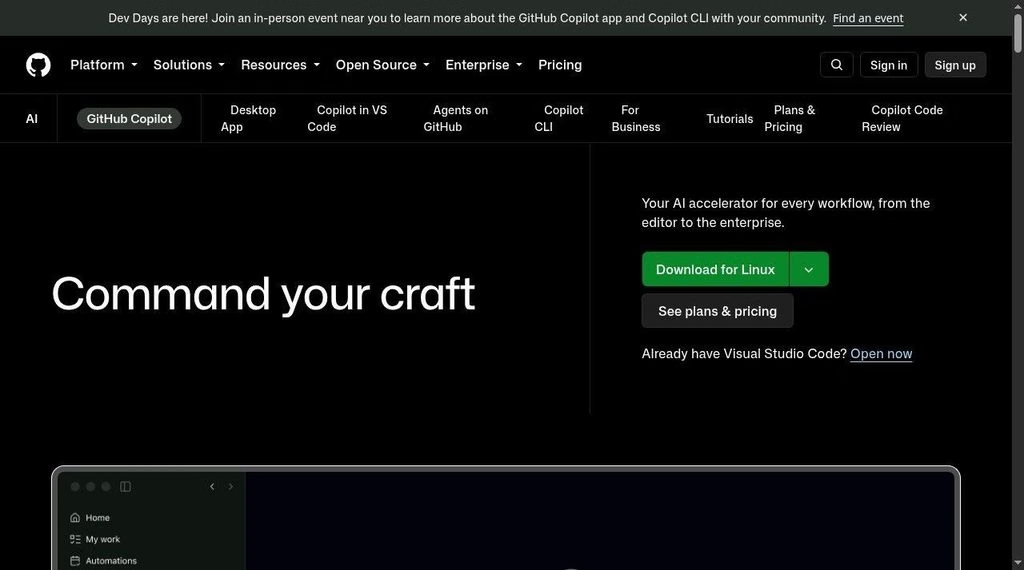
Category: AI coding assistant. GitHub Copilot assists with coding across GitHub and development environments. It helps a developer write and revise an app; it is not itself a no-code canvas.
Watch for: Review suggestions for correctness, licensing constraints and security before committing them.
Visit the official GitHub Copilot site
10. Claude Code
Category: AI coding agent. Claude Code is Anthropic’s agent for working with code in a terminal or supported development environment. It can help plan, edit and debug a project when someone can inspect the resulting files.
Watch for: Keep repository access and execution permissions proportionate to the task.
Visit the official Claude Code site
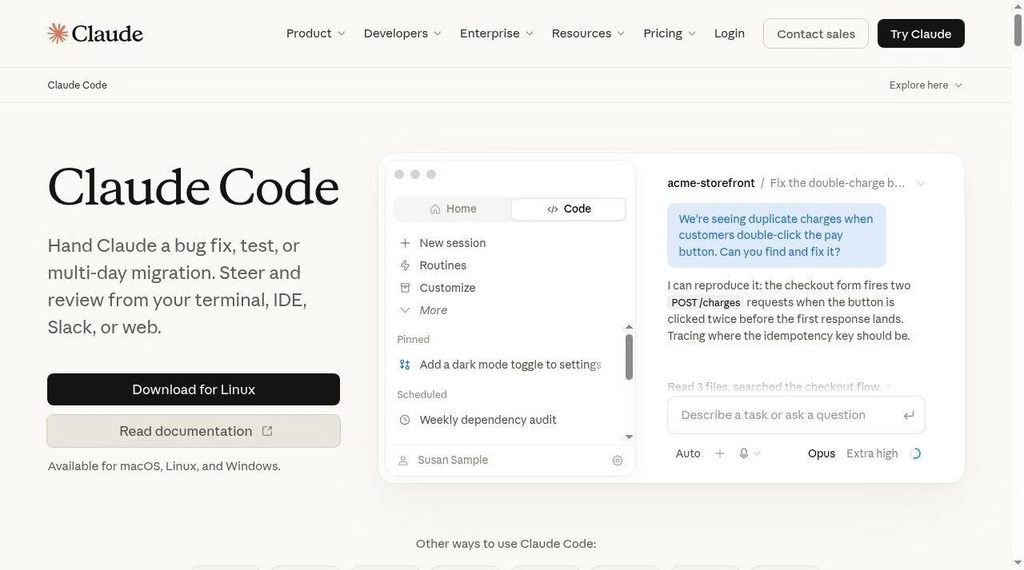
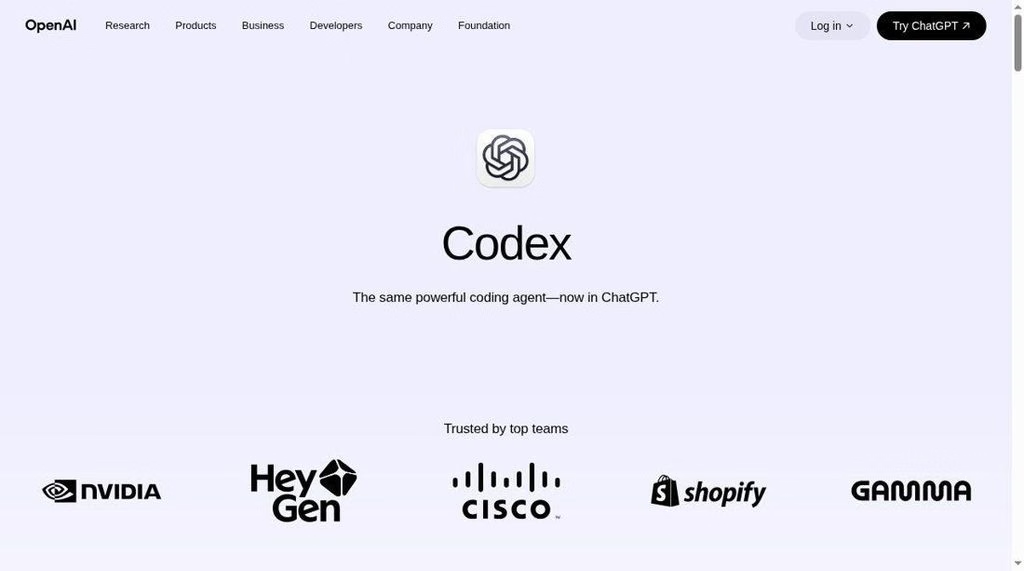
11. OpenAI Codex
Category: AI coding agent. OpenAI Codex is an agent-oriented software engineering product. Use it for scoped code tasks and reviewable changes rather than presenting it as a point-and-click mobile app creator.
Watch for: Read the changes and run the project’s own tests before release.
Visit the official OpenAI Codex site
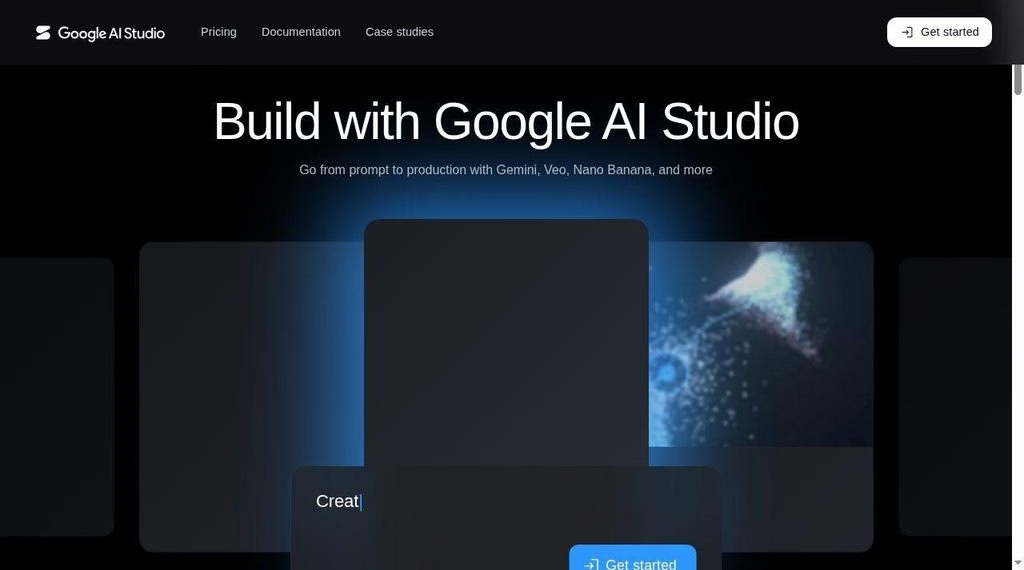
12. Google AI Studio
Category: AI prototyping environment. Google AI Studio helps makers experiment with Gemini and build AI-powered prototypes. Its strongest use is exploring model-driven behavior rather than replacing a complete visual app platform.
Watch for: Plan for authentication, storage, safety and hosting beyond the first model demo.
Visit the official Google AI Studio site
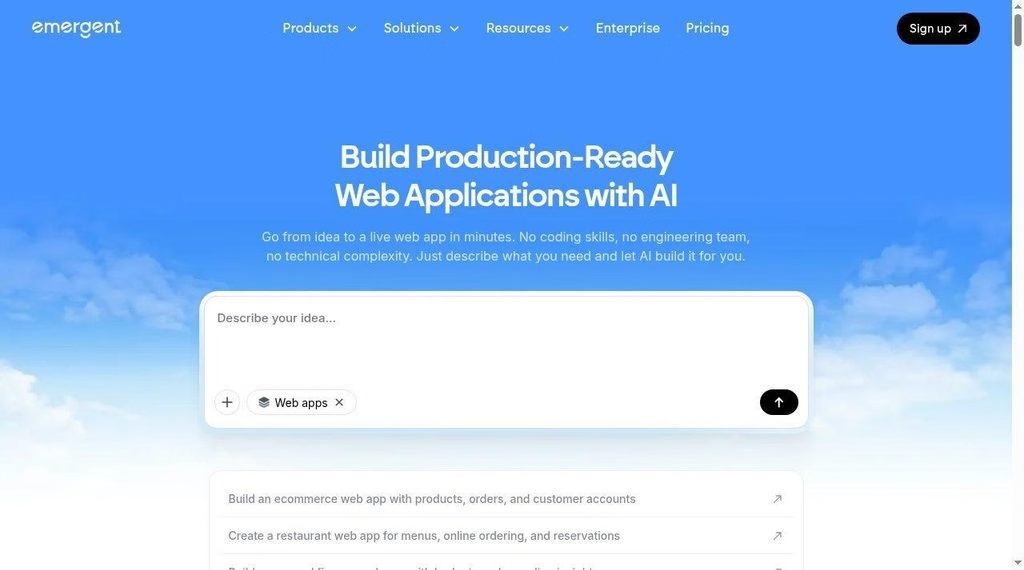
13. Emergent
Category: AI prompt-to-app. Emergent says it builds web and mobile apps from natural-language descriptions, covering the interface, backend and deployment. It replaces Firebase Studio in this updated list because Firebase Studio is no longer accepting new workspaces.
Watch for: Check the generated project’s stack, credit usage and export route before committing a production app.
Visit the official Emergent site
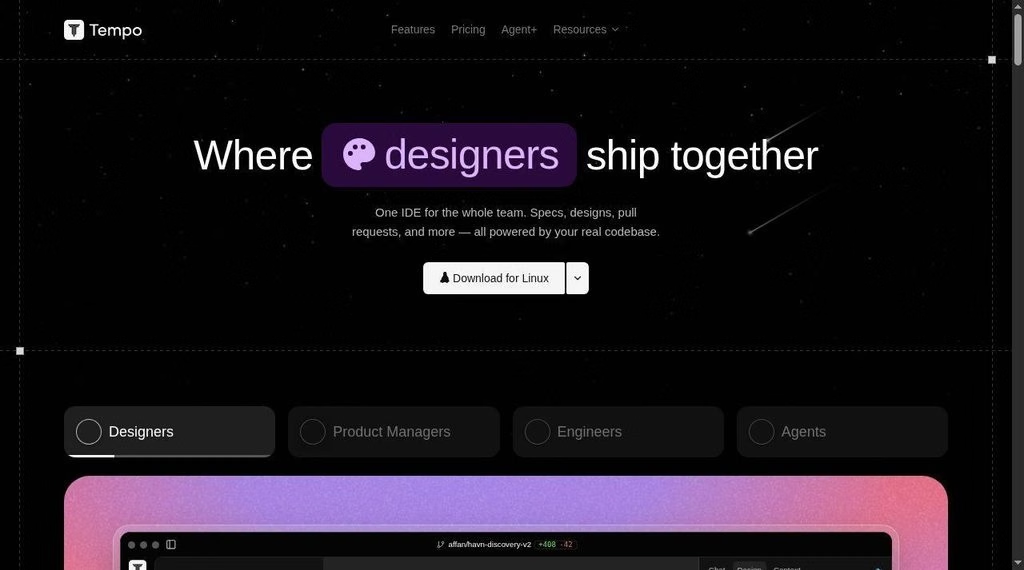
14. Tempo
Category: AI coding environment. Tempo is a shared development workspace for product managers, designers and engineers, tied to a real codebase. Its IDE connects specifications, designs and pull requests rather than creating an app in a no-code canvas.
Watch for: Check whether your team wants a code-centric collaboration tool before adopting its workflow.
15. Hostinger Horizons
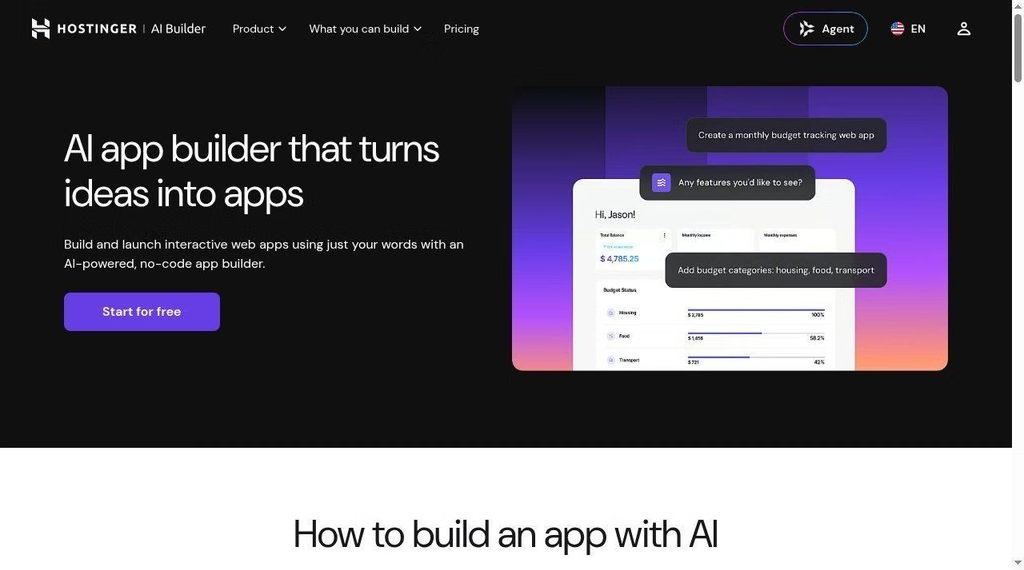
Category: AI prompt-to-app. Hostinger Horizons is a prompt-led web app builder with integrated hosting. It fits a non-developer who wants to describe, refine and launch a browser-based app in one place.
Watch for: The vendor says Horizons is not for native mobile apps; check hosting and credit limits before committing.
Visit the official Hostinger Horizons site
16. Gemini CLI
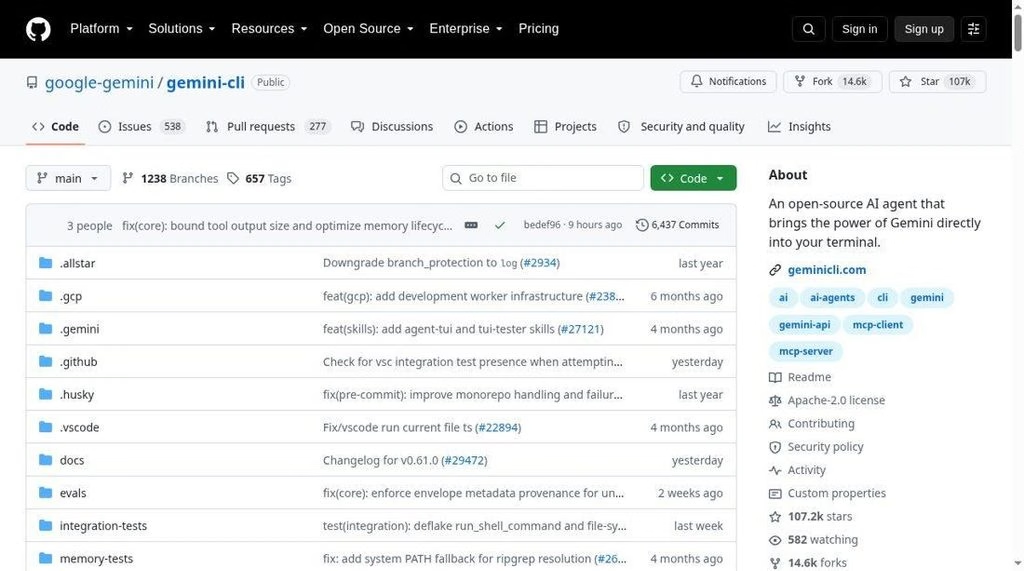
Category: AI coding agent. Gemini CLI is a terminal-based open-source agent maintained in Google’s GitHub organization. Developers can use it to work through app tasks from the command line.
Watch for: It requires a code workflow; give the agent limited access and check its output.
Visit the official Gemini CLI site
17. Devin
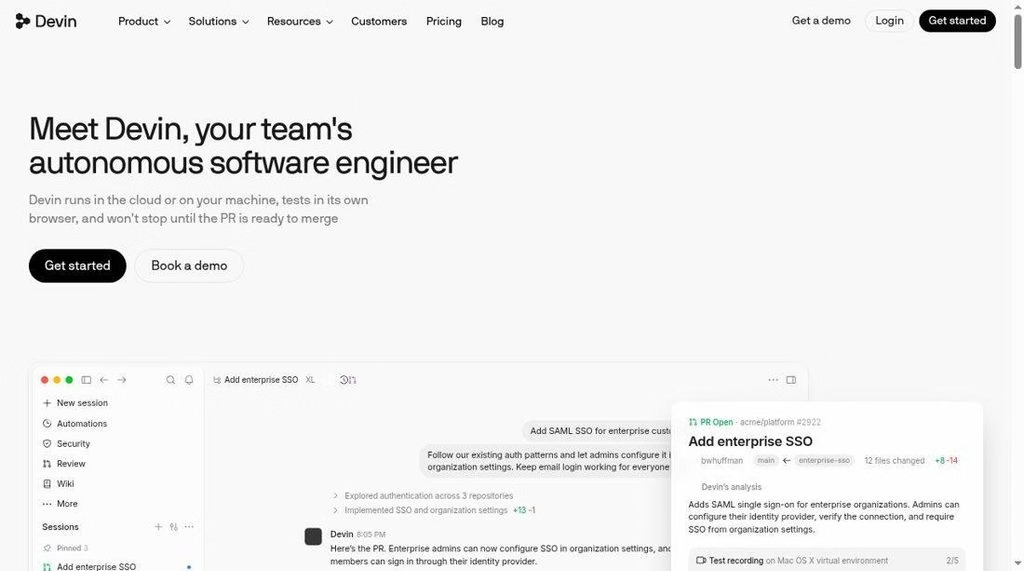
Category: Autonomous coding agent. Devin is an autonomous software-engineering agent that works in a separate environment. It runs in its own cloud environment, unlike a local coding editor.
Watch for: Provide bounded tasks and review pull requests, tests and any external effects.
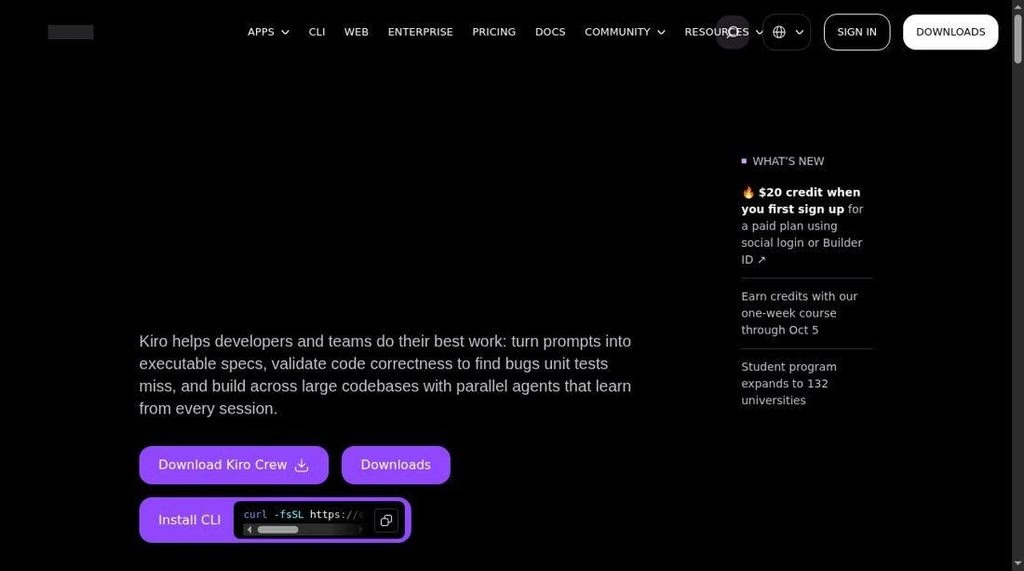
18. Kiro
Category: AI coding environment. Kiro positions itself around agentic software engineering, bringing planning and code implementation into a developer workflow. It suits teams that want more structure around AI-generated work.
Watch for: Treat specifications and agent plans as aids, not substitutes for code review.
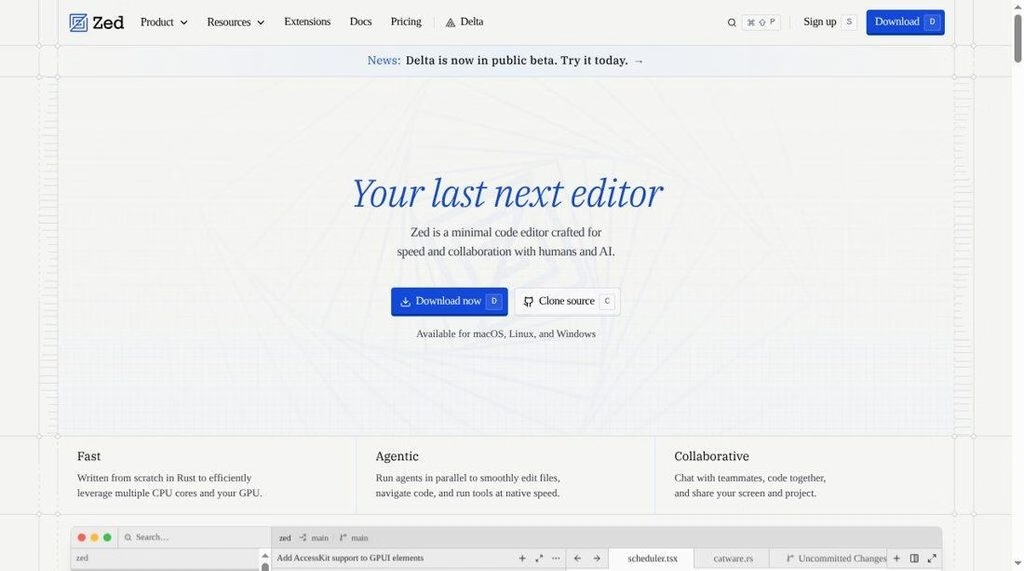
19. Zed AI
Category: AI coding environment. Zed is a fast collaborative code editor with AI features. It is a practical choice for developers who want an editor first and AI assistance inside it.
Watch for: It does not remove the need to choose a stack, build the backend and deploy the app.
Visit the official Zed AI site
20. Trae
Category: AI coding environment. Trae presents an AI coding workspace with an agent-focused interface. Consider it if your team wants to build in an IDE while giving an assistant larger coding tasks.
Watch for: Confirm supported platforms and inspect generated files before release.
Visual no-code and mobile app builders
21. Bubble
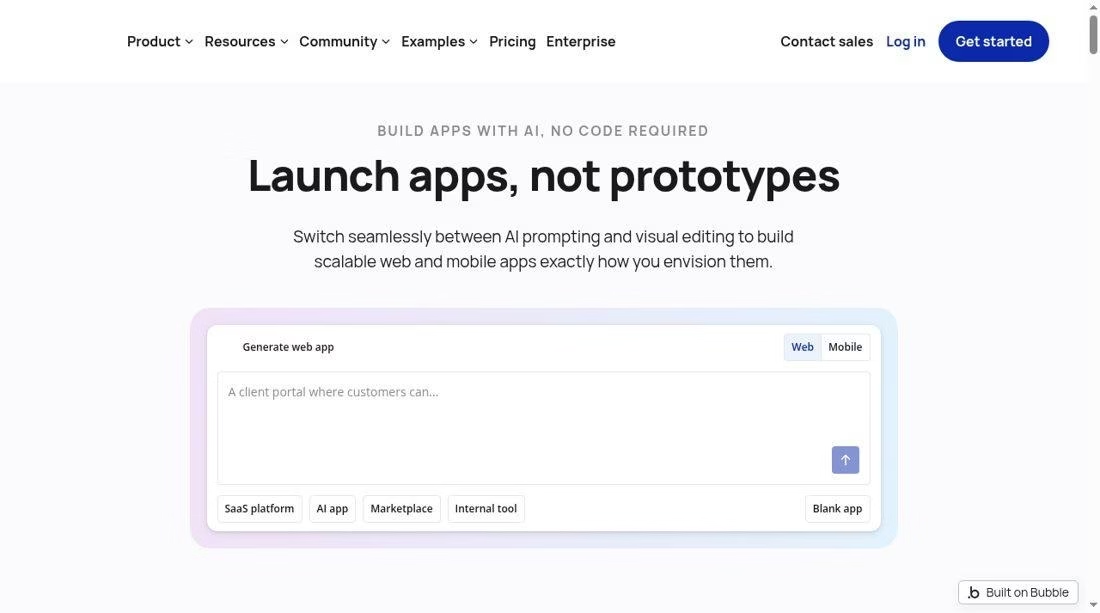
Category: Visual no-code builder. Bubble combines a visual editor with app logic and AI-assisted starting points for web and mobile apps. It is a stronger fit for a non-developer building a data-rich app than a coding IDE would be.
Watch for: Model privacy rules and performance early, especially before inviting real users.
Visit the official Bubble site
22. FlutterFlow
Category: Visual app builder. FlutterFlow is a visual builder for mobile and web experiences, with a design canvas and development features. It suits teams that care about interface control and may eventually work with code.
Watch for: Check the export, integrations and platform-specific publishing steps for your project.
Visit the official FlutterFlow site
23. Glide
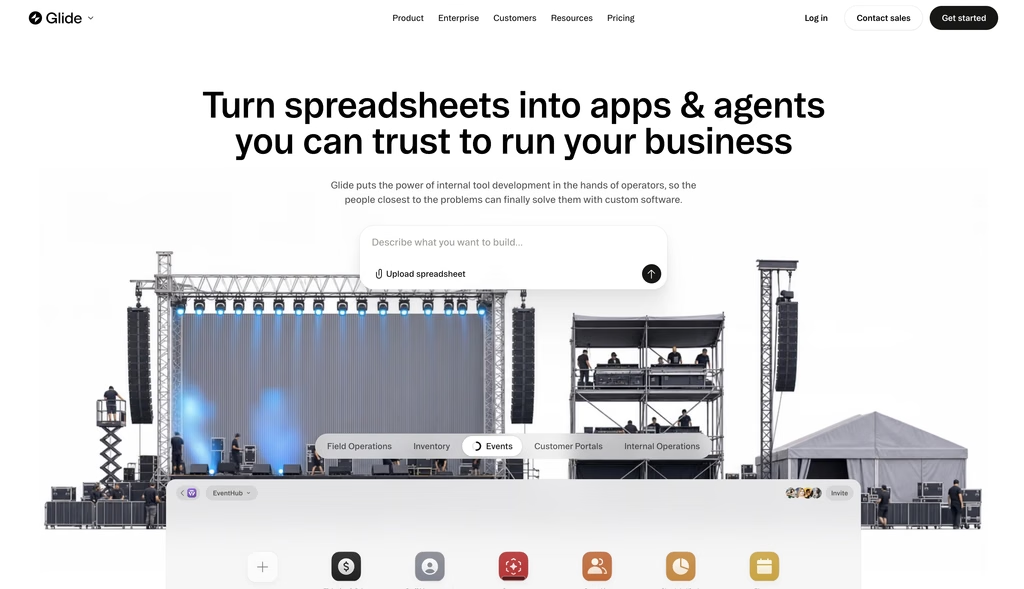
Category: Data-first no-code builder. Glide turns business data into apps and agents, with an emphasis on operational use. It fits a team that needs a field workflow, customer view or internal tool more than a bespoke consumer app.
Watch for: Check data-source limits, permissions and the form factor your users will actually need.
24. Adalo
Category: Visual mobile app builder. Adalo focuses on visual building for native iOS, Android and web apps, now with AI assistance. It is approachable for a founder who wants app-store distribution without writing the entire mobile stack.
Watch for: Test device behavior and review app-store requirements before committing to a launch.
25. Thunkable
Category: Visual mobile app builder. Thunkable offers cross-platform mobile creation and a prompt-led entry point. It is a useful option when iOS and Android are the end goal rather than just a responsive website.
Watch for: Check each device’s native features and publish requirements in a real build.
Visit the official Thunkable site
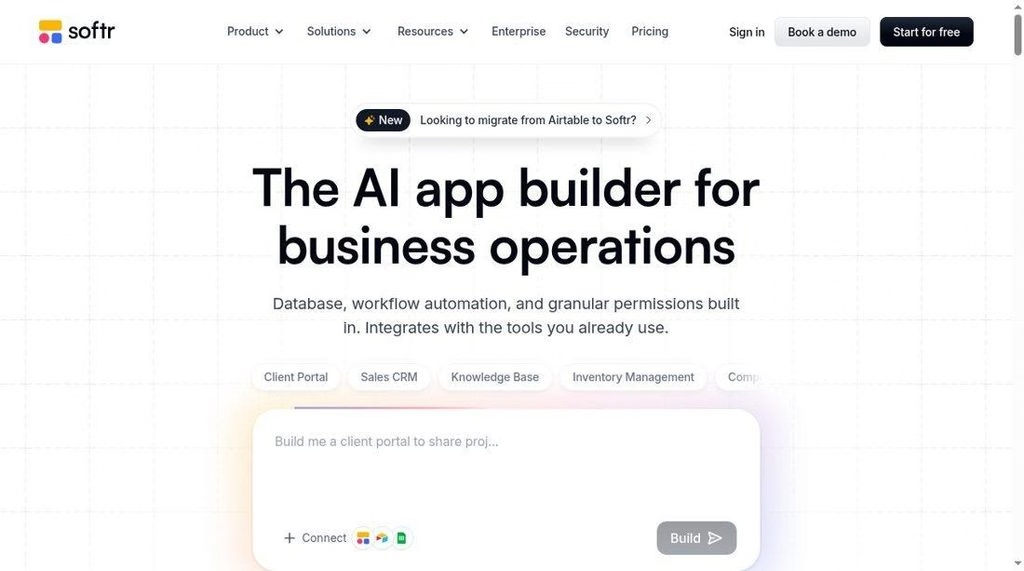
26. Softr
Category: Business app builder. Softr emphasizes business apps, client portals and internal tools on top of data and workflows. It is a good fit when a team needs role-based access to existing records quickly.
Watch for: Verify permissions at the record level before using it for sensitive customer information.
27. Google AppSheet
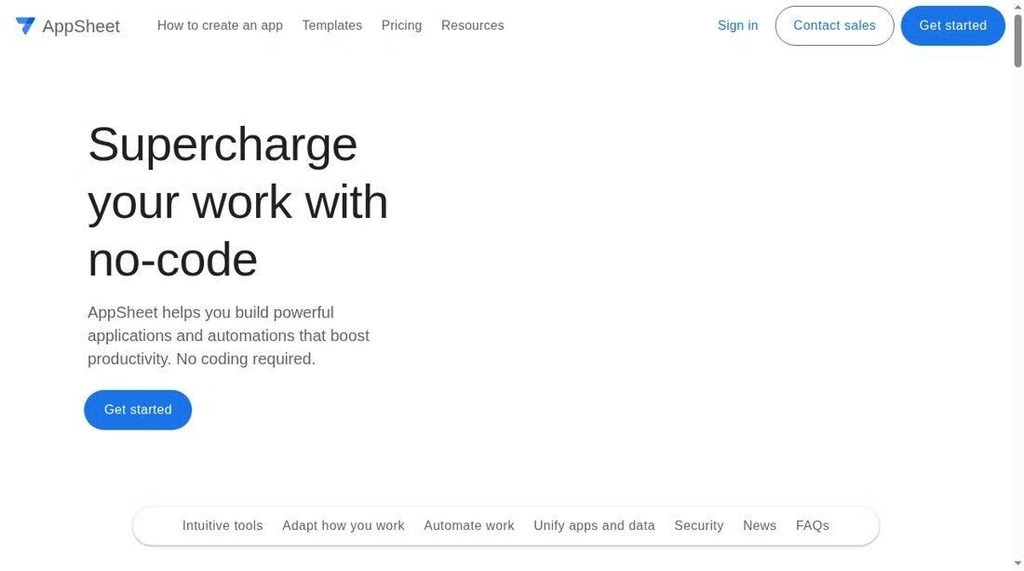
Category: Data-first no-code builder. Google AppSheet builds apps and automations from business data with no-code tools. It works particularly well for teams already working in Google’s workspace and tables.
Watch for: Check licensing, offline needs and access to connected data before roll-out.
Visit the official Google AppSheet site
28. Microsoft Power Apps
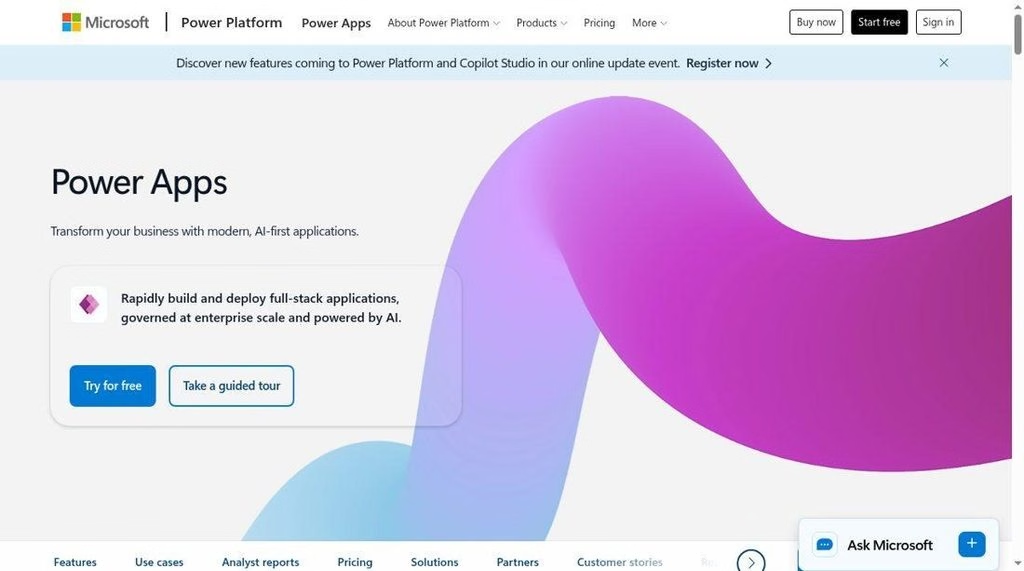
Category: Enterprise low-code. Microsoft Power Apps is an AI-assisted low-code platform for business applications. Organizations invested in Microsoft 365 and Power Platform may find it easier to connect existing workflows here.
Watch for: Check connector licensing, environments and governance before calling a prototype production-ready.
Visit the official Microsoft Power Apps site
29. Retool
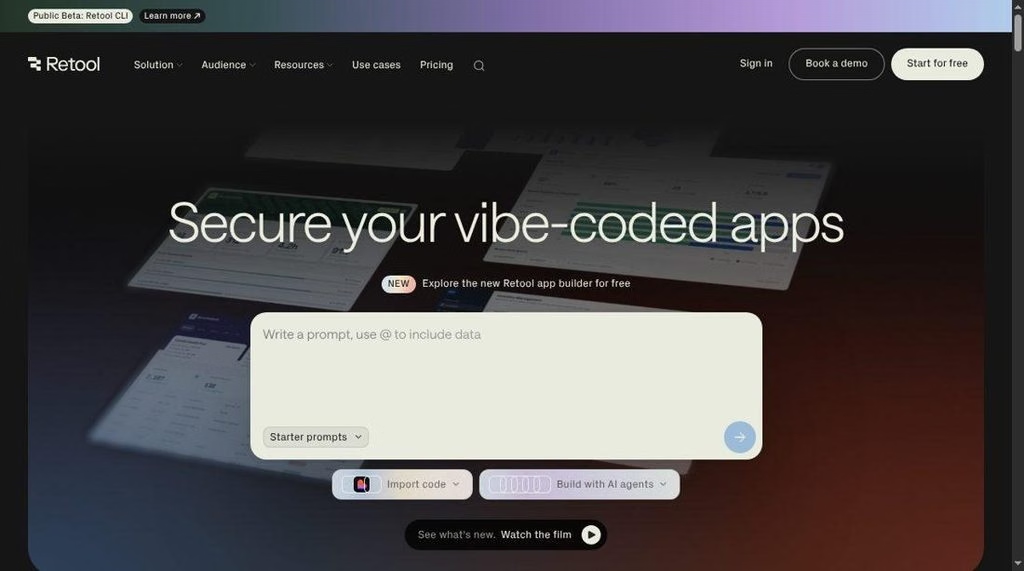
Category: Internal-tool builder. Retool focuses on apps, workflows and operational interfaces connected to existing data. It is better suited to a company’s internal users than to a standalone consumer app-store product.
Watch for: Treat database permissions and generated queries as security-sensitive.
Visit the official Retool site
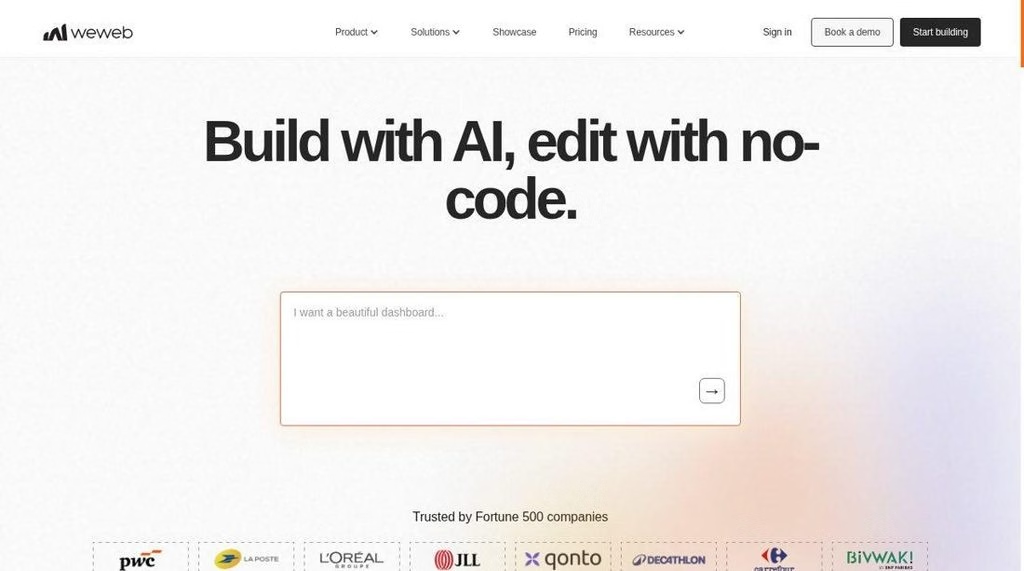
30. WeWeb
Category: Visual web app builder. WeWeb combines visual web-app building with data and backend connections, alongside AI-driven creation. It fits teams that want front-end control without starting in a code editor.
Watch for: Confirm the backend architecture and export path before committing to one stack.
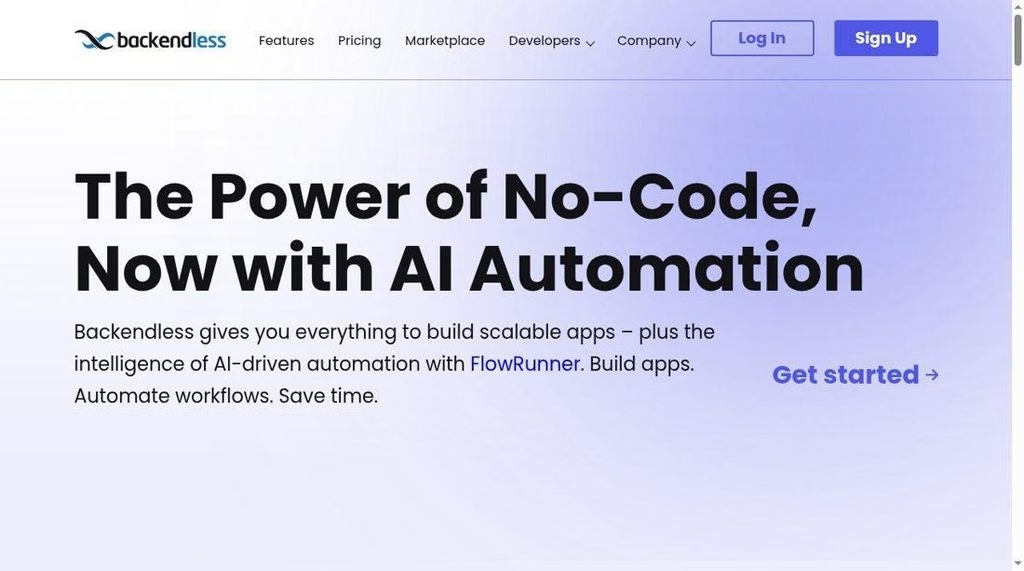
31. Backendless
Category: Visual full-stack platform. Backendless combines a visual app interface with backend, database and automation tooling. It can suit builders who want more backend control within one platform.
Watch for: Test roles, API exposure and the hosting plan against real usage.
Visit the official Backendless site
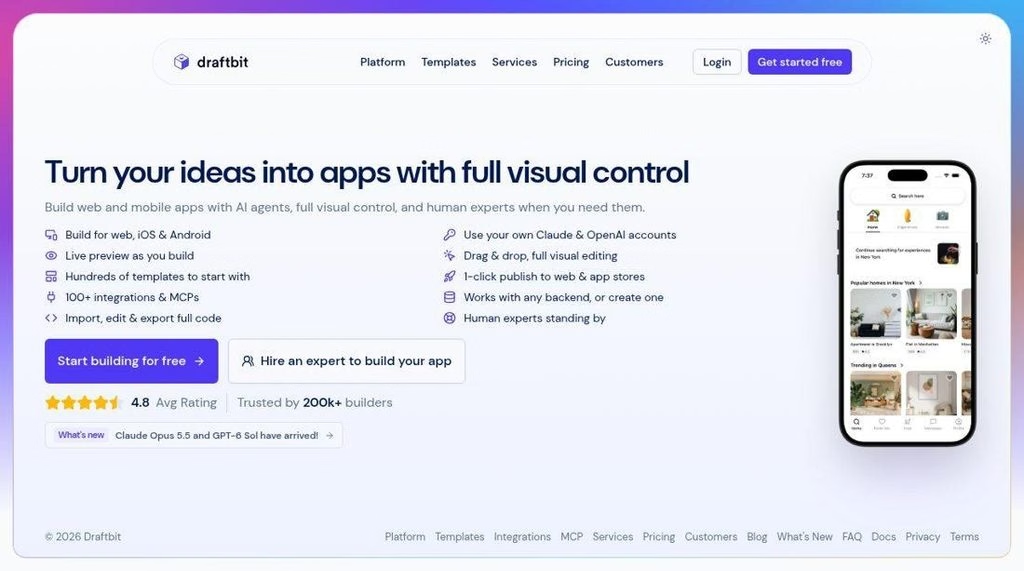
32. Draftbit
Category: Visual mobile app builder. Draftbit offers visual building for mobile apps, with a route toward editable code. It is a bridge for a design-led team that may later need developers to take over.
Watch for: Review exported code quality and device builds rather than assuming handoff is automatic.
Visit the official Draftbit site
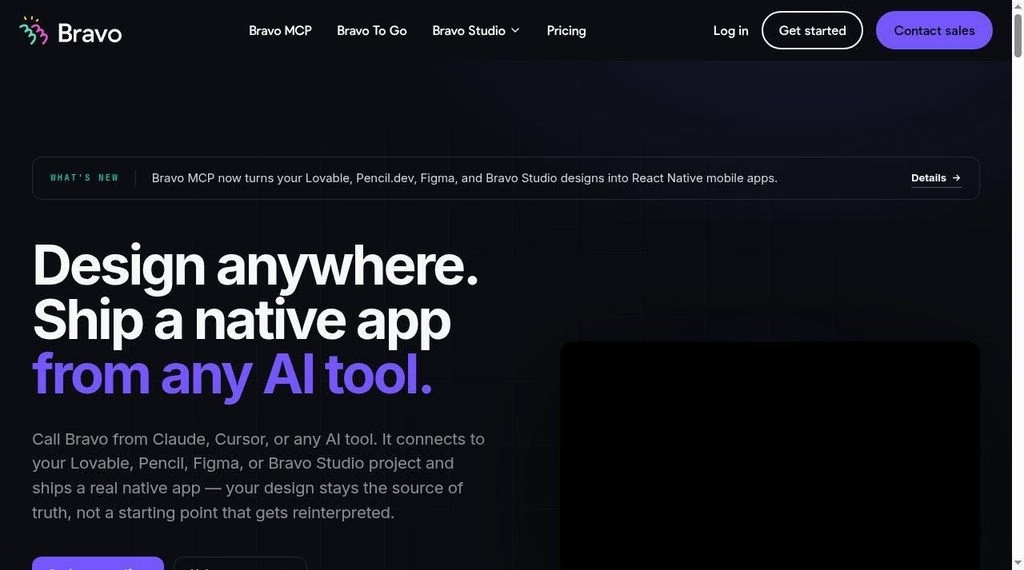
33. Bravo Studio
Category: Design-to-app builder. Bravo Studio connects a design-first workflow to native mobile app creation and data sources. It is appealing when a polished visual design already exists and the team wants to make it interactive.
Watch for: Check API integration and native behavior in actual builds, not just design previews.
Visit the official Bravo Studio site
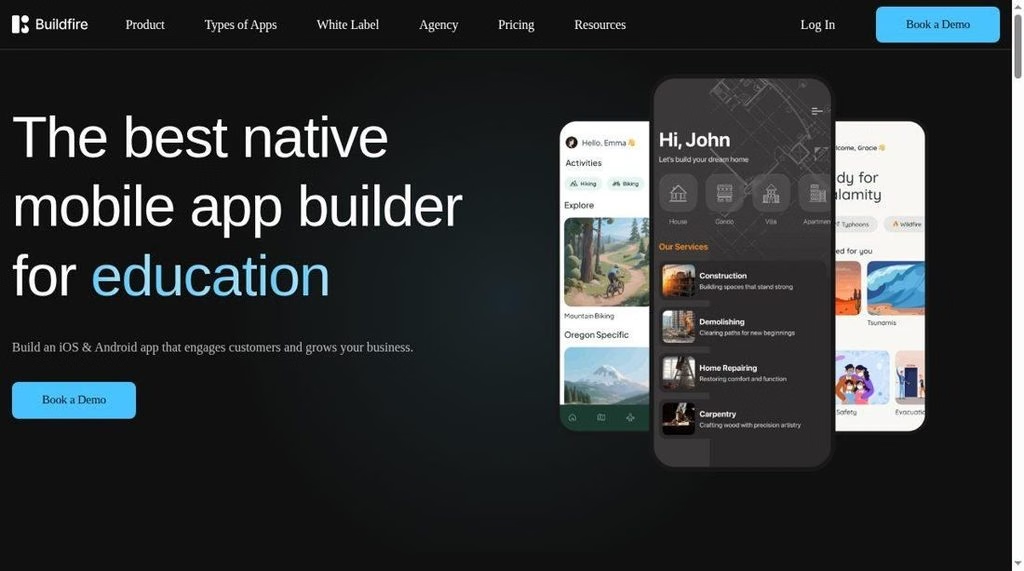
34. BuildFire
Category: Mobile app builder. BuildFire centers its product on native mobile app creation and feature modules. It suits organizations such as schools or communities that need an app with a defined set of common functions.
Watch for: Compare required modules and the publishing process with your exact use case.
Visit the official BuildFire site
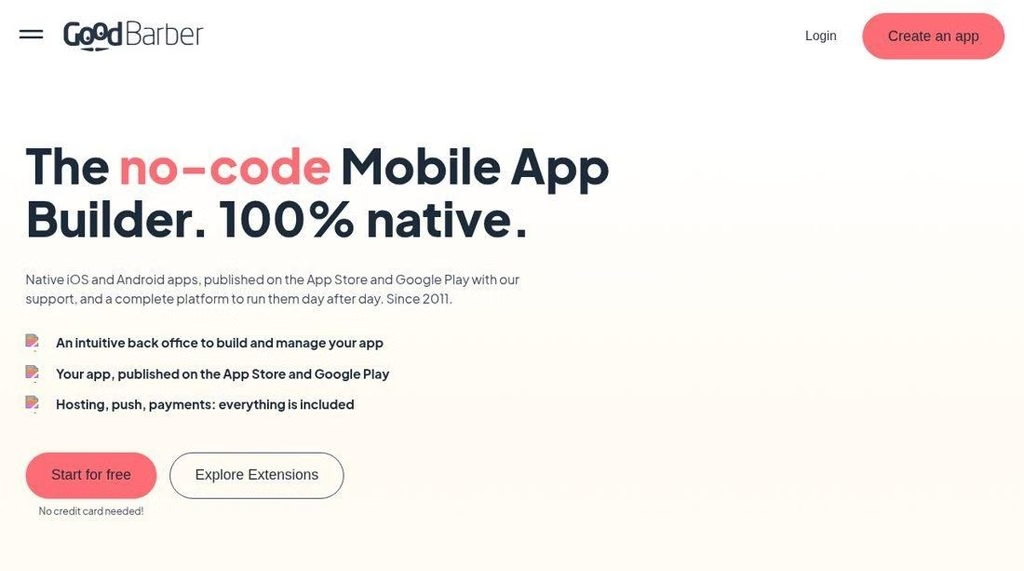
35. GoodBarber
Category: Mobile app builder. GoodBarber offers a no-code route to native apps and web experiences with commerce and content patterns. It is a possible fit for a publisher, shop or local business needing a branded app.
Watch for: Review the plan, store-publishing requirements and feature limitations before choosing a template.
Visit the official GoodBarber site
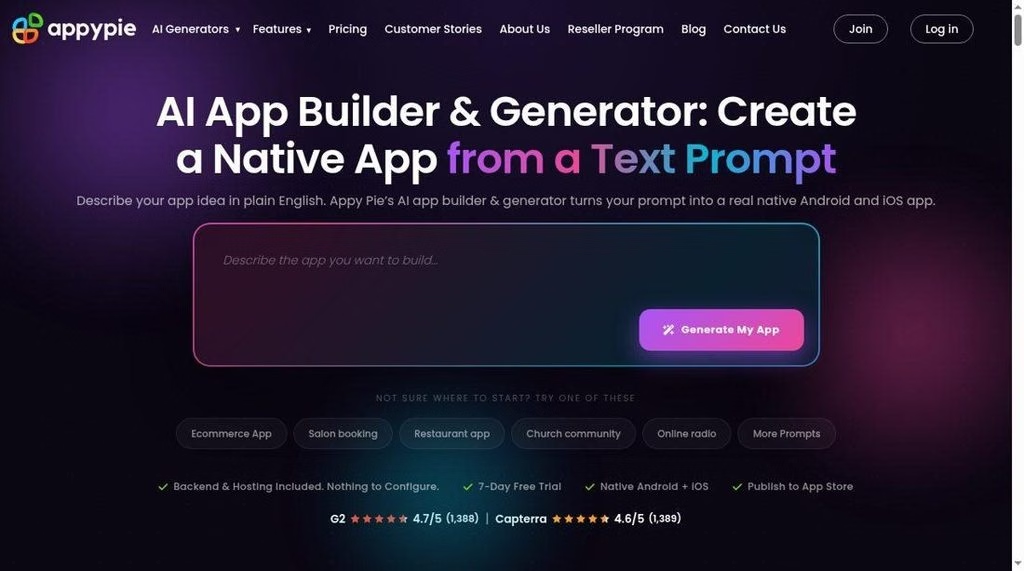
36. Appy Pie
Category: Mobile app builder. Appy Pie presents an AI-assisted app builder for mobile products, including text-prompt creation. It can help a small business start with a familiar application pattern.
Watch for: Check the generated result and any platform or subscription limits before publishing.
Visit the official Appy Pie site
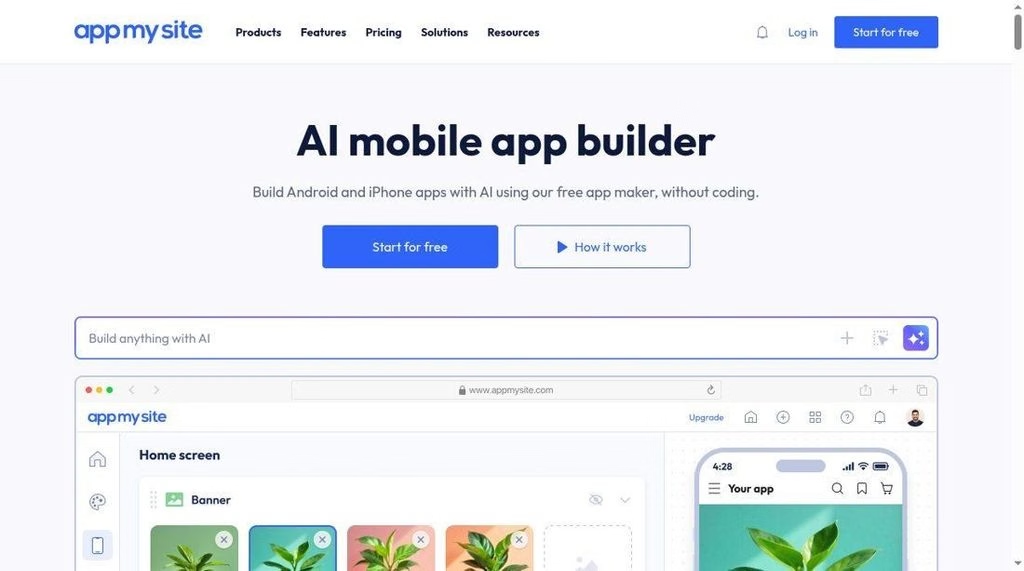
37. AppMySite
Category: Mobile app builder. AppMySite focuses on creating mobile apps, including an AI-assisted route and website-connected workflows. It may suit a business that already has web content and needs a companion mobile presence.
Watch for: Test the sync and app-store behavior with real content rather than relying on a preview.
Visit the official AppMySite site
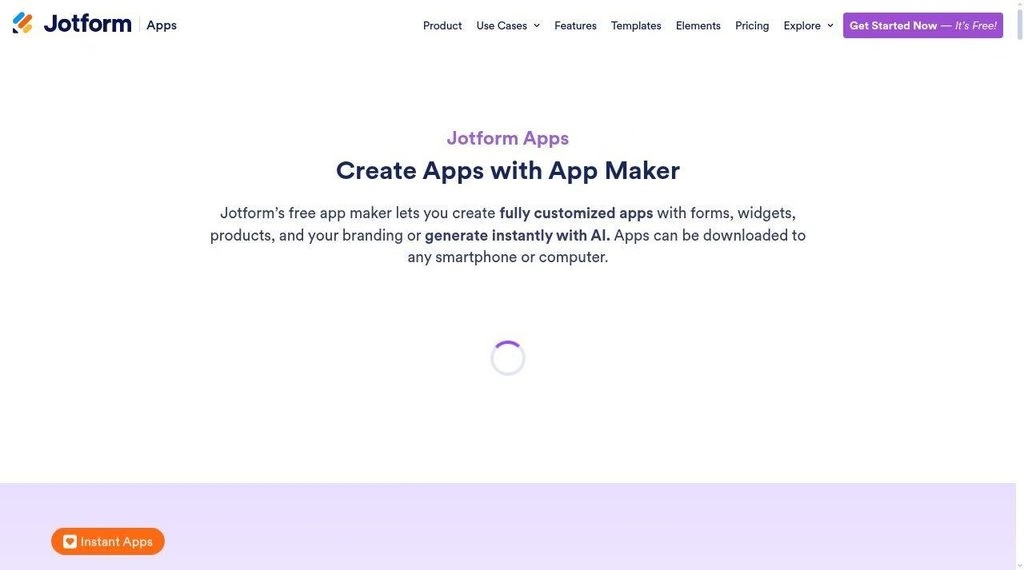
38. Jotform Apps
Category: Form-and-app builder. Jotform Apps packages forms, widgets and connected content into shareable apps. It is useful for intake, booking and information flows where the form is central.
Watch for: A collection of forms is different from a custom native app; check the delivery format you need.
Visit the official Jotform Apps site
Internal tools and enterprise low-code
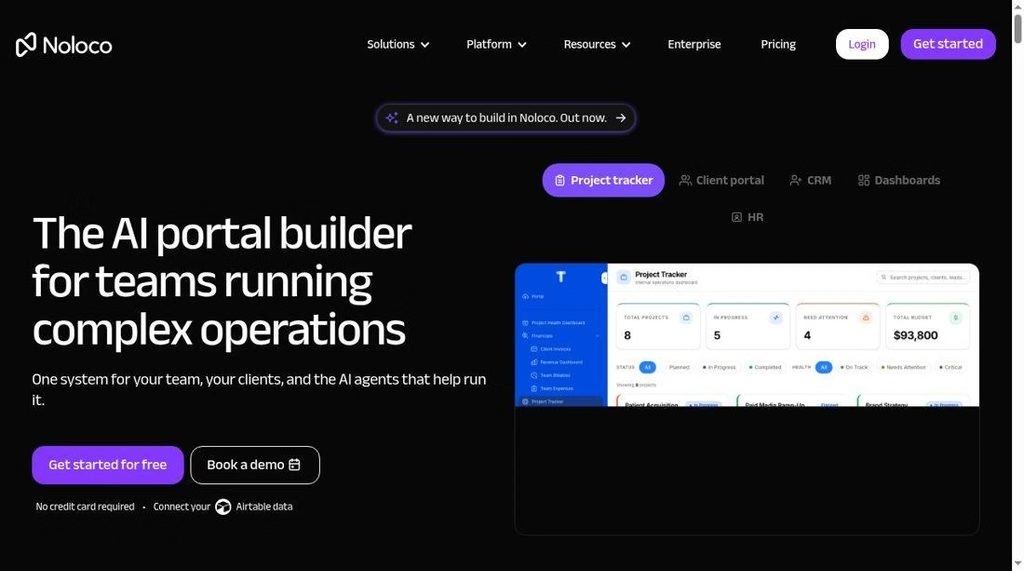
39. Noloco
Category: Operations portal builder. Noloco emphasizes AI-assisted portals for teams and clients around operational data. It can be a good fit when multiple parties need structured access to projects or records.
Watch for: Design roles carefully so clients see only what they should.
Visit the official Noloco site
40. UI Bakery
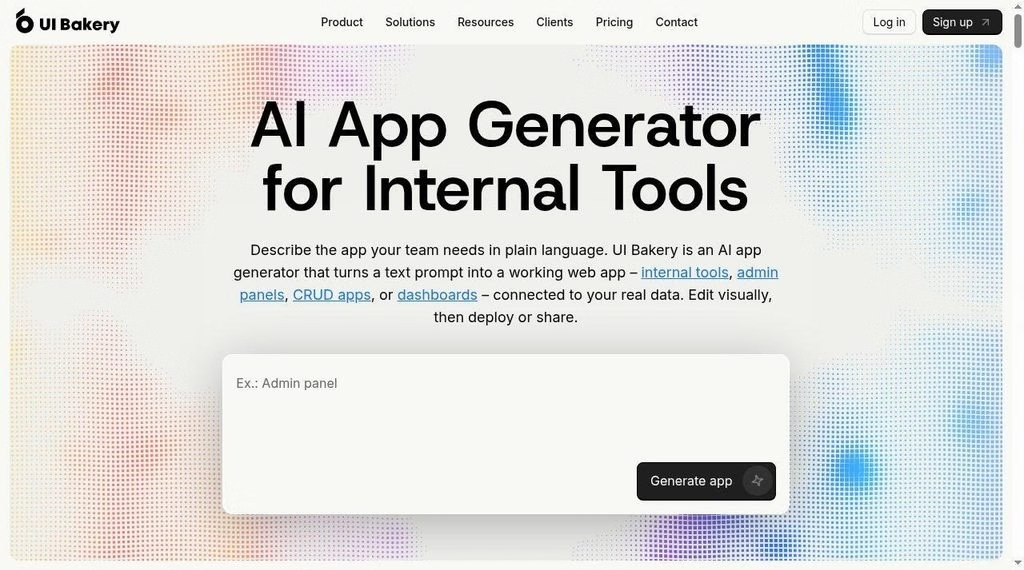
Category: Internal-tool builder. UI Bakery lets teams generate an internal web app from a prompt, connect live business data and then edit the layout visually. It suits dashboards and operational tools rather than native app-store products.
Watch for: Confirm user permissions and data access before sharing an internal app widely.
Visit the official UI Bakery site
41. Budibase
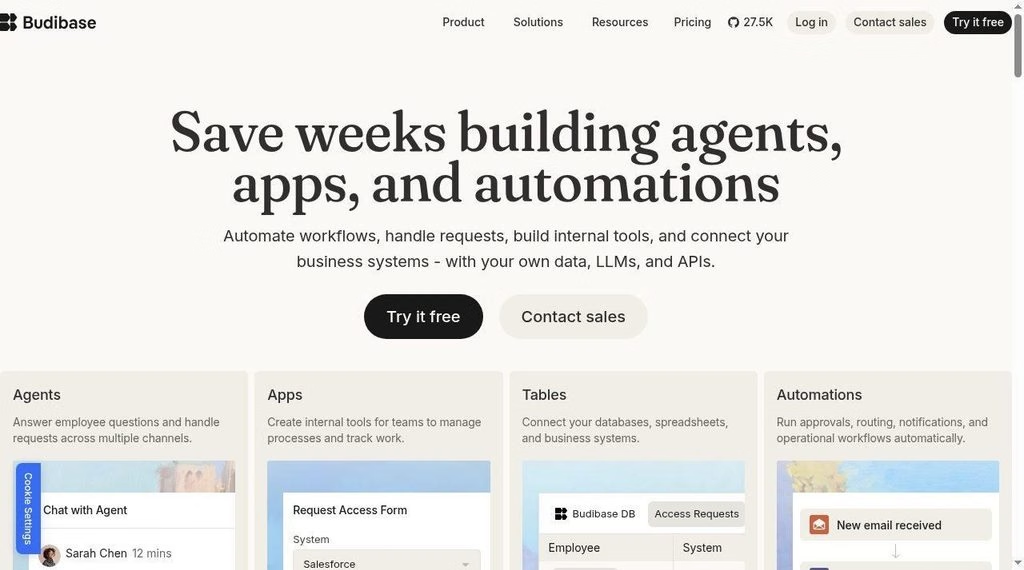
Category: Open-source low-code. Budibase combines internal apps, agents, tables and automations, with options relevant to teams that care about deployment control. It is aimed more at operational software than public mobile apps.
Watch for: Check the hosting, connector and governance model your team can maintain.
Visit the official Budibase site
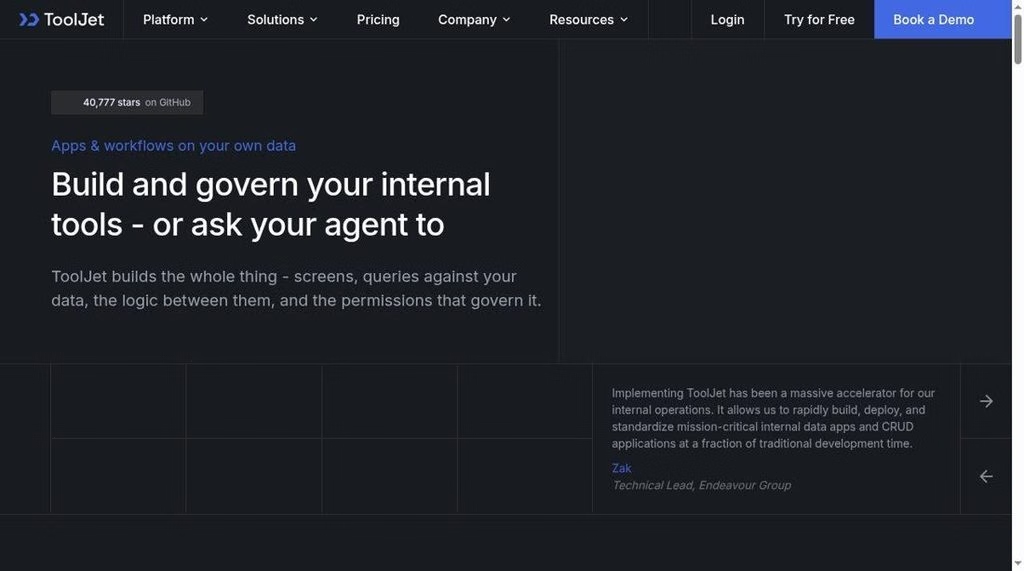
42. ToolJet
Category: Open-source low-code. ToolJet builds internal tools and workflows on connected data, with AI-assisted capabilities. It suits developer-adjacent operations teams that need governed screens and queries.
Watch for: Limit database credentials and check each user role before rollout.
Visit the official ToolJet site
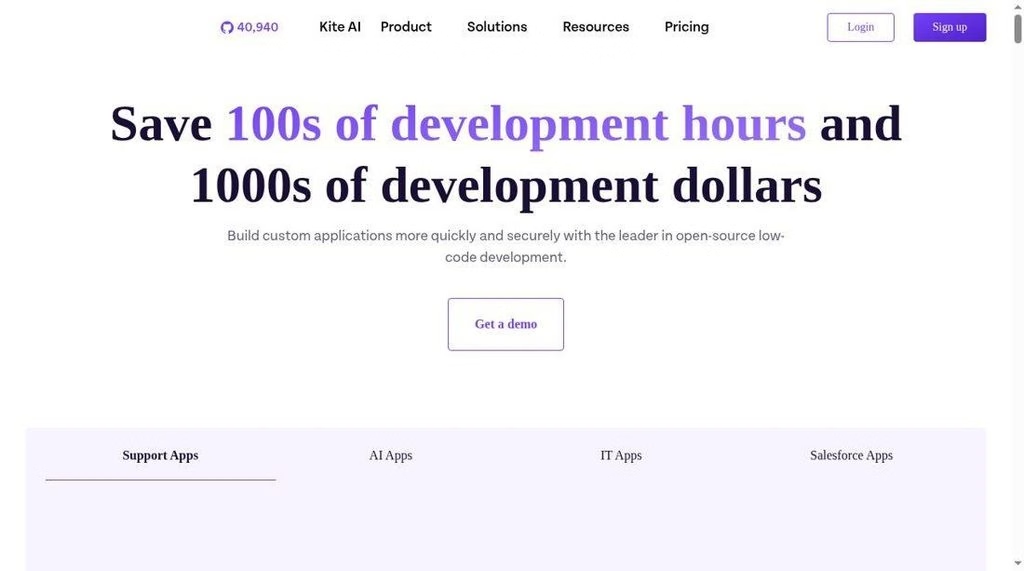
43. Appsmith
Category: Open-source low-code. Appsmith is an open-source low-code platform for custom internal applications. Its data and UI connections suit dashboards and business processes with a technical owner.
Watch for: Plan hosting, data security and maintenance responsibilities explicitly.
Visit the official Appsmith site
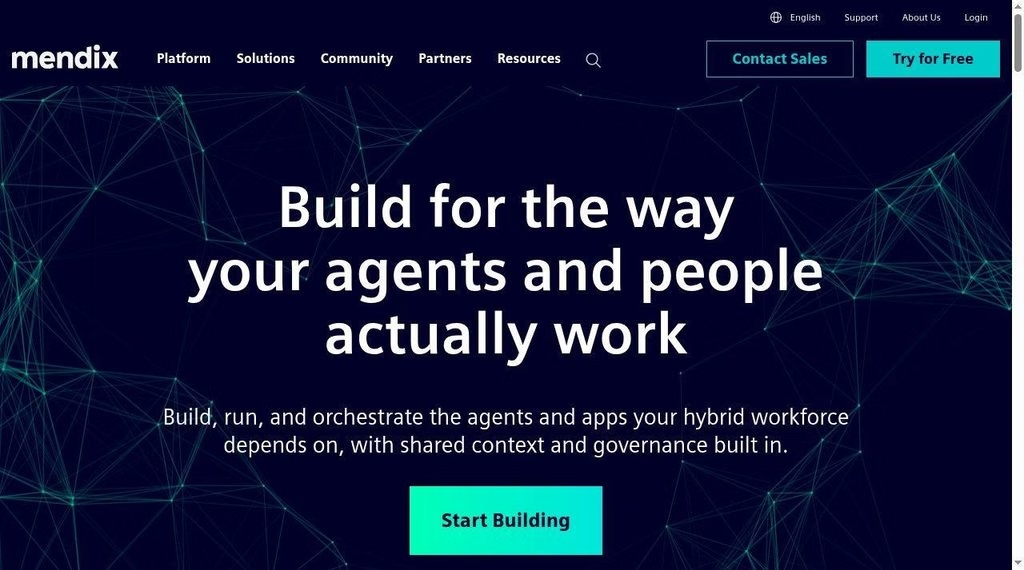
44. Mendix
Category: Enterprise low-code. Mendix targets enterprise application development and orchestration, including newer AI and agent features. It is best assessed as a platform choice for an organization, not a quick template app for a solo founder.
Watch for: Pilot governance, integration and delivery with a real internal use case.
Visit the official Mendix site
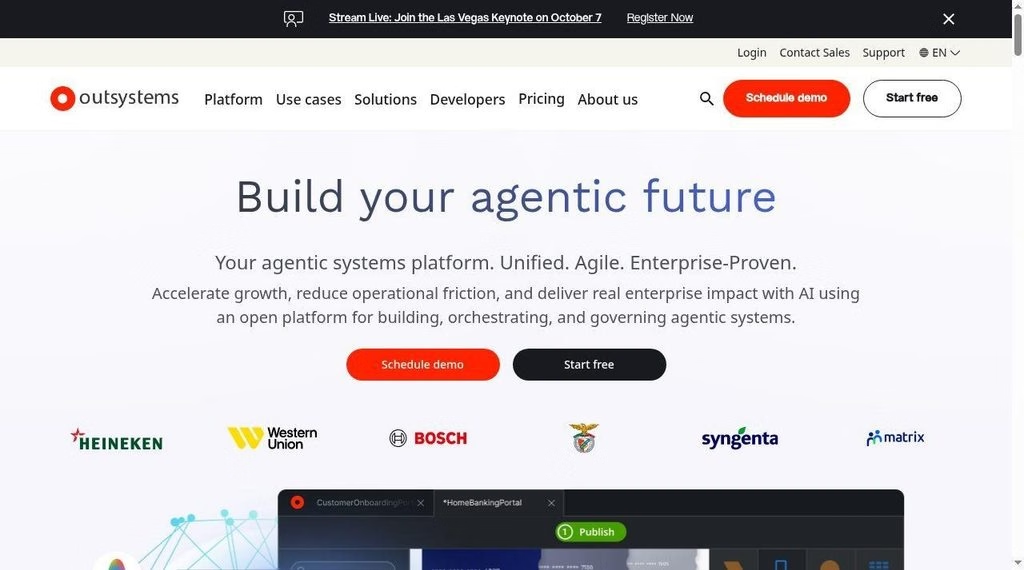
45. OutSystems
Category: Enterprise low-code. OutSystems offers an enterprise development platform with AI-oriented tooling. It fits larger teams that need managed application delivery across departments.
Watch for: Evaluate cost, architecture and developer skills against a concrete project.
Visit the official OutSystems site
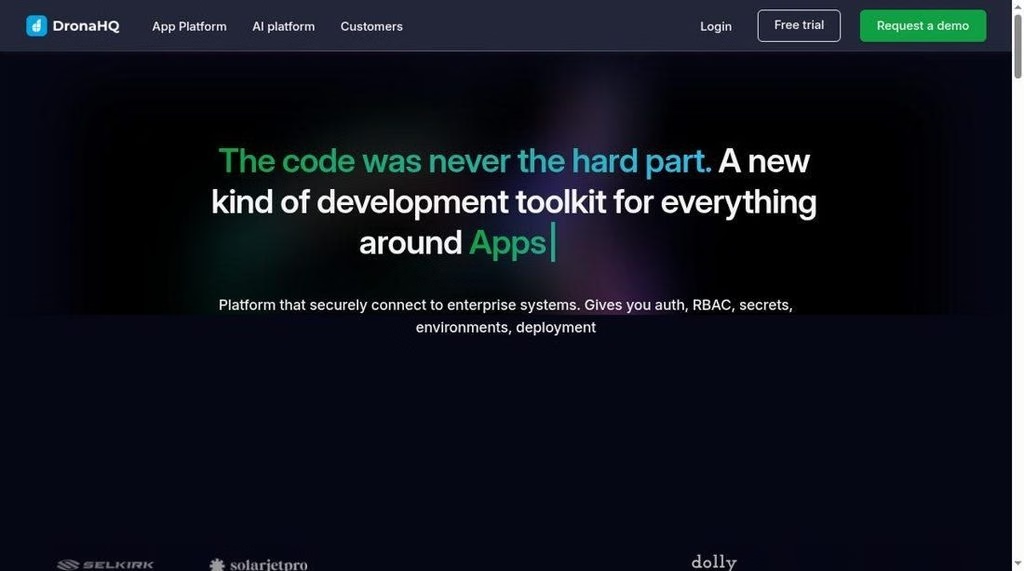
46. DronaHQ
Category: Enterprise low-code. DronaHQ offers tooling for enterprise apps and agents connected to existing systems. It belongs among internal and enterprise builders rather than consumer no-code mobile tools.
Watch for: Check access controls and connector behavior on representative data.
Visit the official DronaHQ site
47. Zoho Creator
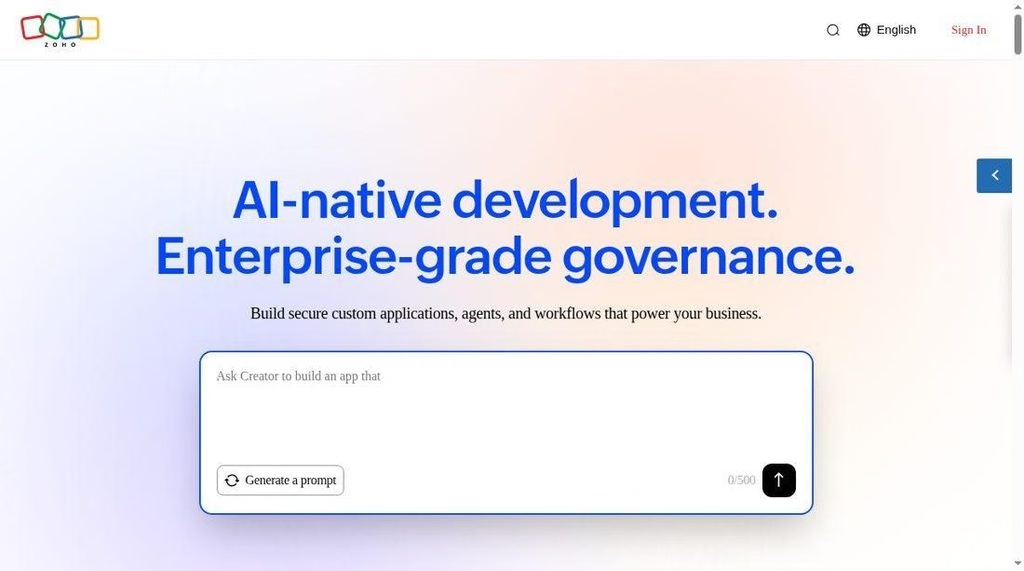
Category: Business low-code. Zoho Creator lets businesses make custom apps, workflows and forms with AI and low-code tools. It can fit organizations already using Zoho’s business software.
Watch for: Validate integration, licensing and the mobile experience your users require.
Visit the official Zoho Creator site
48. Oracle APEX
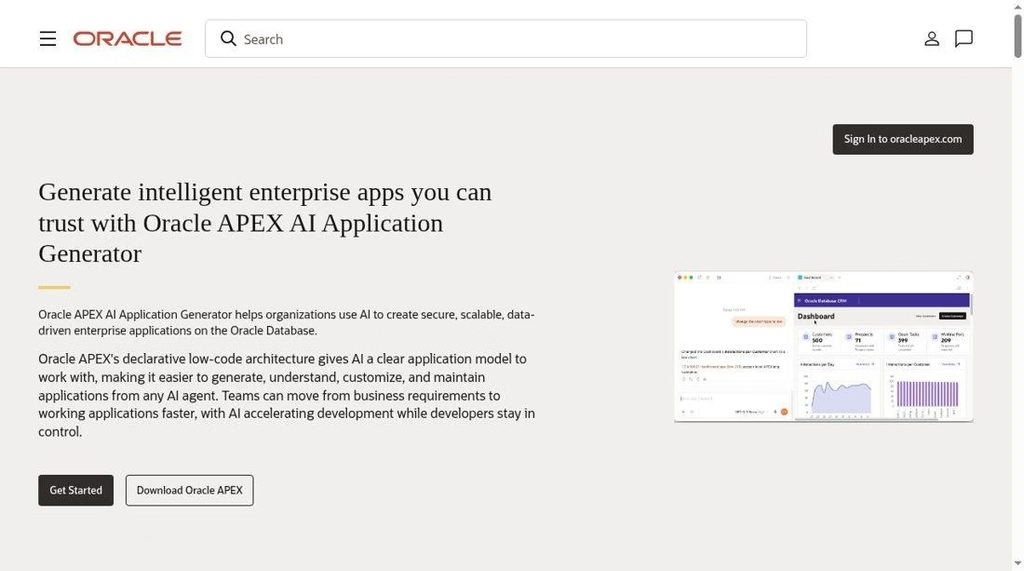
Category: Database app platform. Oracle APEX builds database-driven applications on Oracle’s platform. It is a strong candidate for teams with Oracle data and developer support, not a general no-code beginner pick.
Watch for: Assess database ownership, deployment and security with the team that operates Oracle.
Visit the official Oracle APEX site
Visual website builders
49. Webflow
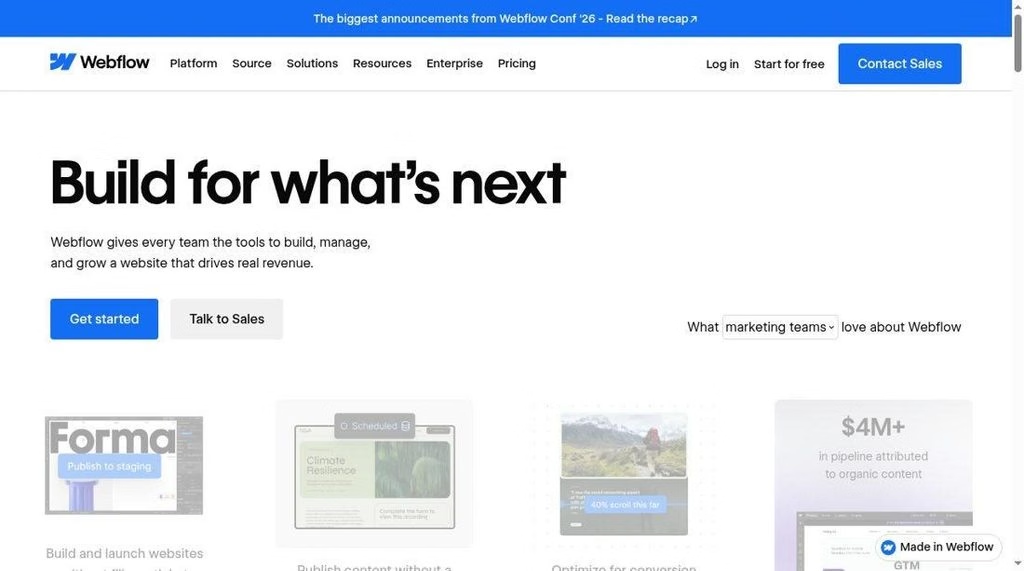
Category: Visual website builder. Webflow is primarily a visual website and web-experience builder. Include it here for the web front end and content-led experiences, not as a substitute for a native mobile app platform.
Watch for: A complex data-driven app needs a suitable backend and careful integration plan.
Visit the official Webflow site
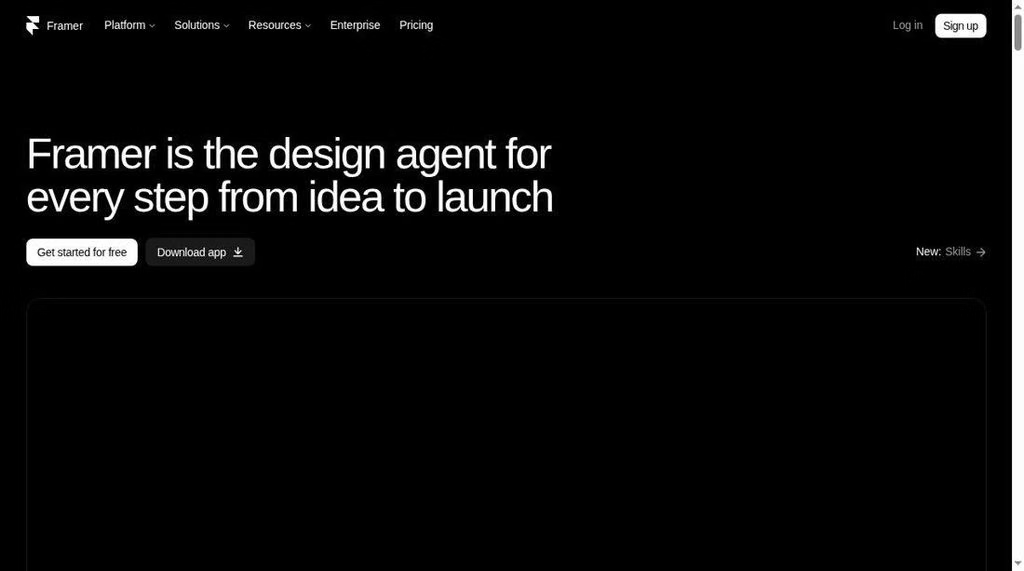
50. Framer
Category: Visual website builder. Framer focuses on designing and launching websites with AI-assisted creation. It is excellent to consider for an interactive marketing site or product landing page, but it is not a native app-store builder.
Watch for: Choose a different platform if your core requirement is complex application logic or native mobile distribution.
Visit the official Framer site
Frequently asked questions
Which app builder is easiest for a beginner?
The answer depends on the app. A short-lived web prototype can start with a prompt-first tool, while a mobile app with native device features needs a mobile-focused builder. For a spreadsheet-based business workflow, a data-first tool may be simpler than either. Try one representative task in two products before paying for a long subscription.
Can I make an app without coding?
Yes, visual and prompt-first tools can handle many projects without hand-writing code. They do not remove the need to plan data, roles, customer support and deployment. AI coding editors and terminal agents in this list, by contrast, work best when a developer can review the code.
Do these tools publish to the App Store and Google Play?
Only some focus on native mobile output. A responsive website or progressive web app is not identical to an app-store build. Check the product’s current publishing route, account requirements and platform support before choosing it.
How do I avoid getting locked in?
Ask what you can export: source code, data, assets and configuration. Then test the export with a small project. Even where code is available, a replacement host, database and maintenance team may be necessary.
Bottom line
Pick a workflow first: prompt-led prototype, visual mobile app, internal business tool, enterprise platform or developer agent. Then compare two or three products within that group on a real example. That makes the list useful without pretending that a landing-page maker and an autonomous coding agent solve the same problem.


Leave a Reply