

ShipStation is a popular shipping and order-management tool for online sellers, but it is not the only way to print labels and track parcels. Sellers look elsewhere when the price per month feels high at low volume, when they ship mostly in Europe, when they need inventory and warehouse features, or when they want an API for their own platform. The ten alternatives below cover free label tools, multi-carrier platforms, inventory-led systems and developer APIs.
Short version: Pirate Ship and Shippo suit small sellers who want low or no software cost, Sendcloud suits European shops, Easyship suits cross-border sellers, Veeqo, Ordoro and ShippingEasy add inventory or order features, and EasyPost and ShipEngine are APIs for builders. ShipHero is a warehouse system, so it fits larger operations. Prices come from official pages checked October 13, 2026.
Compare ShipStation and ten alternatives at a glance
| Product | Best starting fit | Commercial check |
|---|---|---|
| ShipStation | Multi-carrier shipping software for sellers | Plan shipment limits and label rates |
| Shippo | Small sellers and API users | Free starter, per-label fees on some carriers |
| Pirate Ship | Low-cost USPS and UPS labels | Carrier coverage, no multi-channel inventory |
| Sendcloud | European ecommerce shipping | Per-label fee and parcel volume |
| Easyship | Cross-border sellers | Duties, taxes and plan limits |
| Veeqo | Inventory plus shipping, Amazon-owned | Plan tiers by volume, platform ties |
| ShippingEasy | Small shops wanting simple shipping | Shipment caps per plan |
| Ordoro | Shipping, inventory and dropshipping | Separate plan lines by module |
| EasyPost | Shipping API for developers | Per-label fee after free allowance |
| ShipEngine | Shipping API with a free tier | Label volume per plan |
| ShipHero | Warehouse management for large volume | Demo-based, needs a warehouse process |
1. ShipStation: the baseline to measure against
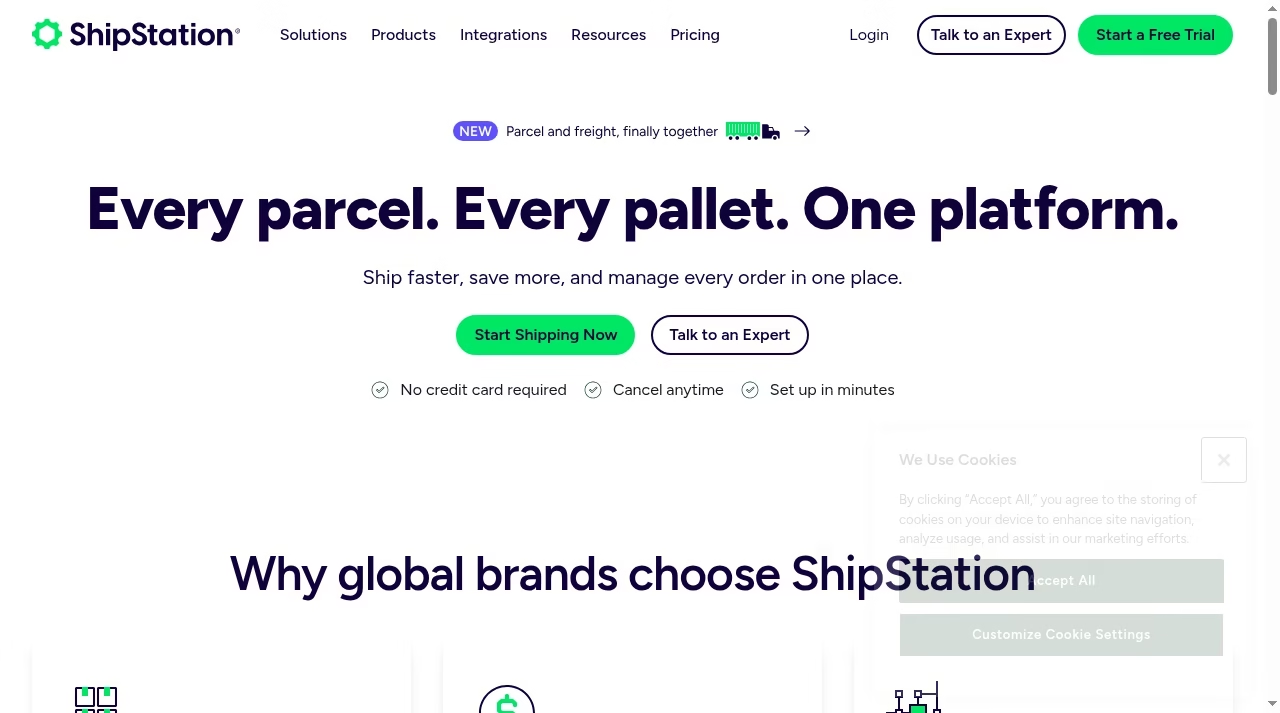
ShipStation positions itself as a platform for parcel and pallet shipping with order import, label printing and carrier rates. The pricing page text we read lists a Starter plan at $14.99 per month with a monthly shipment allowance, so confirm the exact shipment limit on the live page before comparing.
What to check before choosing
Count your monthly shipments and compare them with each plan allowance, then add the carrier rates you will actually pay. Also check which sales channels import orders automatically and whether your returns flow needs extra work.
Demo task: import a day of real orders, buy labels with two carriers and compare the per-parcel total with your current process.
2. Shippo: a free start for small sellers and API users
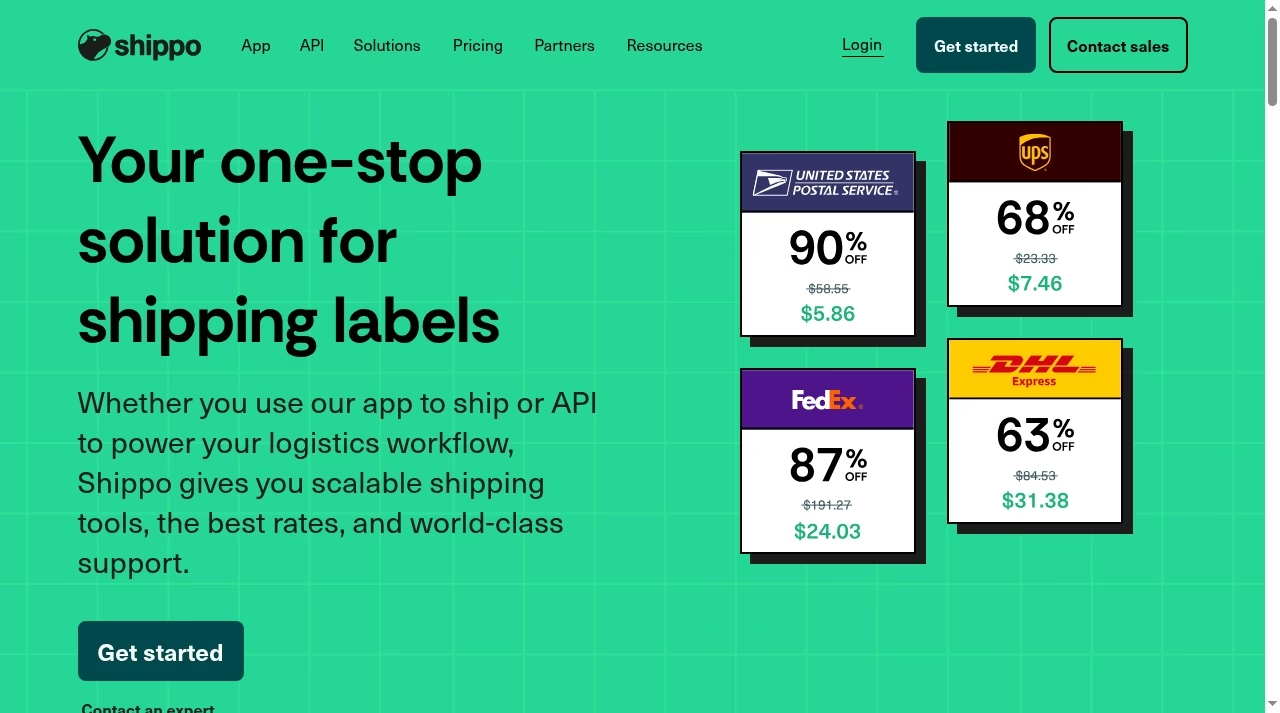
Shippo lists a Starter plan at no monthly cost and a Pro plan at $17 per month. It offers a web app, integrations and an API, with discounted carrier rates for sellers who buy labels through it.
What to check before choosing
Check which carriers and rates are available at which plan, and whether extra label fees apply. A seller with high volume should model the full cost per label, not just the monthly plan.
Demo task: ship ten orders across two carriers and compare the cost with your current rates.
Shopify sellers weighing platform options can read Shopify vs custom websites.
3. Pirate Ship: free software for USPS and UPS labels
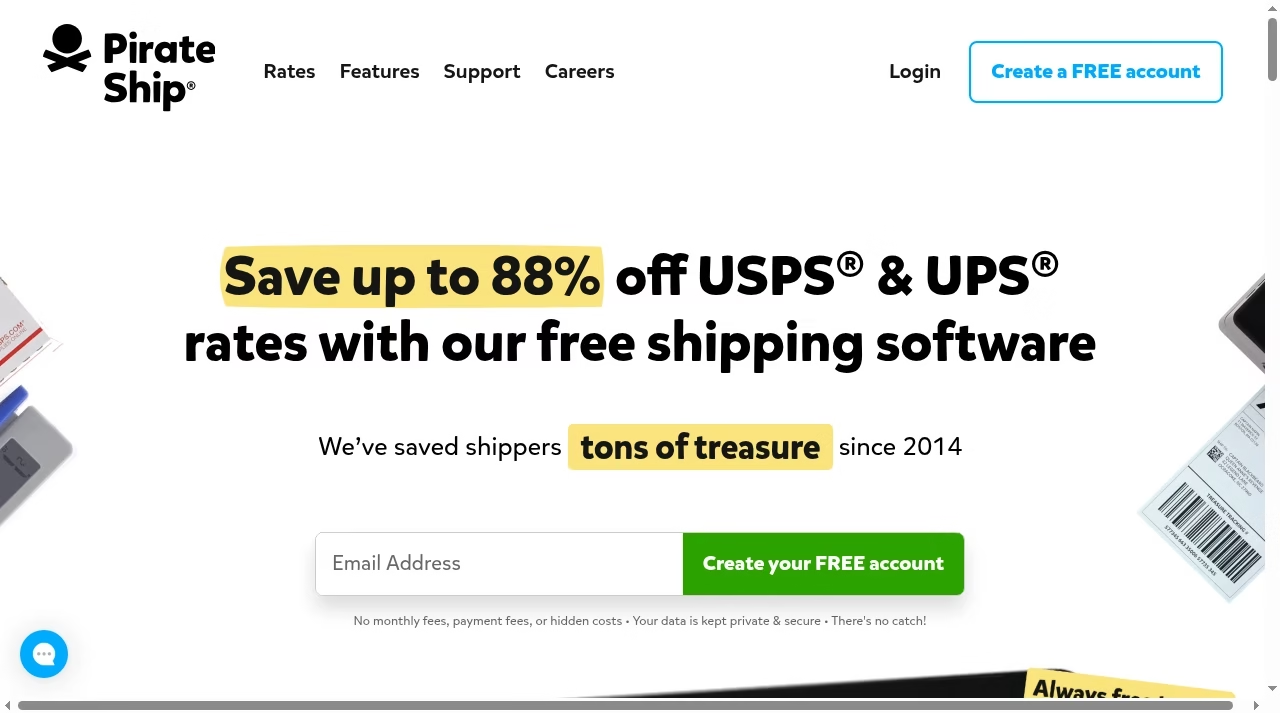
Pirate Ship advertises free shipping software with discounted USPS and UPS rates and no monthly fees. It is simple and fast for small sellers who mostly use those two carriers.
What to check before choosing
It does not aim to be a full order and inventory system. Check whether your sales channels connect, whether you need other carriers and how it handles returns before you move all volume.
Demo task: print labels for twenty parcels and time the process against your current one.
Small stores picking a platform can compare WooCommerce development companies.
4. Sendcloud: a shipping platform for European ecommerce
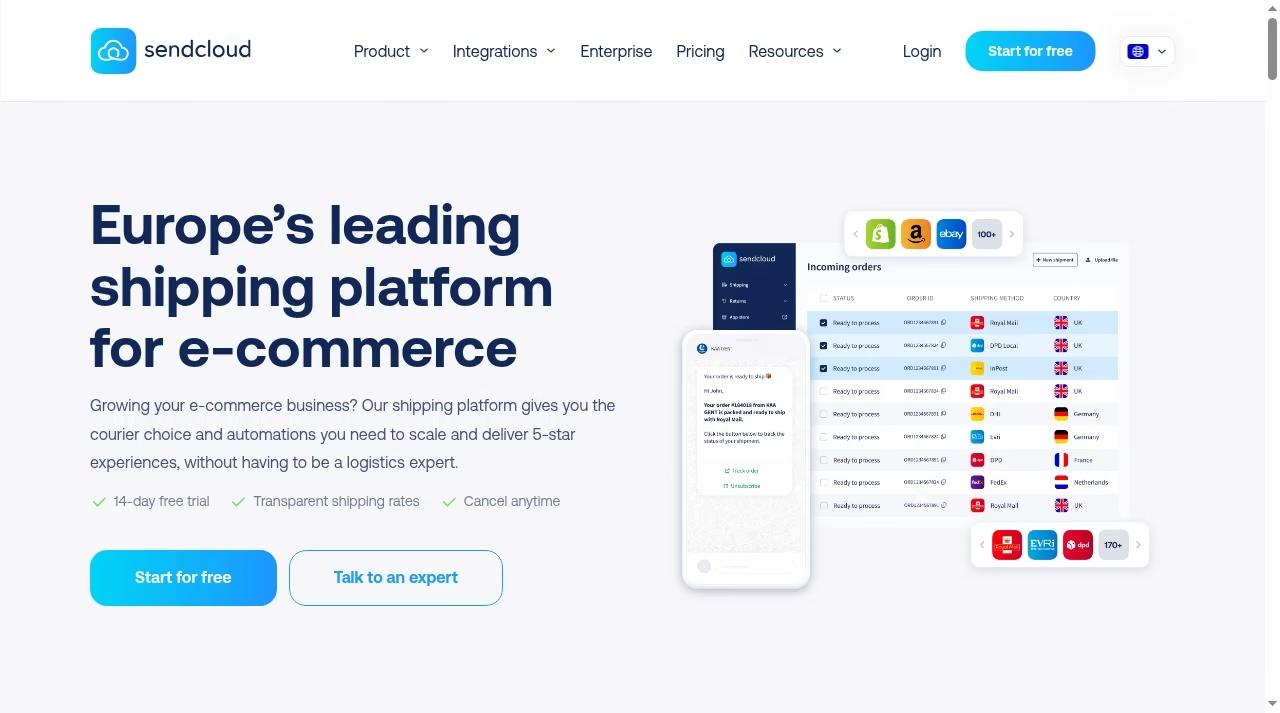
Sendcloud lists a plan at 0 euros for up to 20 parcels a month, then 28 euros a month plus 0.10 euros per label, and 87 euros a month plus 0.09 euros per label. It is aimed at shops that ship across European carriers.
What to check before choosing
The per-label fee and parcel volume decide the cost, so model your own numbers. Check carrier coverage for your destinations, return portals and tracking pages.
Demo task: set up two carriers, ship a parcel within your country and one abroad and review the tracking emails.
Shipping through delivery partners connects with logistics trends in the USA.
5. Easyship: cross-border shipping for sellers
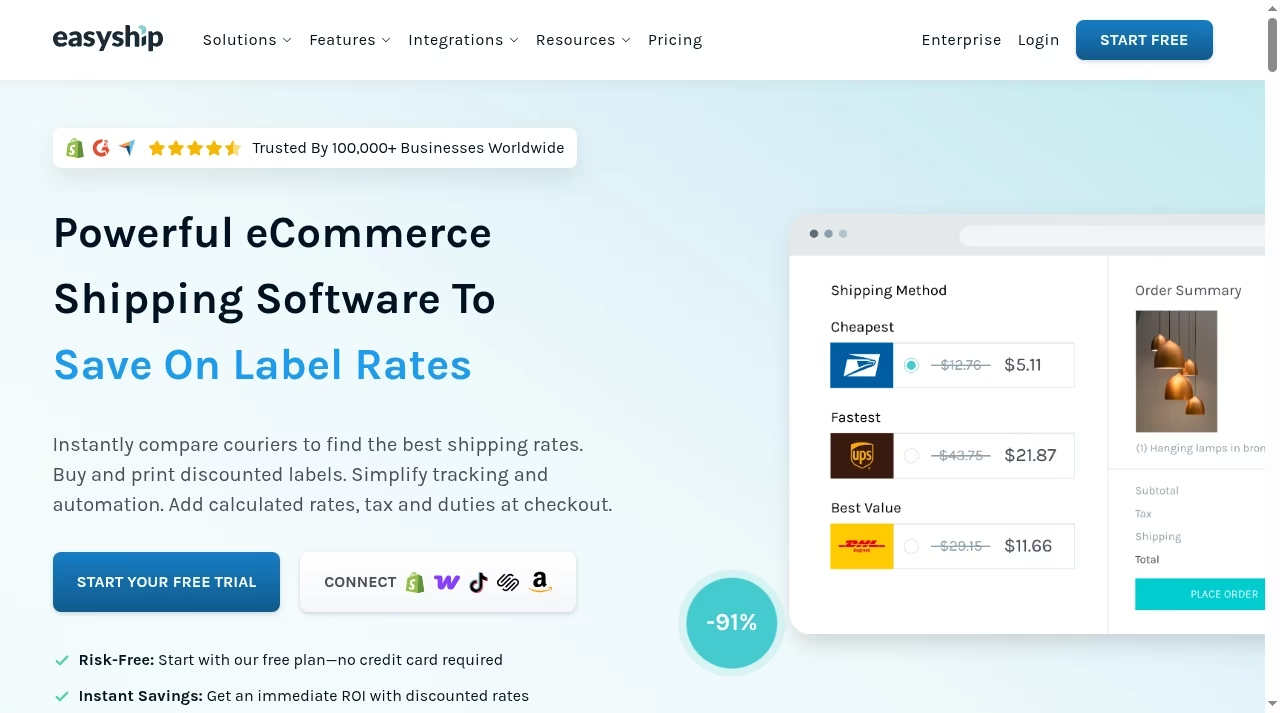
Easyship offers a free plan and a 14-day Pro trial. It is designed for sellers who ship internationally and need rates, duties, taxes and tracking in one place.
What to check before choosing
Confirm which features are inside the free plan versus the paid plans, including duty and tax calculation at checkout. Check carrier coverage for your main destination countries.
Demo task: quote five international parcels with duties and taxes and compare the landed cost to your current method.
Growing stores can read about retail ecommerce development companies when their checkout needs custom work.
6. Veeqo: inventory management with shipping, owned by Amazon
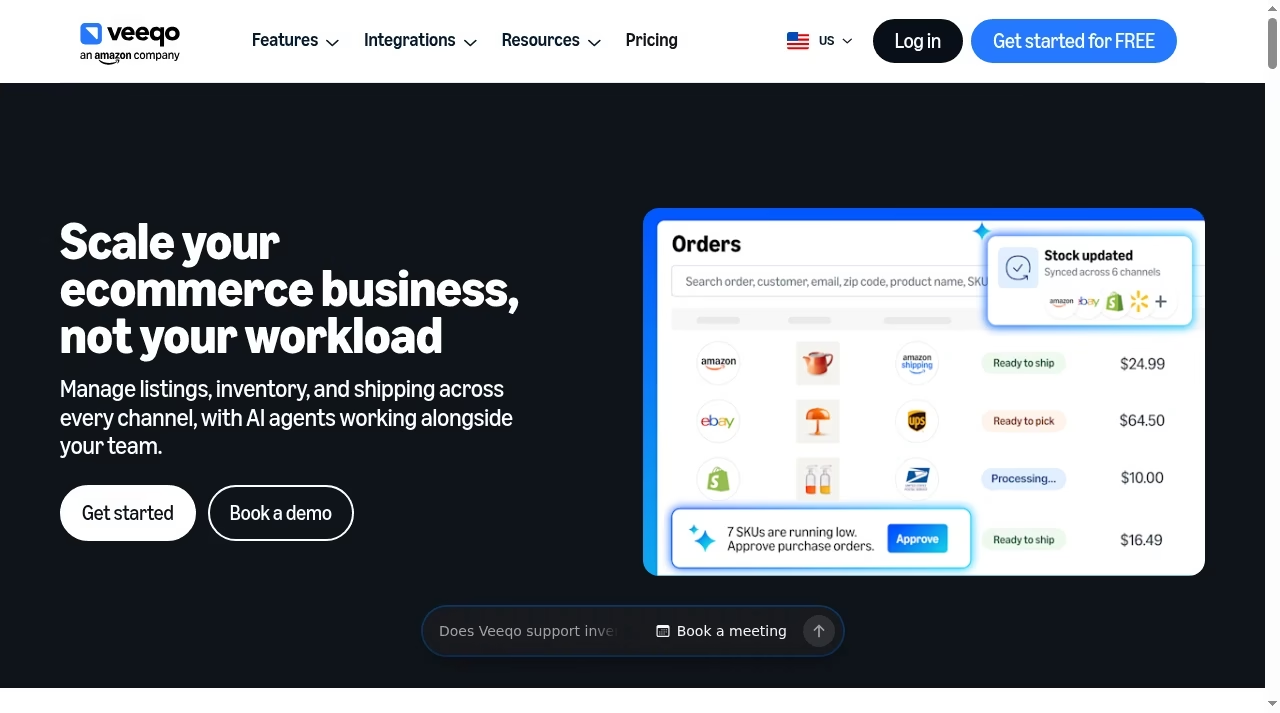
Veeqo lists a shipping product at no charge, plus plans at $19 and $350 per month on the pricing page we read, and the site notes it is owned by Amazon. It brings together inventory, orders and shipping across channels.
What to check before choosing
Check which plan unlocks inventory and multichannel features and how it handles non-Amazon marketplaces. Think about the long-term vendor relationship, since the owner is a marketplace.
Demo task: sync two channels, adjust a stock level and verify that both channels update.
Stock numbers are covered in the top inventory metrics.
7. ShippingEasy: simple shipping for small shops
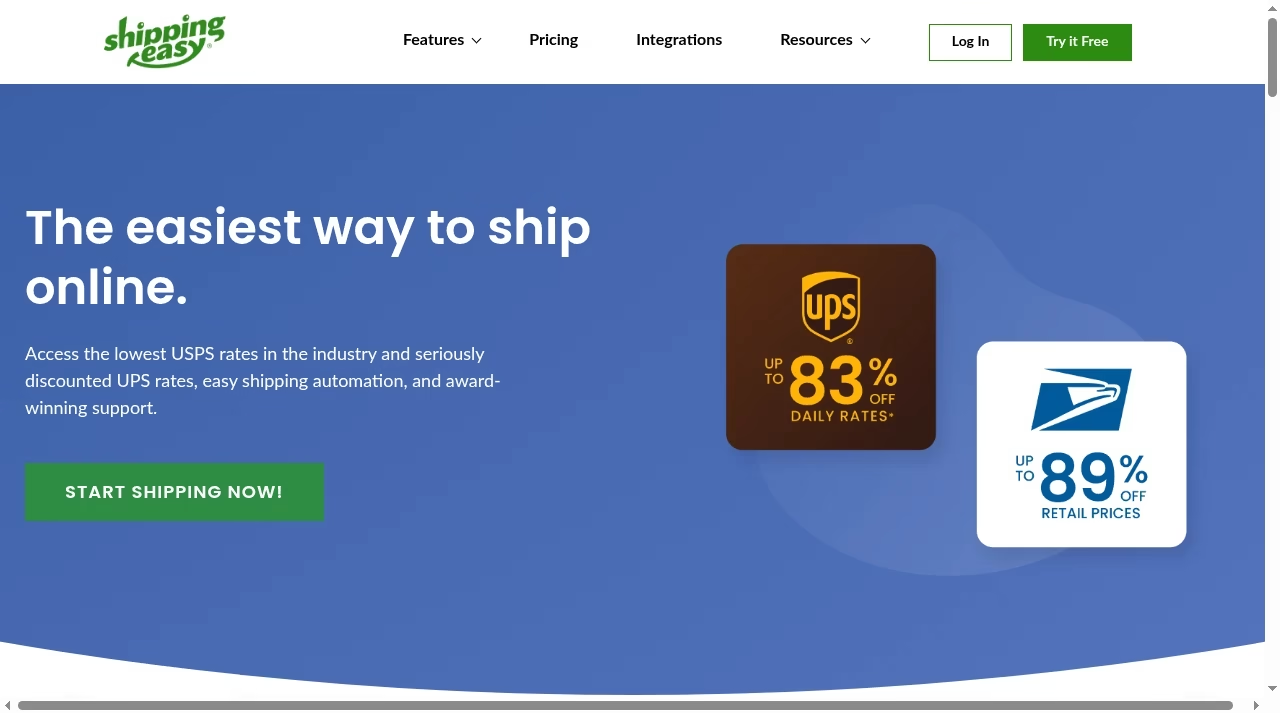
ShippingEasy lists a Starter plan at no cost for up to 25 shipments a month and a Growth plan at $19.99 per month. It focuses on discounted carrier rates, automation and order tracking.
What to check before choosing
The shipment caps decide when you outgrow a plan, so check where the limits are and what automation rules are included. Confirm which marketplaces import orders.
Demo task: ship 25 orders in a trial and see how much the rules save you.
Automation ideas are in our automation tools guide.
8. Ordoro: shipping, inventory and dropshipping in one account
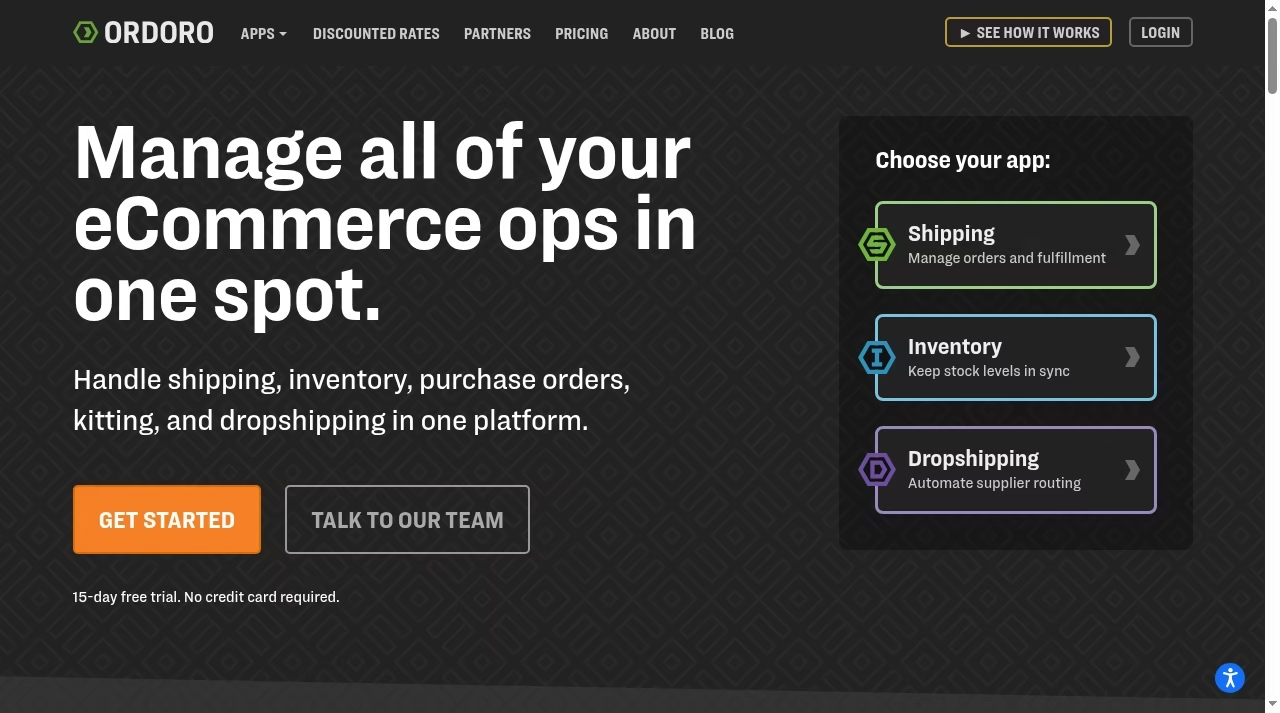
Ordoro sells separate modules for shipping, inventory and dropshipping. The pricing page we read shows shipping plans from free, then $59 and $149 per month, with higher plans of $299 and $349 attached to other modules.
What to check before choosing
Be careful to compare module by module, since the higher plans belong to different product lines. Ask which module combination you need and the total monthly cost.
Demo task: set up one dropship supplier and one product with a kit and ship an order through it.
Operations teams building their own software can read how to build custom logistics management software.
9. EasyPost: a shipping API for developers
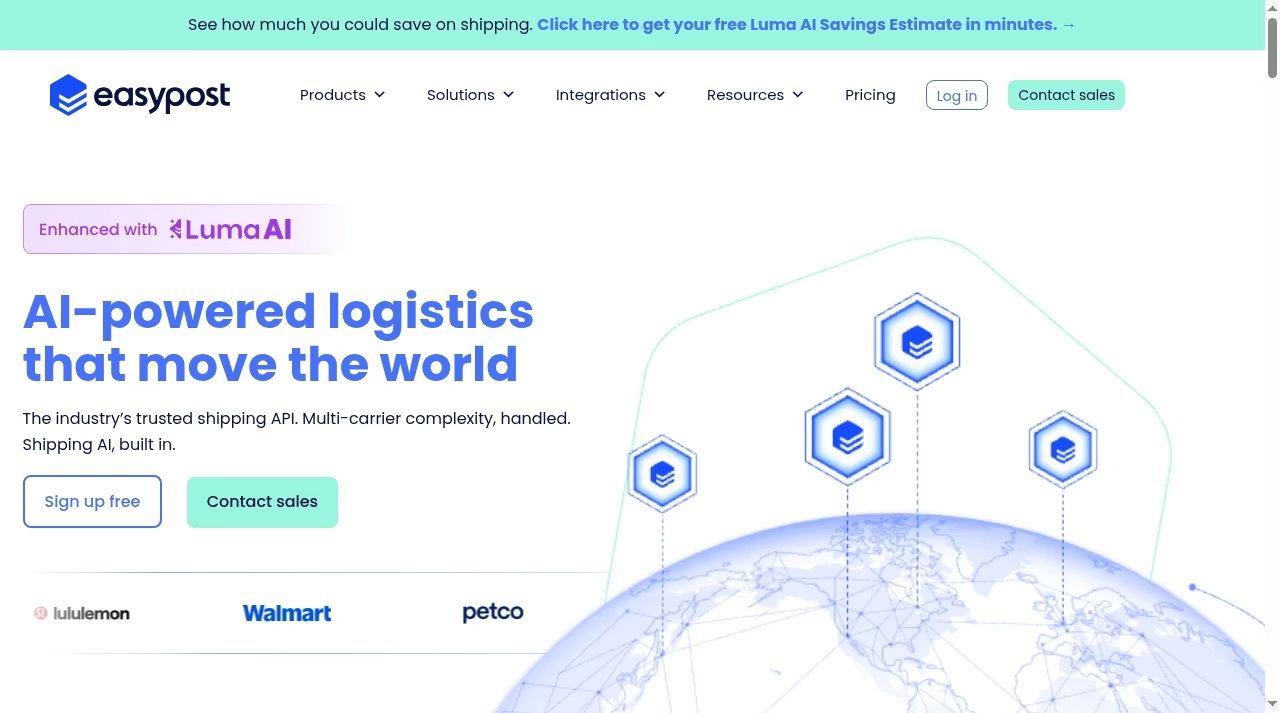
EasyPost lists free use up to 3,000 labels with wallet carriers, then $20 per month plus a per-label fee. It suits platforms and developers who want to build shipping into their own product.
What to check before choosing
You need developer time, and the cost depends on carriers and label volume. Check which carrier accounts you can bring and how support works.
Demo task: create a label via the API in a sandbox and review the tracking webhooks.
Fleet and delivery businesses might also read fleet technology and ecommerce logistics.
10. ShipEngine: a shipping API with a free tier
ShipEngine lists a Free plan at $0 and paid plans from $75 per month for 1,000 labels. It offers carrier integrations, rate shopping and tracking through an API.
What to check before choosing
As with other APIs, you need development time. Compare label volume tiers and what each includes, and check support for the carriers you use.
Demo task: request rates from three carriers through the API and compare response time.
The ERP side of shipping data is in ERP and business intelligence.
11. ShipHero: warehouse management for high volume
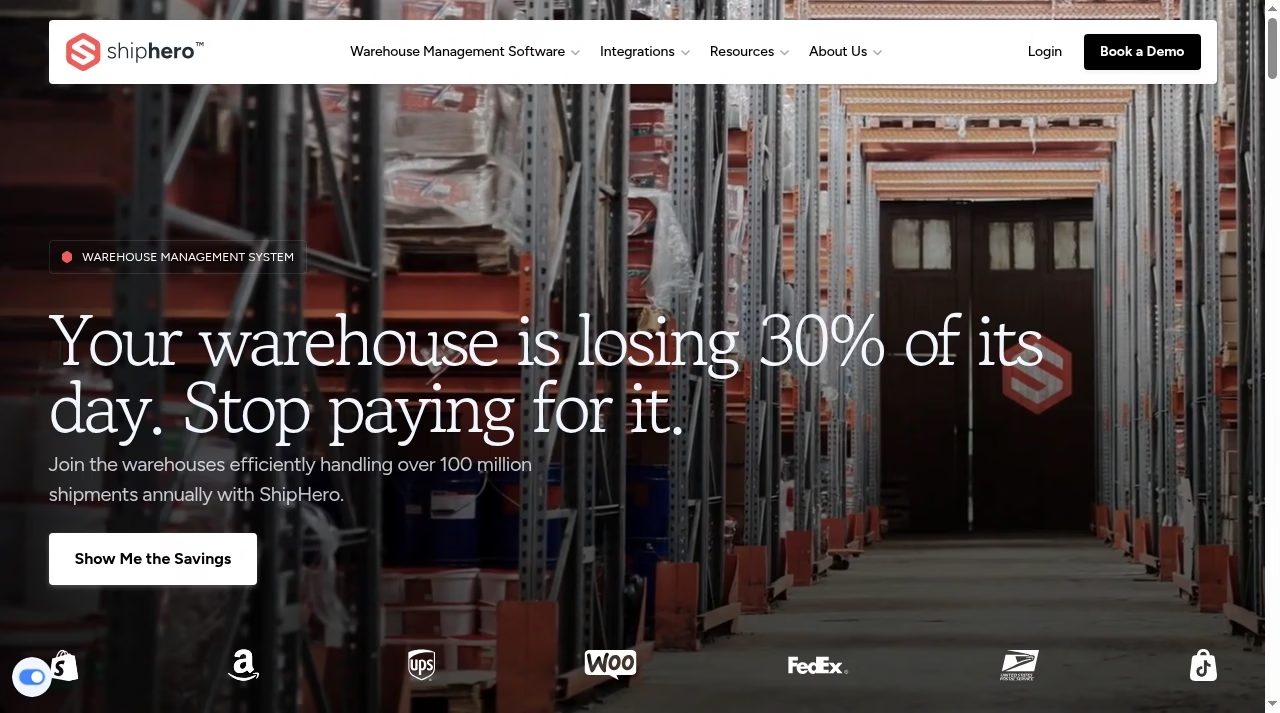
ShipHero is a warehouse management system and its pricing is demo-based. It targets operations that pick, pack and ship from a warehouse, with its home page highlighting savings on warehouse time.
What to check before choosing
This is a different class of tool from a label printer. Check whether you need warehouse processes, barcode scanning and integrations before you pay for it.
Demo task: walk through a pick, pack and ship flow for twenty orders with your actual product mix.
See also warehouse management system examples and warehouse optimization software.
Label software, inventory system or warehouse system: which do you need?
Shipping tools fall into three layers. The first layer buys labels and tracks parcels, which is what Pirate Ship, Shippo and ShippingEasy do. The second layer adds inventory, purchase orders and multichannel stock sync, which is Veeqo and Ordoro territory. The third layer is a full warehouse system for locations, picking and receiving, which is ShipHero. Buying a higher layer than you need adds cost and training, but buying a lower layer than you need adds manual work and mistakes.
A useful test is to count the problems you have today. If your problem is the time spent copying addresses and buying labels, start at the first layer. If you oversell stock because marketplaces are out of sync, you need the second. If you lose time walking a warehouse, you need the third. Our guide to warehouse optimization software and the inventory metrics article help you measure those problems before you buy anything.
Carrier rates, fees and the real cost per parcel
The monthly software price is only one part of the cost. Carrier rates, label fees, insurance, address fixes, returns and duties all change the cost per parcel. Sendcloud, EasyPost and Shippo include per-label fees in some plans, while Pirate Ship advertises free shipping software. Compare tools by shipping a sample batch and recording the total paid for each parcel.
Also check the sales channel connections. A shop on Shopify, WooCommerce or a marketplace needs a native integration, or you will export and import files by hand. Our guides to Shopify app development companies and WooCommerce development companies help when you need custom work, and retail ecommerce developers help when your checkout needs rates from your own logic. For wider planning, USA logistics trends show where carrier costs and delivery speed are heading.
How to choose in five steps
Count monthly parcels, list the sales channels, pick your main carriers and countries, test two tools on a real batch and ask about cancellation. If you are a developer building your own platform, compare the API options first. Sellers who automate beyond shipping can read automation tools and custom logistics software.
Frequently asked questions
What is the cheapest ShipStation alternative?
Pirate Ship advertises free software with discounted USPS and UPS rates, and Shippo and ShippingEasy list free starter plans. Cheap software does not mean cheap shipping, so compare the final cost per parcel.
Which ShipStation alternative is best for Shopify sellers?
Shippo, ShippingEasy, Veeqo and Ordoro all connect to Shopify, and Pirate Ship works for sellers who import orders. Test the integration with real orders, since feature coverage varies by plan.
What should European sellers use?
Sendcloud is built for European ecommerce and lists a 0 euro plan for up to 20 parcels a month. Easyship is also an option for cross-border sellers, so compare carrier coverage for your main routes.
Do I need an API like EasyPost or ShipEngine?
Only if you build your own platform or want shipping inside your own software. EasyPost lists free use up to 3,000 labels with wallet carriers, and ShipEngine lists a Free plan, but both need development time.
When do I need a warehouse system like ShipHero?
When you run a real warehouse with pick lists, bin locations and barcode scanning, and when mistakes at picking cost real money. A label tool is enough for most small shops that ship from a back room.
Can I keep my existing carrier accounts?
Many tools let you connect your own carrier accounts, but the rules differ by plan and carrier. Ask each vendor which carriers you can bring and whether you lose any discounted rate by doing so.
How do I switch without disrupting orders?
Run the new tool in parallel for a week on a small share of orders, keep the old one for the rest and compare label costs, tracking and customer emails before moving everything.


Leave a Reply