



AI tools solve different jobs. This guide compares ten current products across writing, research, images, audio and video. Start with the task you need done, then check each vendor’s plan limits before signing up.
How we chose these tools: We reviewed official product and help pages in September 2026 and grouped products by useful output. This is desk research, not a hands-on test or scored ranking. Product features and limits change; verify them with the linked vendors before purchase.
The ten tools at a glance
These tools are not interchangeable. ChatGPT, Claude and Gemini are general assistants; NotebookLM and Perplexity focus on research; Canva and Midjourney make visuals; ElevenLabs handles voice; Runway and HeyGen make video. Try a sample task in the tool you are considering before paying.
| Tool and best use |
|---|
| ChatGPT: Draft and revise writing, analyze mixed tasks. Check claims and plan limits. |
| Claude: Work through long briefs and source documents. Check outputs against source files. |
| Gemini: Handle questions and multimodal tasks in Google workflows. Check account and regional access. |
| NotebookLM: Make notes from your own files and URLs. Open cited passages. |
| Perplexity: Find current public-source leads. Read original pages and dates. |
| Canva Magic Studio: Make editable branded layouts. Review generated assets and rights. |
| Midjourney: Explore image concepts. Check visibility and commercial rights. |
| ElevenLabs: Prototype narration and spoken audio. Check consent and pronunciation. |
| Runway: Generate and edit video shots. Check credits, length and licensing. |
| HeyGen: Make scripted presenter explainers. Check likeness and voice permissions. |
How to choose an AI tool
- Input and output: Do you need an answer from your own documents, a visual design, a spoken voice, or a video?
- Evidence: For research, check whether sources are displayed and read the originals before citing a result.
- Rights and privacy: Check upload, commercial-use and sharing terms before using client or sensitive data.
- Limits: Confirm the current plan’s credits, output length, watermark and team access on the vendor site.
If your main goal is building an app rather than creating content, see our app builders comparison. For a narrower video workflow, read our text-to-video guide.
Writing and general assistance
1. ChatGPT: flexible writing and analysis
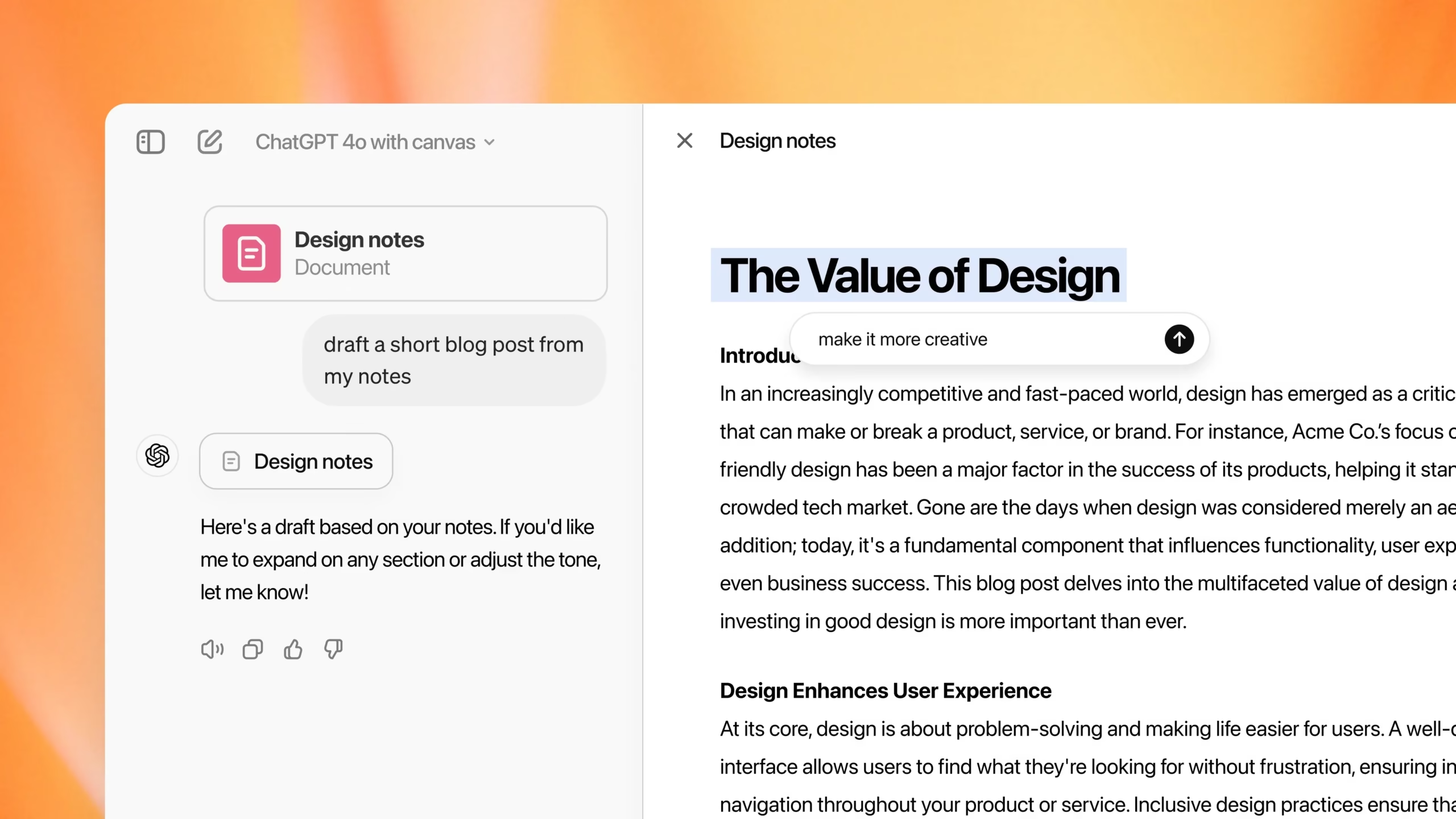
ChatGPT is a general AI assistant for drafting, brainstorming and working through questions. OpenAI’s Canvas guide describes a workspace for editing longer writing and code. Best when you need to iterate on a draft or switch between several everyday tasks. Check: Verify claims and sources independently; the available models, tools and usage allowances depend on your current plan.
Practical workflow: Start with a brief and a source document, ask for an outline, then revise one section at a time. Canvas offers a dedicated editing surface for longer text and code. A polished answer is not evidence that a statistic is correct, so keep citations outside the generated draft until you have checked them.
2. Claude: writing and document work
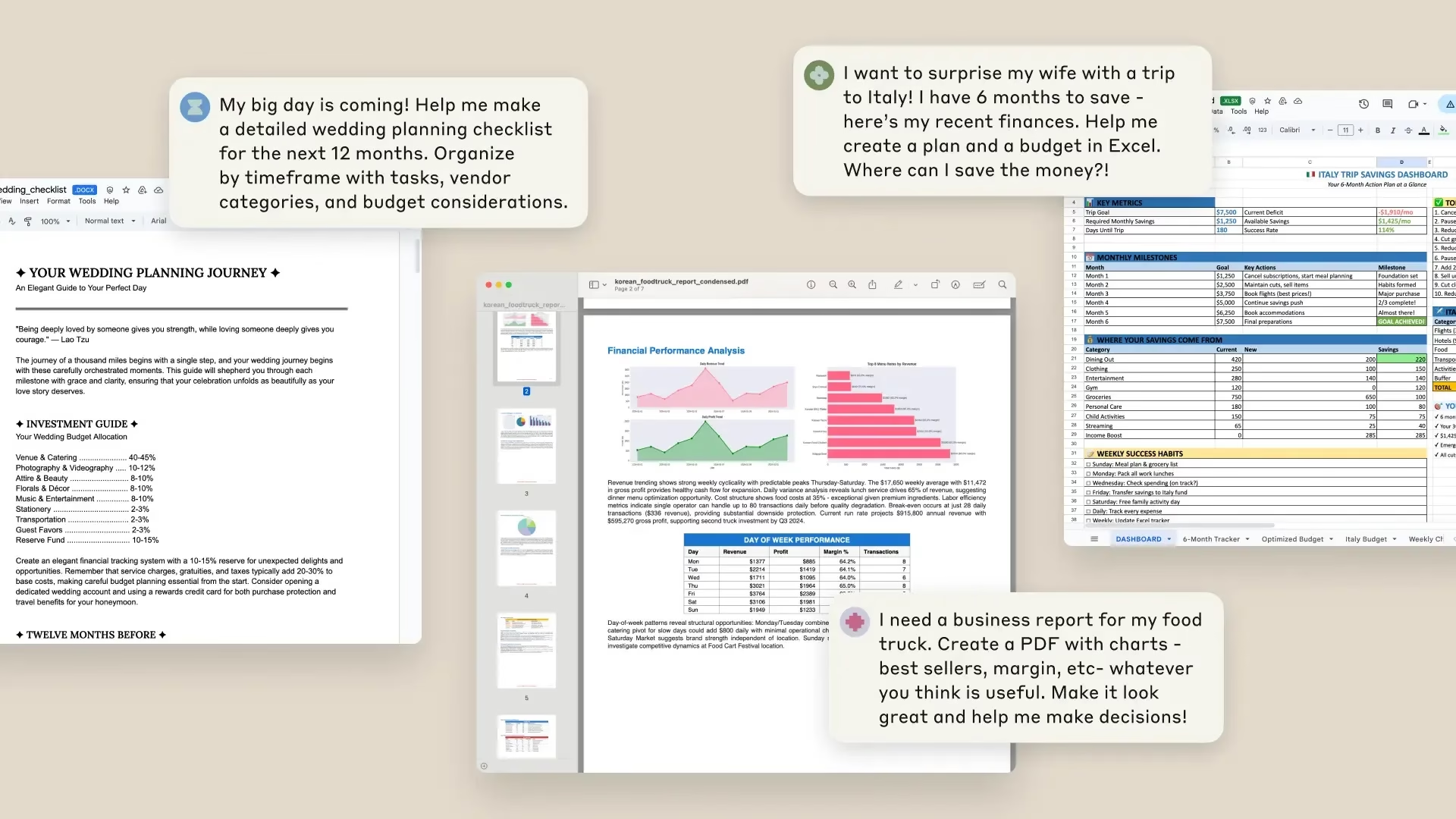
Claude is Anthropic’s assistant for writing, reasoning and working with documents. It is a useful comparison for a long brief or an editorial pass: give both assistants the same source material and judge how well each follows your requirements. Check: Review the cited source and output yourself, and confirm current model access and limits with Anthropic.
Practical workflow: Give Claude the same brief and source material you use with another assistant, then compare structure, omissions and how well it follows constraints. Its file-creation tools can produce working documents, but opening each output and checking formatting and facts is still part of the job.
3. Gemini: an assistant across Google’s ecosystem
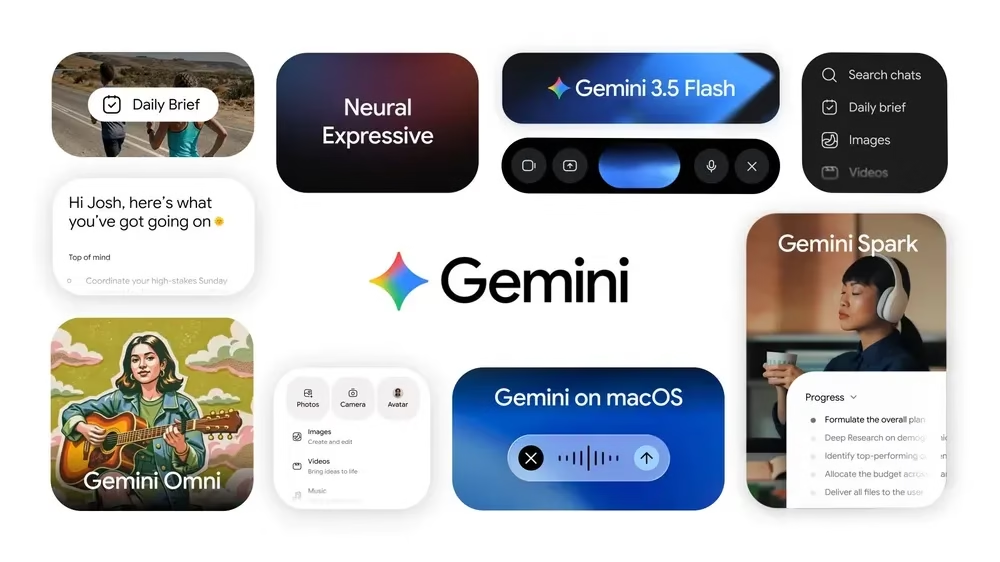
Gemini is Google’s AI assistant for questions, drafting and multimodal tasks. If you already work in Google products, test whether its workflow fits the tools you use before choosing a plan. Check: Availability of integrations and advanced features varies by account, region and subscription; do not assume every feature is included.
Practical workflow: Use Gemini for a short task that crosses text and images, then compare the editing steps with your existing Google workflow. Feature access differs by product, region and plan; check the exact account and tool before depending on a Google integration for a deadline.
Research and source-based notes
4. NotebookLM: work from a collection of sources
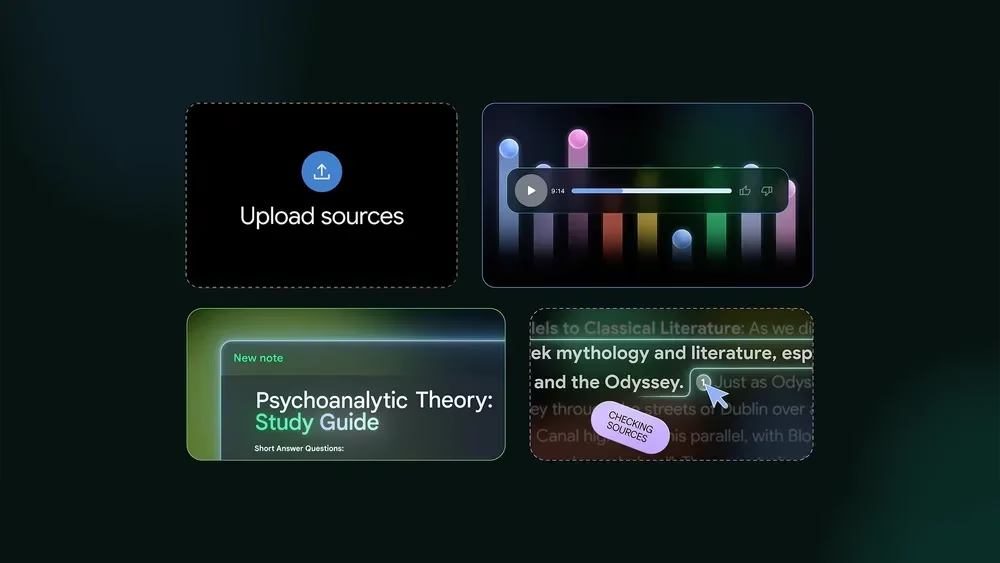
NotebookLM is useful when the starting point is material you provide rather than an open-ended prompt. Google describes source citations and supported input types, alongside audio and video overviews. Best for notes on a set of documents or URLs. Check: Open the underlying passages before quoting or making a decision; an overview is not a substitute for reading the source.
Practical workflow: Create a notebook from a small set of primary documents and ask questions that can be answered from those sources. Follow the cited passage back to its document. Audio or video overviews help orient a reader, but they may leave out qualifications that matter for a decision.
5. Perplexity: search-led answers

Perplexity presents web answers with sources. Its help guide explains how it searches and cites information. Best for finding leads to current public sources, not for treating an AI summary as proof. Check: Read cited pages, verify their dates and compare conflicting evidence.
Practical workflow: Ask a narrow question with a date or jurisdiction, then inspect the original pages behind the answer. A list of links is a research starting point, not a fact check. Compare at least two sources if the answer could have changed recently.
Images and design
6. Canva Magic Studio: design within templates

Canva Magic Studio brings AI-assisted creation into Canva’s design workflow. Choose it when your output needs to become a presentation, social visual or branded layout that a team can edit. Check: Verify which Magic Studio tools and commercial-use terms apply to your plan, and review generated text and imagery before publishing.
Practical workflow: Begin with a brand template, generate an initial visual or text draft, then check every line and asset against your style guide. Canva works best here when the deliverable needs to stay editable for non-designers; a generated layout still needs a human pass for spacing and rights.
7. Midjourney: image generation

Midjourney focuses on creating images from prompts. Its official getting-started guide describes the current workflow. Use it for visual exploration when you can spend time refining prompts and selecting outputs. Check: Confirm image rights, visibility and plan limits for your intended use; do not assume every generated image is fit for a brand or client.
Practical workflow: Write a small visual brief with subject, composition and aspect ratio, then compare variations before refining a direction. Treat a striking image as a concept until you check whether its visibility, rights and recognizable people or marks fit the final use.
Voice and video
8. ElevenLabs: AI voice
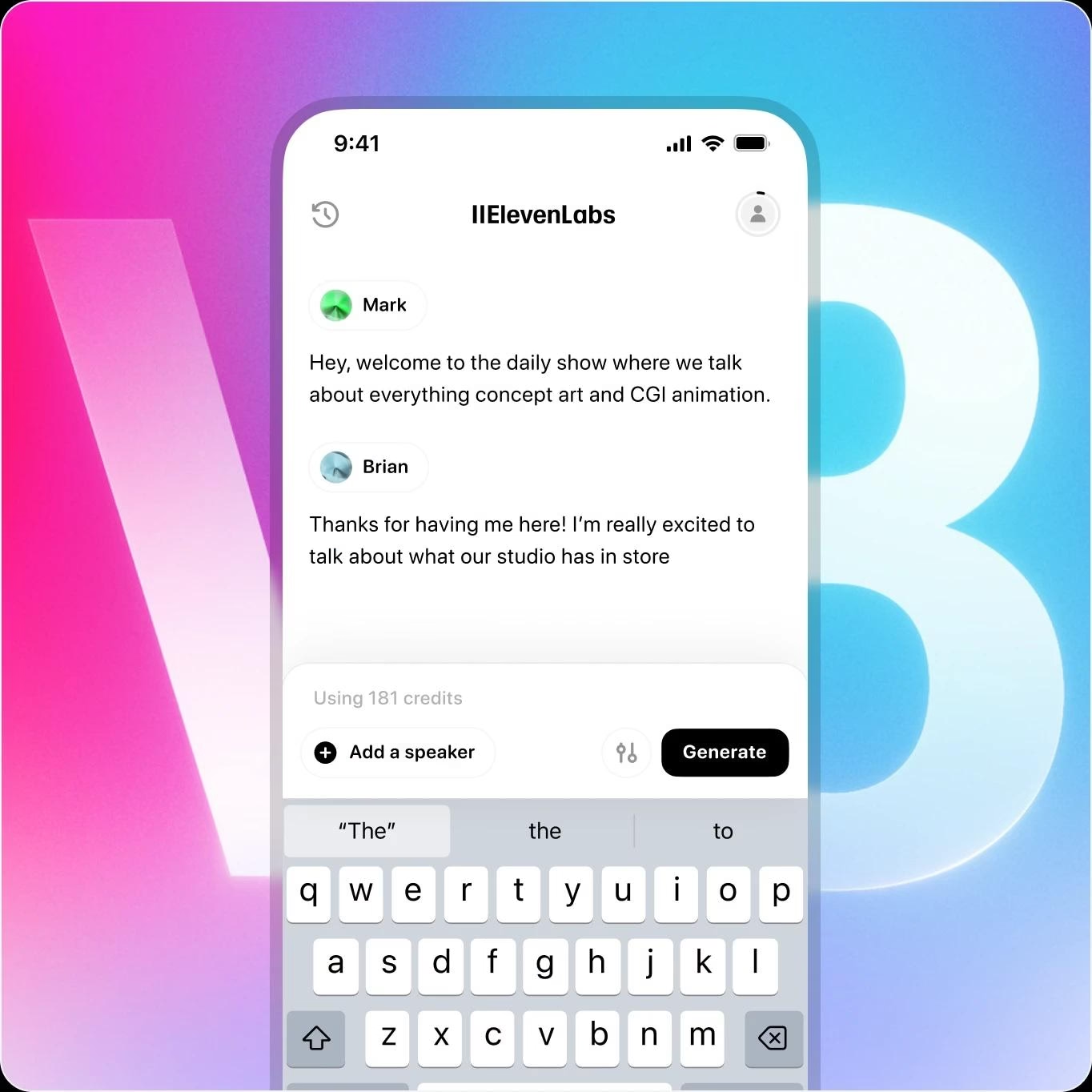
ElevenLabs turns text into spoken audio; its documentation covers the text-to-speech capability. Good for narration prototypes and multilingual voice content when you need to hear how a script sounds. Check: Listen to names and pronunciation, and review consent, voice-cloning and commercial-use rules before distributing audio.
Practical workflow: Test a short script with names, dates and unusual words before generating a full narration. Listen to the exported audio instead of judging from text alone. Any cloned or likeness-based voice needs consent and a rights check before distribution.
9. Runway: generated and edited video
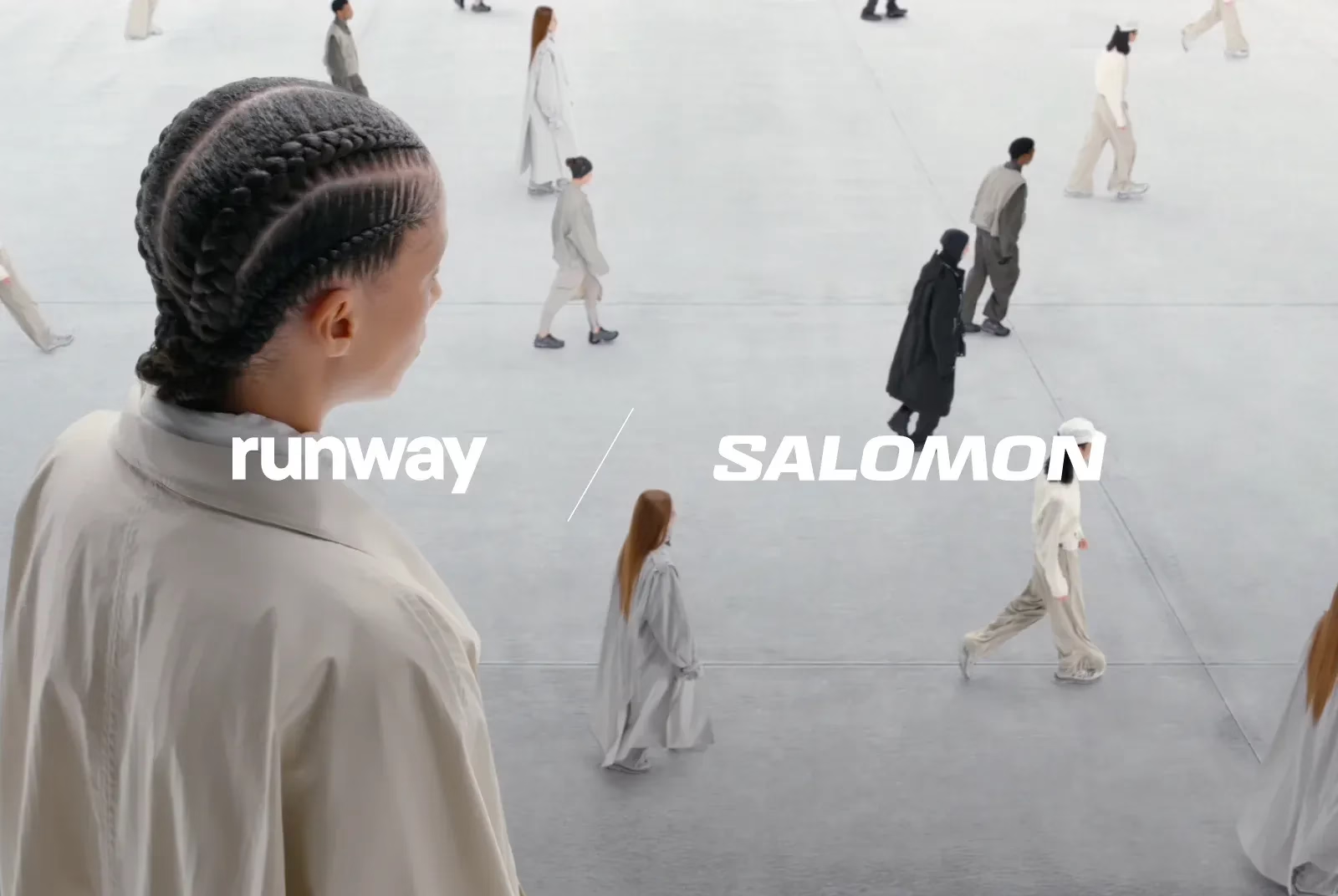
Runway focuses on AI image and video creation. Its video guide walks through prompting, generation and iteration. Choose it for visual scenes and shots, not as a general writing assistant. Check: Test motion, consistency and output duration on your actual brief, then review current credits and licensing.
Practical workflow: Generate a short shot from a clear visual prompt, inspect motion and continuity, then iterate before committing to a longer edit. Credits and output length can change by plan, and a good still frame does not guarantee usable video across an entire clip.
10. HeyGen: presenter-style video
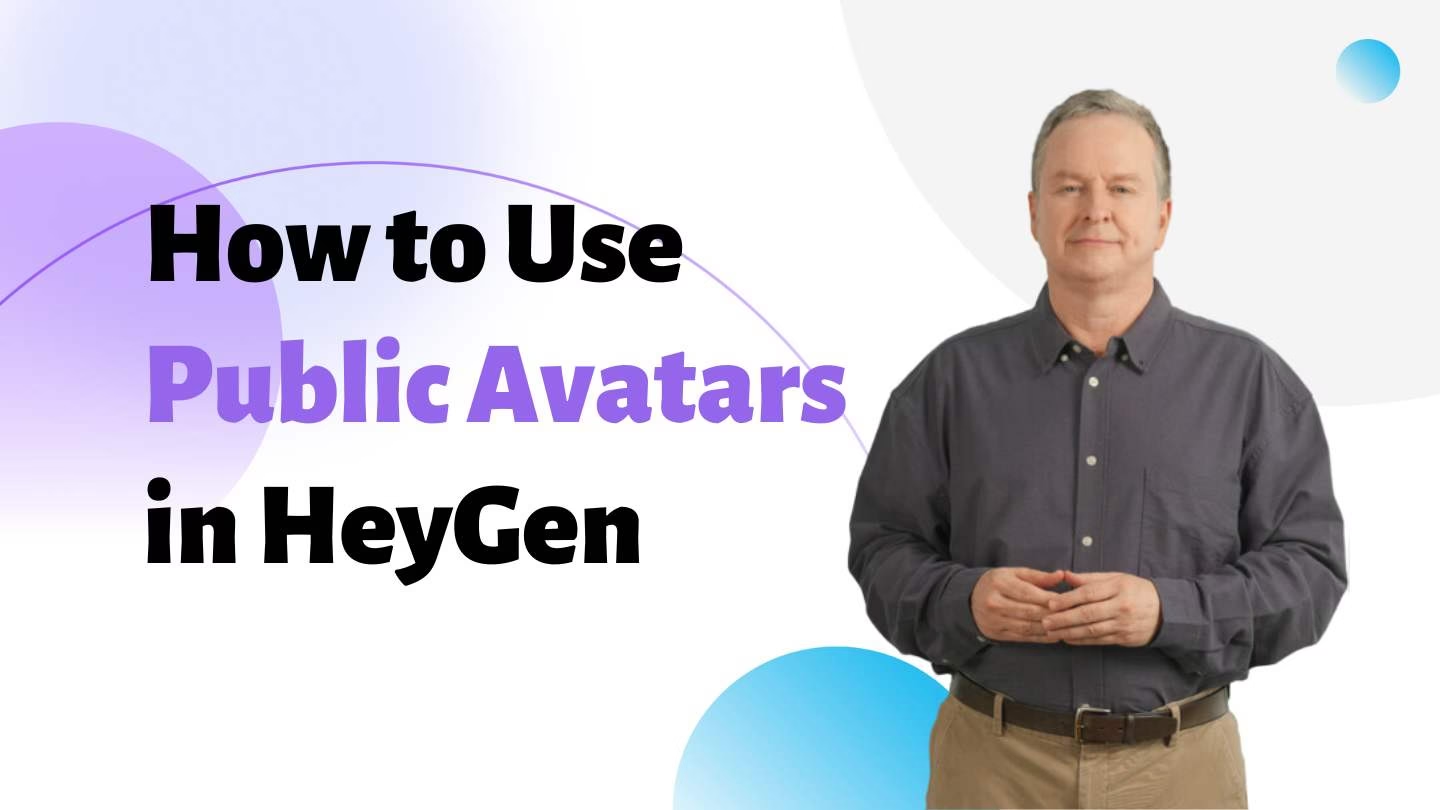
HeyGen is aimed at presenter and avatar videos. Its Quick Avatar Video guide shows one current workflow. Use it when a scripted talking-head format fits better than generated scenes. Check: Verify avatar and voice permissions, export quality, languages and plan limits before using a person’s likeness.
Practical workflow: Use a short explainer script to test pacing and avatar delivery, then review mouth movement, pronunciation and subtitles. For a real person or brand, verify consent and permissions for both the face and the voice before release.
What to test before choosing
Give two tools in the same category the same small task and source material. Record time to a usable result, errors, editing effort, export options and the actual plan limits you hit. Keep screenshots and prompt versions. We have not run those tests for this article, so the profiles above are a research-based starting point rather than a verdict from first-hand use.
For deeper comparisons, see our guides to AI writing tools and AI tools for small businesses. Both are older articles, so verify any product details there against current vendor pages.




Leave a Reply