



Trustpilot is a public review site first and a review-collection product second. That is its strength and, for many small stores and local businesses, its problem. You pay to invite customers and respond, but the profile is public, moderated by Trustpilot and shared with your competitors. The ten tools below solve the same underlying job in different ways: collect reviews, show them where buyers decide, and keep the reputation work manageable.
Short version: Judge.me and Okendo suit Shopify stores, Birdeye, Podium and Reputation suit location-based businesses, Feefo and REVIEWS.io are the closest in spirit to a trusted review brand, and Grade.us suits agencies managing many clients. Pricing facts below come from official pages checked October 13, 2026, and several vendors only quote prices on request, so confirm current terms before you sign.
Compare Trustpilot and ten alternatives at a glance
| Product | Best starting fit | Commercial check |
|---|---|---|
| Trustpilot | Public trust profile for a small brand | Invitation limit, 12-month term, revenue cap on Starter |
| Judge.me | Shopify product reviews | Free and low flat plan, store platform fit |
| Yotpo | Reviews plus loyalty and UGC | Order-volume pricing, module bundling |
| Stamped | Reviews, rewards and referrals | Order-volume tiers, check the current price page |
| Okendo | Shopify brands with larger catalogs | Order-volume pricing, demo-led |
| Reputation | Multi-location reputation and listings | Per-location pricing by tier |
| Birdeye | Local reviews, messaging and AI | Location-based, quote style |
| Podium | Local messaging with review requests | Quote-based, check contract length |
| REVIEWS.io | Company and product reviews with Google sharing | Confirm plan and volume on a call |
| Feefo | Verified reviews from real purchases | Confirm plan and volume on a call |
| Grade.us | Agencies running review campaigns for clients | Client-based plans, white-label scope |
1. Trustpilot: the baseline to measure against
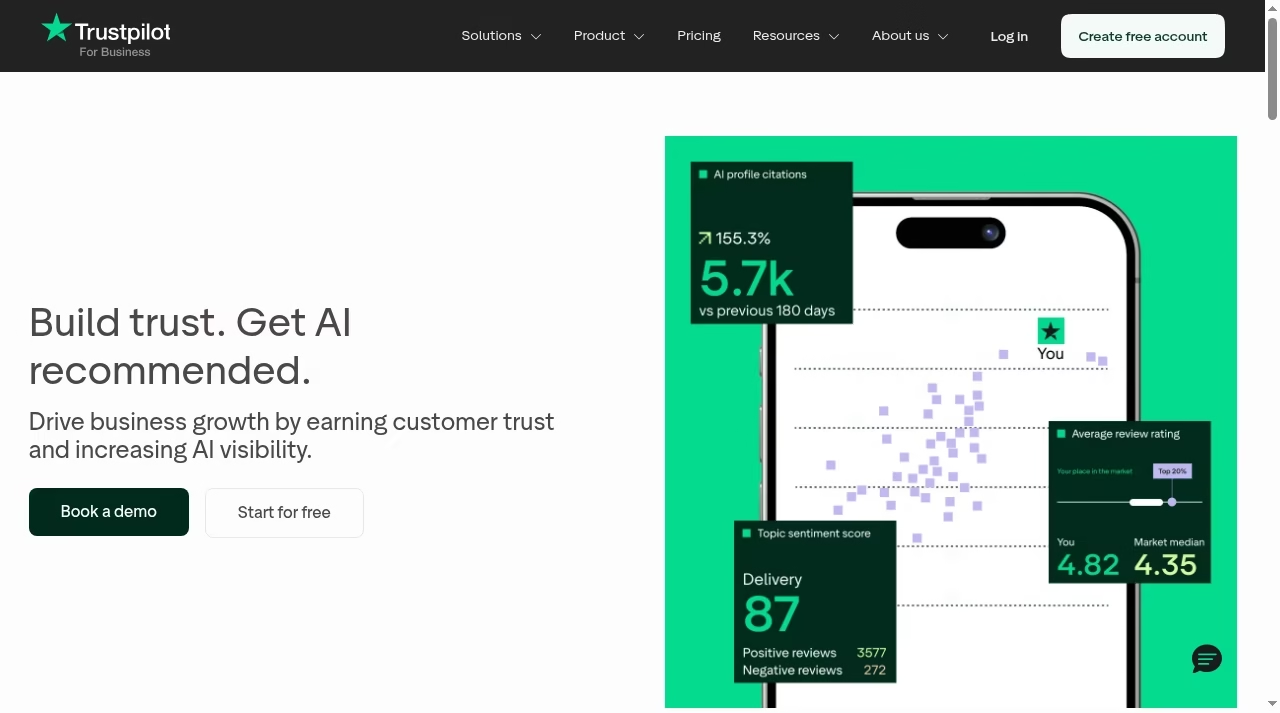
Trustpilot Business lists a Starter plan at $99 per month per domain on annual billing, with 100 review invitations a month and a 12-month commitment, and the page states Starter is for small businesses under a revenue ceiling. Plus is listed at $319 and Premium at $799 per month. The public profile gives buyers an independent place to read about you, which is the main reason to stay.
What to check before choosing
Invitation volume is the limit that bites first. If you sell hundreds of orders a week, 100 invitations a month will not cover them, and the next tier is a large jump. Also confirm what happens to negative reviews you dispute, because the site decides outcomes, not you.
Demo task: import a week of real order emails, send invitations to a sample, and time how long a flagged review takes to be reviewed and answered.
2. Judge.me: low-cost reviews for online stores
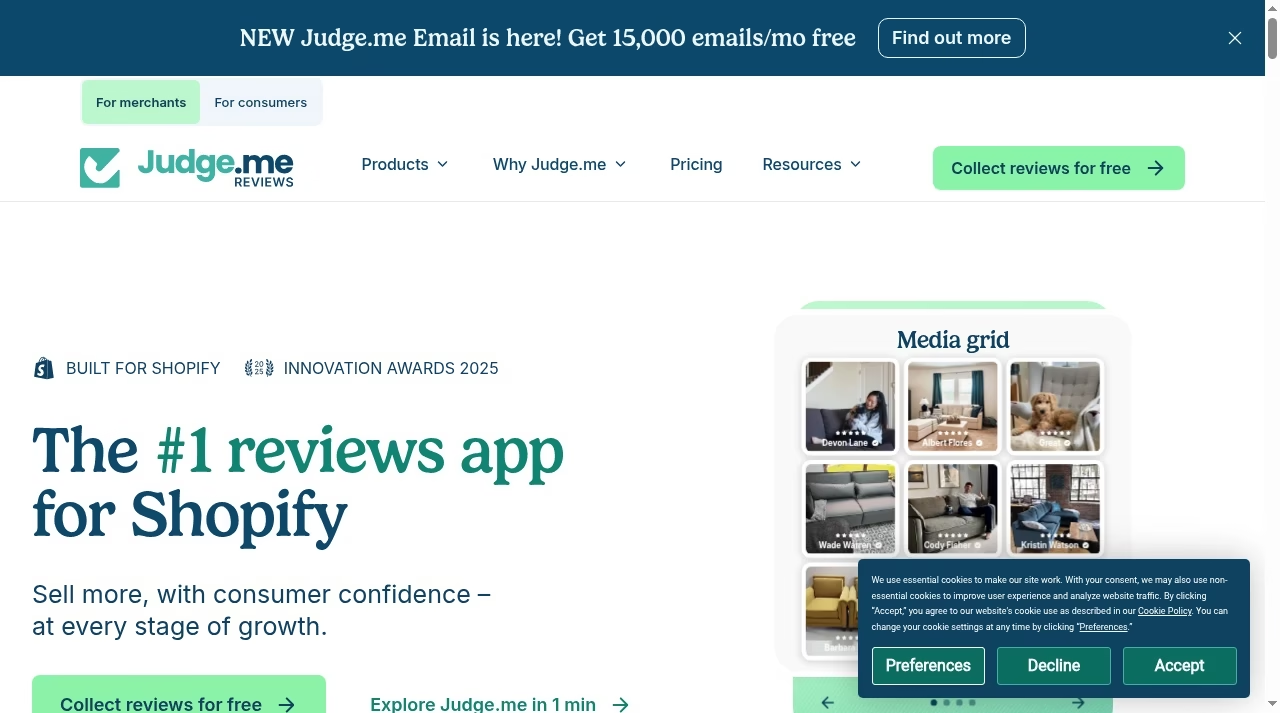
Judge.me is built mainly for Shopify and lists a Free plan at $0 and a paid plan at $15 per month, with the page stating that $15 is the most you can ever pay. That flat structure is unusual in a category where pricing usually tracks orders. It collects text and photo reviews, requests them by email, and displays them in widgets and a media grid.
What to check before choosing
Check which review request, import and widget features sit behind the paid plan, and whether your storefront platform is supported natively. The tool serves your own site more than a public brand profile, so it will not replace an independent review destination for shoppers who search for one.
Demo task: install it on a test store, send a review request for a recent order, and see the widget on a product page before you pay.
Stores that want to compare apps before buying should also read our guide to Shopify loyalty apps, since reviews and rewards are often bought together.
3. Yotpo: reviews with loyalty and UGC in one stack
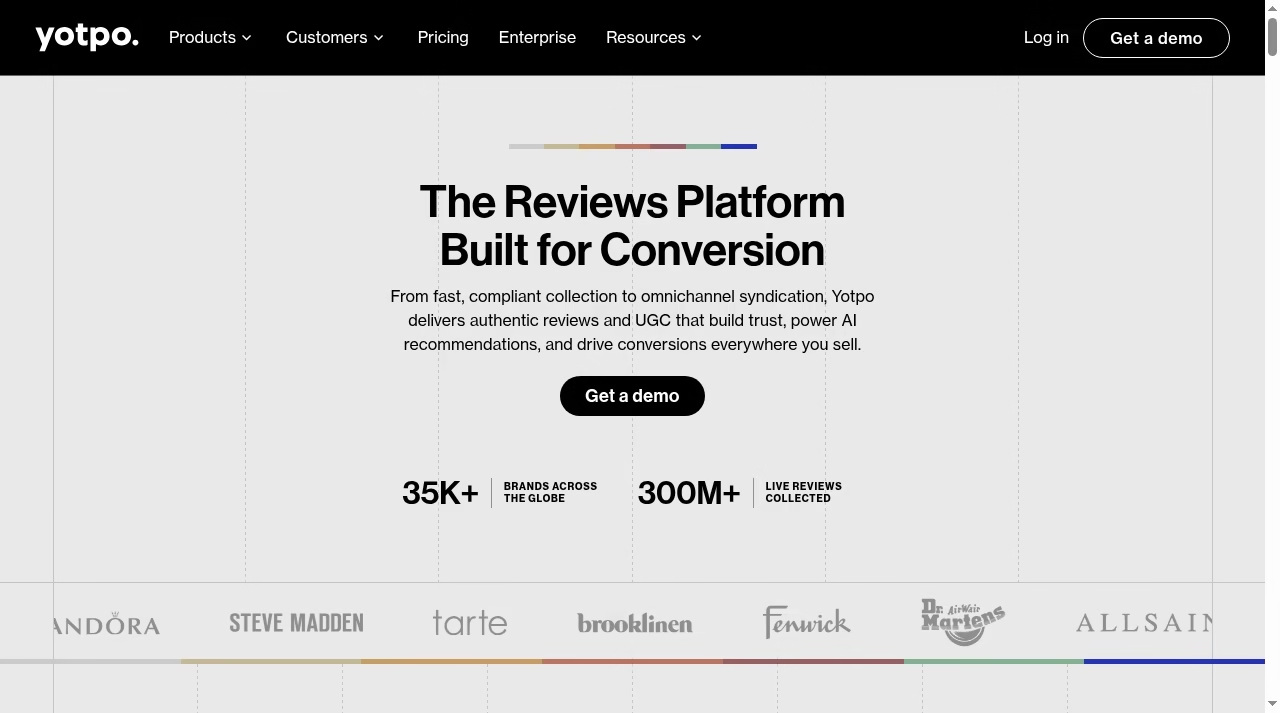
Yotpo sells Reviews alongside loyalty, referrals and user-generated content. Its Reviews product lists a limited free plan up to 50 monthly orders, with Starter at $89 per month and Pro at $169 per month on the pricing page we fetched, and pricing moves with order volume.
What to check before choosing
The attraction is a single vendor for reviews and loyalty, the risk is bundling. Confirm which features are in your order tier, how data exports work if you leave, and whether the loyalty and review modules need to be bought together.
Demo task: price your real monthly order volume on the pricing calculator and ask which features disappear if you step down a tier.
If you are also deciding on rewards, the Shopify loyalty apps guide covers the loyalty half of the bundle.
4. Stamped: reviews, rewards and referrals for ecommerce
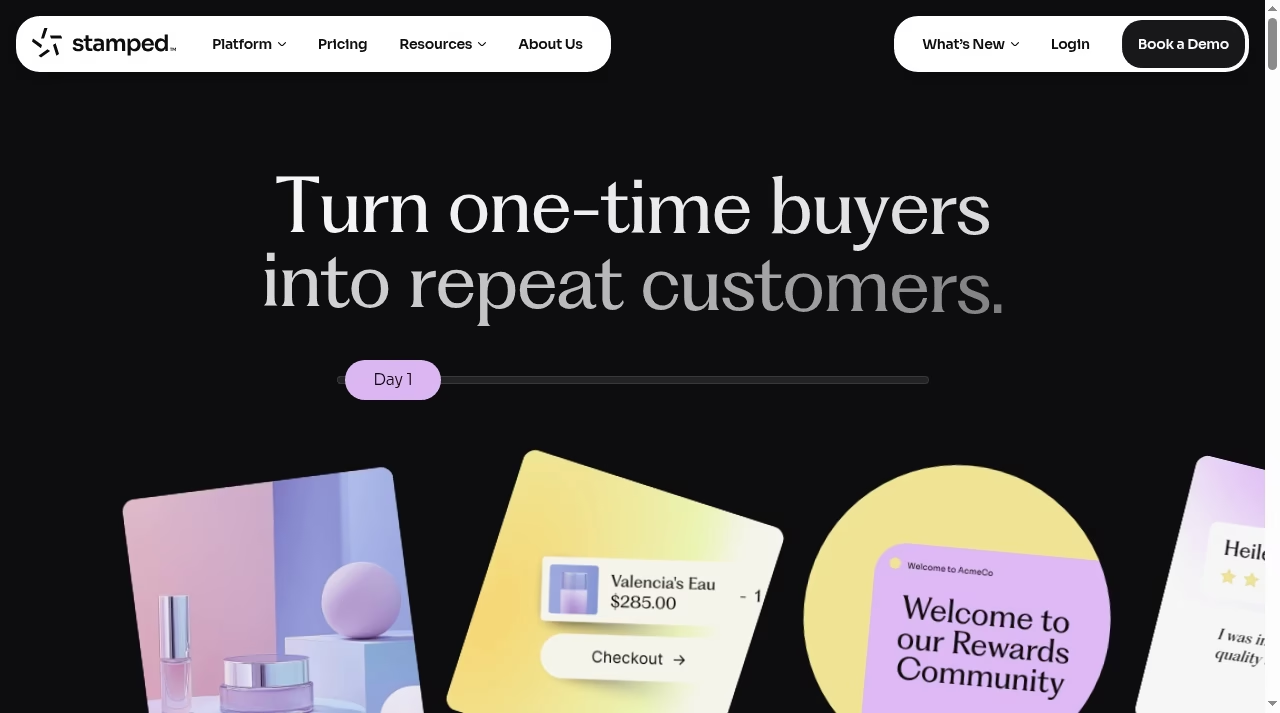
Stamped combines product reviews with loyalty, referrals and visual UGC for online stores. Its pricing is based on order volume, and the page we read showed a Reviews price at one volume level, which can differ from what a store with your numbers pays.
What to check before choosing
Because the tiers depend on orders, get a quote for your own volume rather than relying on the entry price. Check how photo and video reviews are moderated, and how widgets affect page speed.
Demo task: send review requests for 20 recent orders, post-purchase, and compare the response rate with your current tool.
Store owners weighing a platform change can read Shopify vs custom websites before adding apps to either side.
5. Okendo: customer reviews and loyalty for growing brands
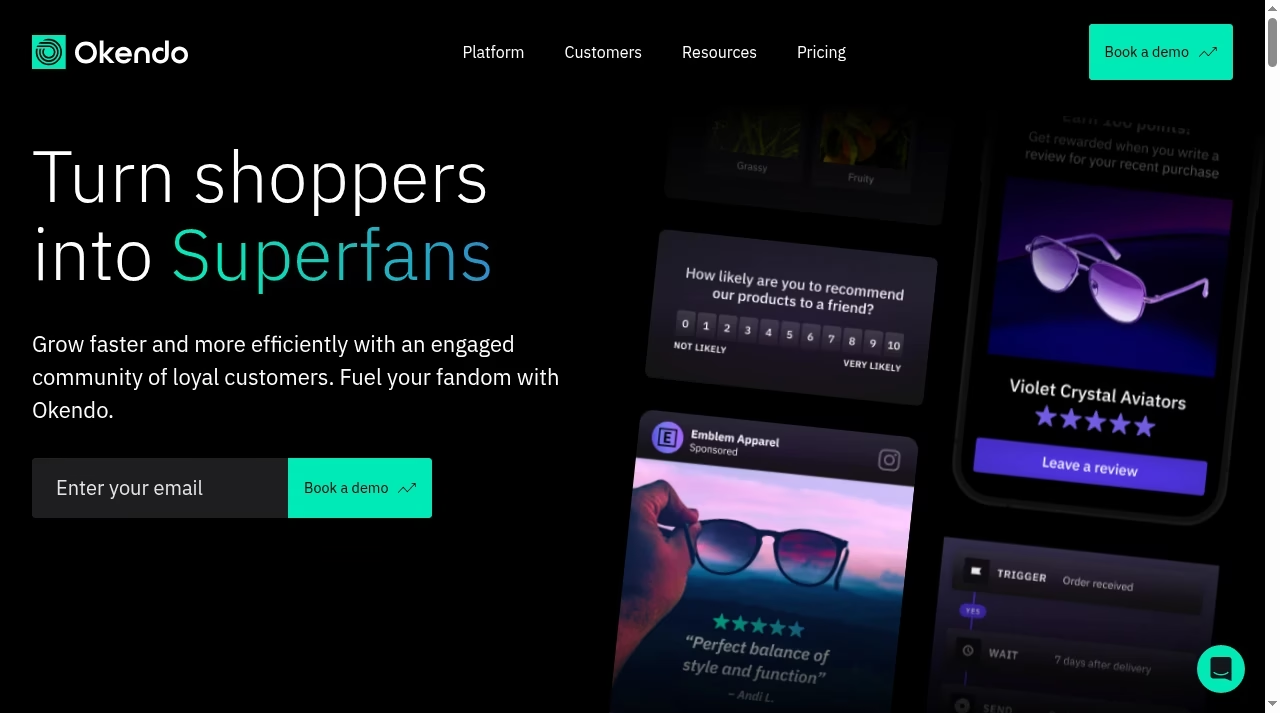
Okendo focuses on Shopify brands that want reviews, customer attributes, referrals and loyalty. The pricing page describes order-volume plans and does not show clear rates in the text we could read, so treat it as a demo-led purchase.
What to check before choosing
Ask about attribute-based questions, review syndication to Google, and how many storefront themes the widgets support. Compare this against the free or flat-priced tools before committing.
Demo task: ask them to configure your top three product pages with attribute questions, then inspect how the widget renders on mobile.
Teams that rely on agencies to install widgets can start from this list of Shopify app development companies.
6. Reputation: reputation management across many locations

Reputation targets businesses with many locations and publishes tiered pricing: Rep Core at $80 per location per month, Core plus Pulse at $115 and a higher tier at $150. It brings reviews, listings, surveys and social into one place.
What to check before choosing
Per-location pricing is easy to model for a chain and expensive for a single-store owner who only needs review requests. Check which listing, survey and social features are in each tier before you count locations.
Demo task: pick three locations, including your worst-rated one, and ask for a live view of reviews, response workflow and listing accuracy.
A multi-location owner may also want a shared inbox, which is covered in our customer messaging software guide.
7. Birdeye: local reviews, messaging and AI for storefronts
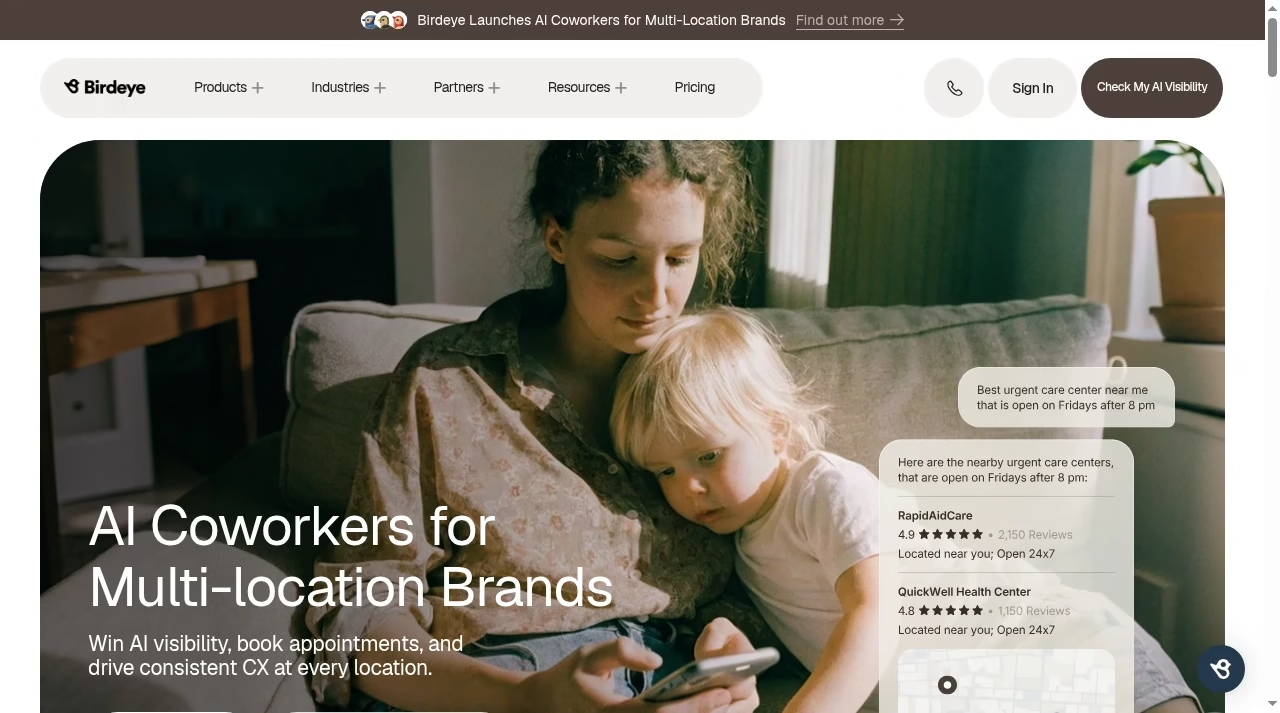
Birdeye covers review requests, listings, messaging and AI helpers for local service and retail businesses, and its public pricing is quote-based by location.
What to check before choosing
Ask for the contract length, per-location cost and what is included in the messaging side, since the overlap with a text inbox tool can mean you pay for two products that do the same thing.
Demo task: run a review request to ten recent customers, and check how fast replies reach you in the unified inbox.
For the support side of the same customers, see help desk software options.
8. Podium: texting-first customer conversations with review requests

Podium started as a messaging tool for local businesses and adds review invitations, payments and AI helpers. It is quote-based, with the pricing page pointing to a sales conversation.
What to check before choosing
Confirm the contract term, the number of seats and the cost of the review product separately from messaging. If your goal is only more reviews, a lighter tool will be cheaper.
Demo task: trigger a review request from a completed job and measure how many customers respond through a text link.
Texting-led teams should compare it against other customer messaging tools before paying for the bundle.
9. REVIEWS.io: company and product reviews with Google sharing
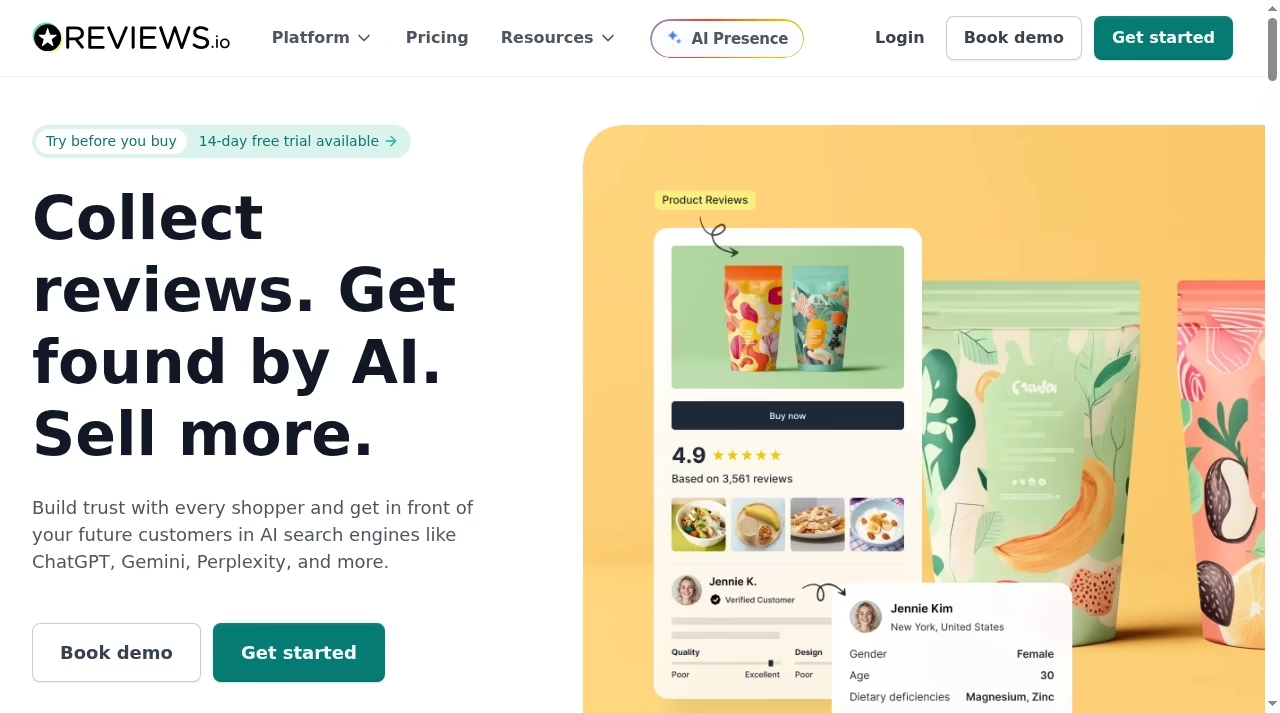
REVIEWS.io offers company reviews, product reviews, photo and video reviews and sharing to Google. It positions itself around collecting reviews and making them visible to buyers and to AI search tools.
What to check before choosing
We only read the homepage, with no price list, so ask for the plan limits and whether sharing to Google is included in the plan you need.
Demo task: set up a company-review invite and a product-review invite and compare the data collected in each.
See also marketing automation platforms if review requests should trigger from email flows.
10. Feefo: verified reviews from genuine purchases
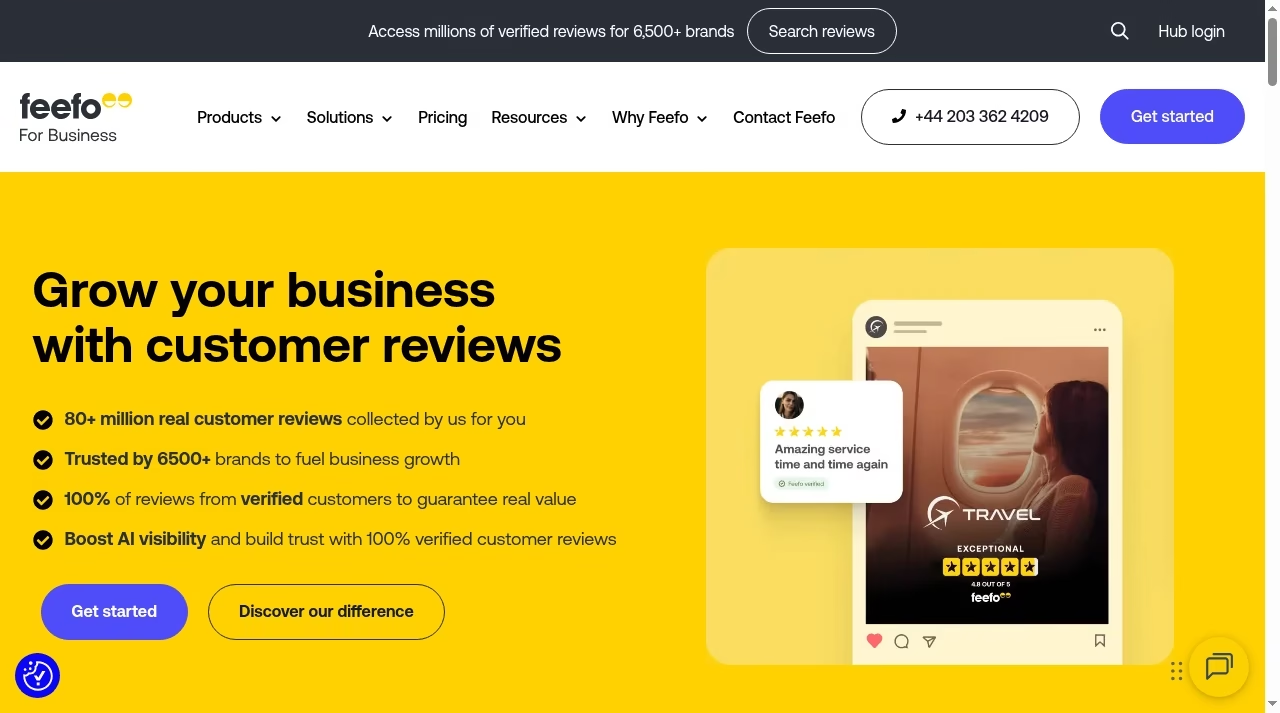
Feefo markets reviews it verifies as coming from real customers and a trust badge for stores that collect them. The pitch is closest to Trustpilot, with a transaction-based model rather than open sign-ups.
What to check before choosing
Pricing was not on the page we read, so request it and compare invitation limits with Trustpilot Starter. Check where the reviews appear in search and whether the badge is recognised by your customers.
Demo task: send invitations for a batch of verified orders and see how many are collected and published, and how long it takes.
Teams building a wider review-to-support workflow can look at what Freshdesk is for the ticketing half.
11. Grade.us: review campaigns managed for clients
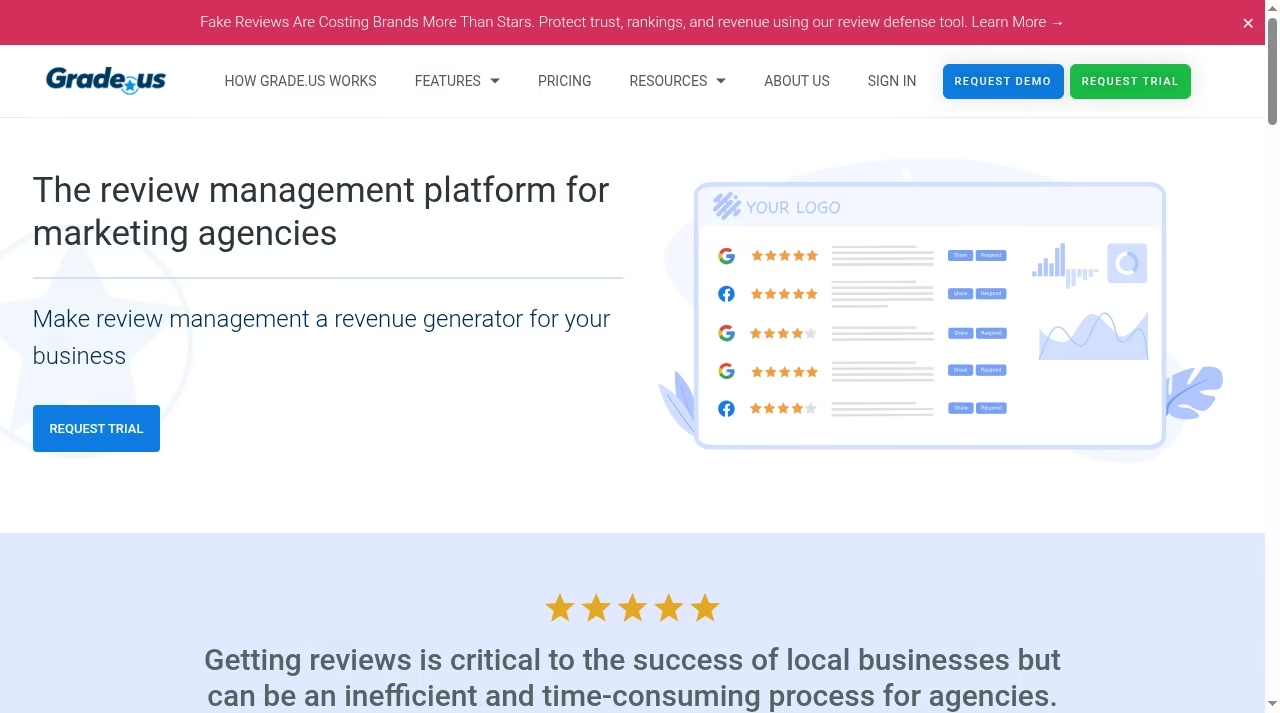
Grade.us sells review management to marketing agencies that run campaigns for many clients, with white-label reports. The page we read speaks to agencies with a request-trial flow rather than published prices.
What to check before choosing
This is more agency software than store software. Confirm the per-client pricing, white-label limits and how contacts are imported before you build a service on it.
Demo task: import contacts for two clients, run a campaign and produce the monthly report you would send them.
Agencies pairing review work with CRM data may like this CRM guide for small sales teams.
How review platforms differ: collection, display and ownership
Most comparison pages list features. The better question is who controls the review, where it appears, and what happens when you leave. Trustpilot and Feefo operate their own review destinations, so reviews live on a domain you do not control and the platform decides what is published. Judge.me, Okendo, Stamped and Yotpo store reviews in your shop and display them in widgets. Reputation, Birdeye and Podium aim at local discovery, where Google and Facebook reviews matter more than a branded profile.
Collection method matters too. Post-purchase email invitations are standard, but text links are often better for service businesses, and a QR code at the counter works for walk-in trade. Ask how each tool handles duplicate invitations, unsubscribe requests and customers who already reviewed. These details decide whether your customers feel nagged. If you already run flows in a marketing tool, see our marketing automation platform guide and our automation tools roundup for ways to trigger review requests from order or job events.
Finally, check exports and data portability. If reviews live only inside one vendor, switching later can mean starting your star rating from zero. Ask whether the plan supports a bulk export, whether you can import past reviews from a CSV, and how Google review syndication behaves when you change tools.
Cost and commitment: what the price model really means
The tools above use four price models. Flat plans, such as Judge.me, are predictable. Order-volume plans, such as Yotpo, Stamped and Okendo, grow as the store grows, so the cheap entry price is not the one you will pay at scale. Per-location plans, such as Reputation, scale with your footprint. Quote-only plans, such as Birdeye and Podium, need a sales call and often a term contract.
Trustpilot sits in a fifth category: a fixed subscription plus an invitation cap and a 12-month commitment. Add up the likely 12-month cost, not the monthly figure, and compare it with the value of a review on your product pages. Our guide to improving customer relationships and our look at AI for customer experience explain why review response time often matters as much as review volume.
How to choose in five steps
First, decide whether you need a public third-party profile or only on-site reviews. Second, count monthly orders or locations. Third, list the channels where shoppers find you, such as Google, your store or marketplaces. Fourth, ask each vendor for an export and a cancellation terms summary. Fifth, run the same demo task with two finalists. Retail teams building a larger shop can also read about retail ecommerce development companies, and support managers can pair reviews with a help desk so negative feedback becomes a ticket, not a screenshot. If feedback also feeds your CRM, easy CRM platforms for small teams and why CRM projects fail are worth a read.
Frequently asked questions
Is Trustpilot worth the price for a small business?
It can be, if buyers in your market search for your name plus “reviews” and expect to see a Trustpilot profile. The Starter plan lists $99 per month per domain on annual billing with 100 invitations a month and a 12-month commitment, so you should decide whether the public profile is worth that fixed cost.
What is the cheapest Trustpilot alternative?
Judge.me lists a Free plan at $0 and a paid plan at $15 per month, which is the lowest published price among the tools here. It is mostly for Shopify stores, so a service business may need another tool even if the price looks attractive.
Which Trustpilot alternative is best for Shopify?
Judge.me, Okendo, Stamped and Yotpo are the most common choices for Shopify stores. Judge.me is the flat low-price option, and the other three are order-volume priced and tend to bundle loyalty or referral tools.
Which alternative is best for local or multi-location businesses?
Reputation, Birdeye and Podium are built for that case. Reputation publishes per-location tiers starting at $80 per location per month, while Birdeye and Podium are quote-based, so compare the total cost with the same location count.
Can I show reviews from Trustpilot and an alternative on the same site?
Often yes, but check each vendor’s terms and watch for duplicate or conflicting ratings. Showing two different scores on one page can confuse buyers, so many stores display one source on product pages and link to the public profile elsewhere.
Will I lose my reviews if I switch tools?
It depends. Reviews on a third-party site such as Trustpilot stay there and are not automatically moved. For tools that store reviews in your shop, ask about CSV export and import before signing, and keep a backup before you cancel.
How many reviews should I ask for each month?
Ask every eligible customer, then measure the response rate. Rather than chasing a fixed number, compare invitations sent, reviews received and the share that are verified purchases, then adjust timing of the request.





Leave a Reply