
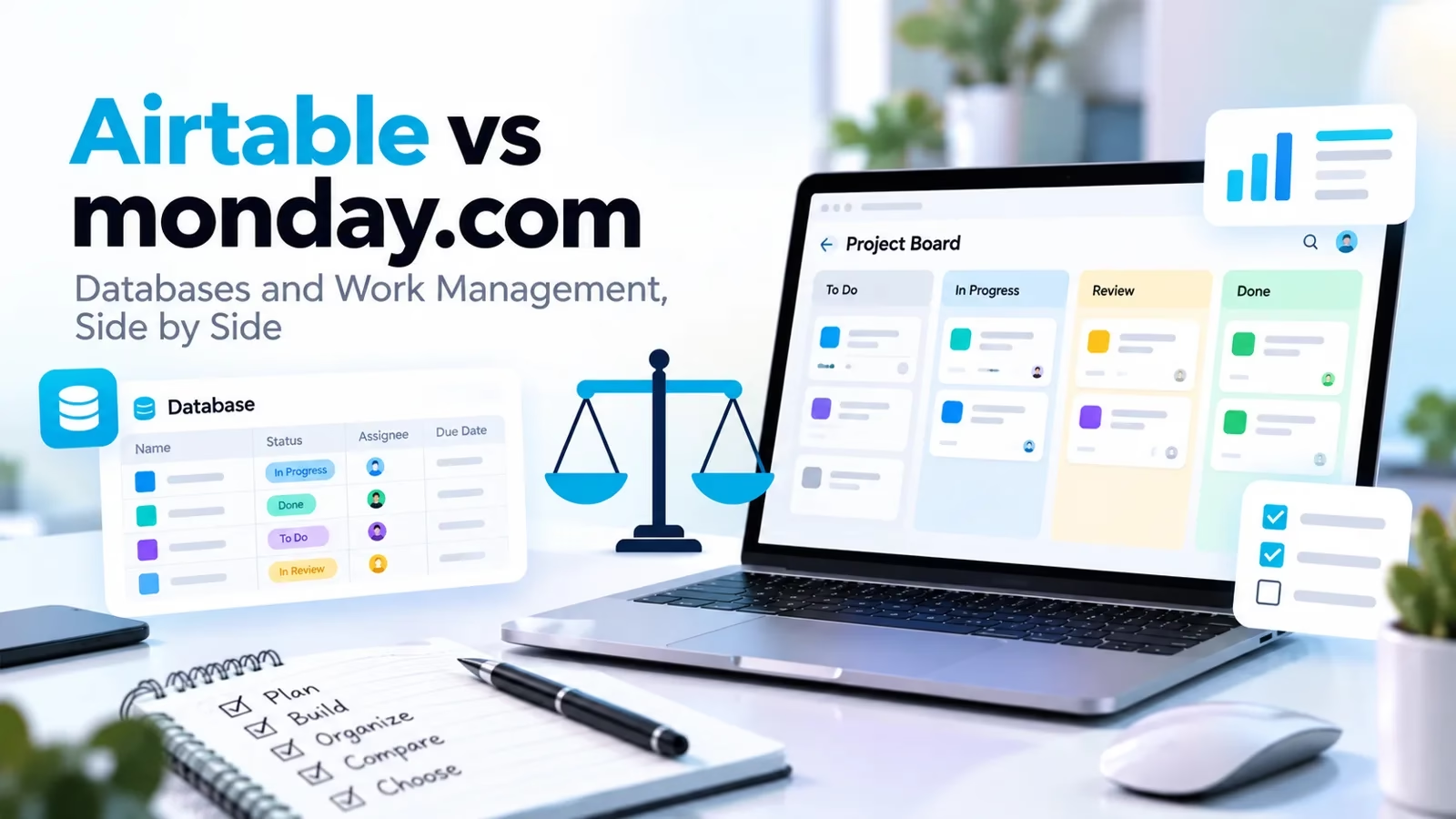

Airtable and monday.com are often shortlisted together because both are no-code, colourful and collaborative. They start from different ideas. Airtable starts with data and lets you build views. monday.com starts with work and lets you attach data. This guide compares them on facts from their own pages.
Short version: pick Airtable if the structure of your data matters most. Pick monday.com if you mainly need a work board with owners, status and timelines. Prices were checked on Oct 15, 2026.
At a glance: Airtable vs monday.com
| Area | Airtable | monday.com |
|---|---|---|
| Starts from | Data model | Work board |
| Free plan | Yes | Yes, up to 2 seats |
| Entry paid price | $20 per user per month annually | $9 per seat per month |
| Who is charged | Editors | Seats |
| Typical team | Ops, content and product data | Project and cross-team work |
What each tool is built for
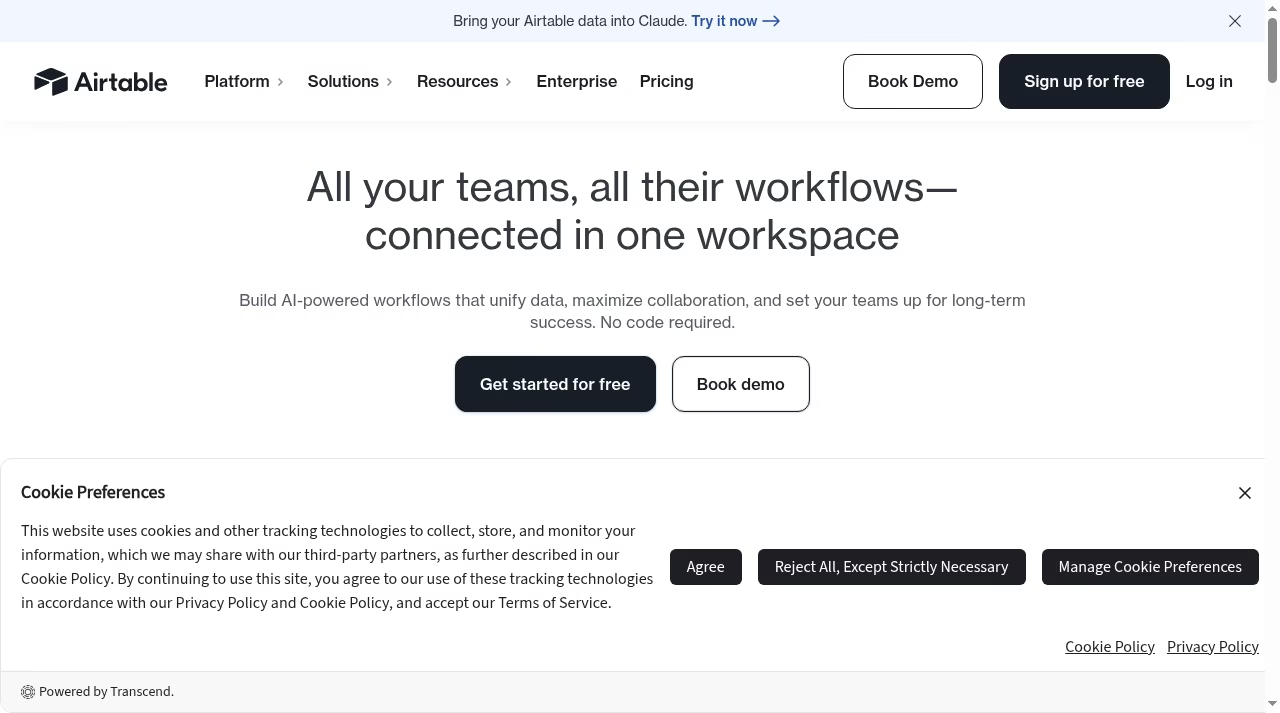
Airtable is a no-code platform that connects data and workflows. It offers tables, views and automations and has plans from Free to Enterprise Scale.
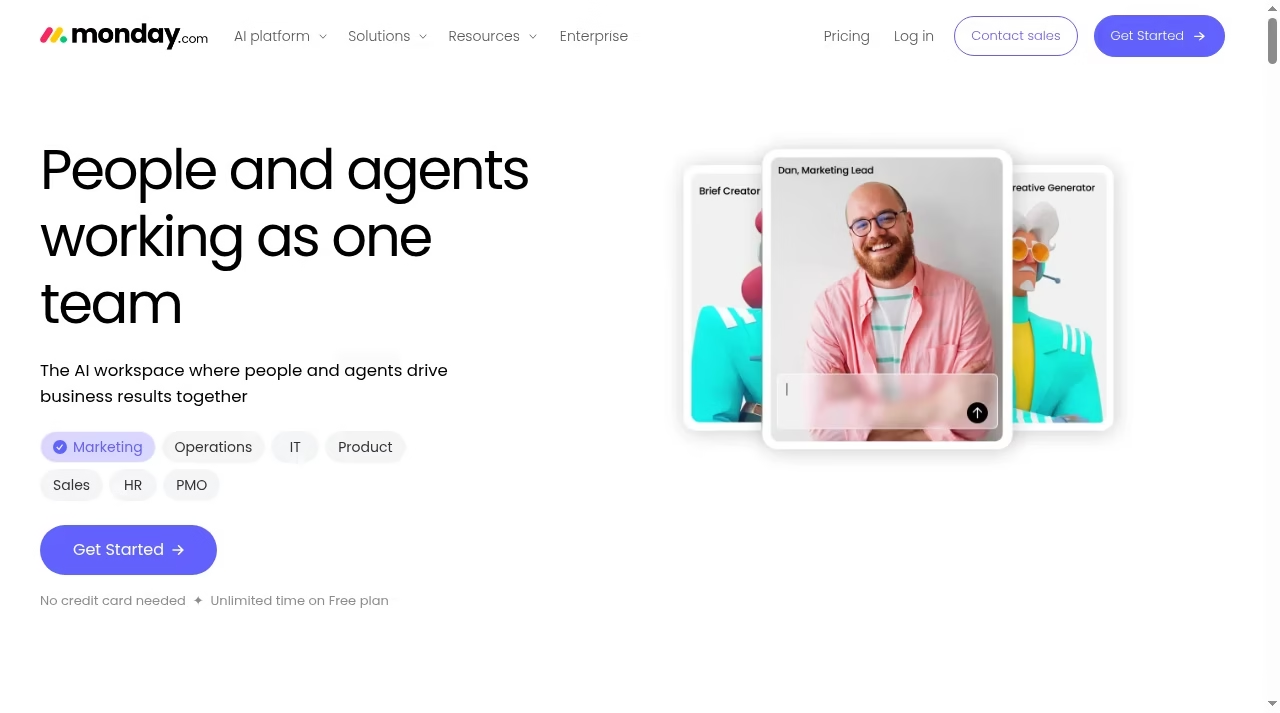
monday.com is a work platform with boards and items. Its site now leads with AI agents and people working together, and says the Free plan has no time limit.
The risk with either tool is sprawl. Boards and bases multiply, and nobody knows which is current. Agree on naming, owners and an archive rule on day one. Improving customer relationships shows how clean records help the people at the other end.
Pricing and plan limits as listed on Oct 14, 2026
Airtable lists a Free plan, Team at $20 per user per month billed annually and Business at $45 per user per month billed annually, with custom Enterprise Scale pricing. Only users with edit permission are charged.
monday.com lists a Free plan at $0 for up to 2 seats, then Basic at $9 per seat per month, Standard at $12 and Pro at $19 on the pricing page we read, with Enterprise on request. It states unlimited free viewers and unlimited items. Its examples show totals for 10 seats, so check the monday.com pricing page for the plan size you would actually buy.
Both charge per person, so count editors, not everyone who reads. Seat minimums and annual billing change the real price.
A same-task test you can run in one afternoon
Choose a job that straddles data and work, such as a content pipeline with ideas, drafts, owners and publish dates. This is a suggested test, not something we measured.
Step 1. In Airtable, build one table of pieces, one of authors, and link them. Step 2. In monday.com, build a board with a status column, an owner and a timeline. Step 3. Add a rule such as “when status changes to Ready, notify the editor” in each tool. Step 4. Build a view for the weekly meeting and time how long it takes. Step 5. Invite a read-only colleague and a free viewer and see what each plan lets them do.
If the pipeline ends in publishing or email, see best automation tools and top social media automation tools.
Limits matrix: what to confirm before you commit
| Question | Airtable | monday.com |
|---|---|---|
| Core idea | Database of linked records with views | Boards and items built for work tracking |
| Free option | Free plan | Free plan, up to 2 seats |
| Paid entry | Team $20 per user per month, annual | Basic $9 per seat per month |
| Higher tiers | Business $45, Enterprise Scale custom | Standard $12, Pro $19, Enterprise |
| Viewers | Read-only collaborators not charged | Unlimited free viewers |
| Best at | Structured data and custom apps | Task and project flow across teams |
Look at automation limits and integrations before you commit, because that is where most extra cost appears. Marketing automation platforms and customer messaging software cover the neighbours.
Who should choose which
Choose Airtable if you need linked records, custom views and a base that other tools can read. Choose monday.com if your team lives on tasks and timelines and wants boards that managers understand at a glance.
If your work is mostly customer deals, read Pipedrive alternatives and easy CRM platforms for small sales teams before you bend either tool into a CRM.
Run the test above with your own data and two real users. A week of real use tells you more than any feature table, and help desk software is a useful comparison if requests are your main work.
Frequently asked questions
Is Airtable cheaper than monday.com?
On the pages we read, monday.com lists a lower entry paid price at $9 per seat per month, while Airtable lists $20 per user per month on Team. Features, seat rules and plan limits differ, so compare the plan you need.
Does monday.com have a free plan?
Yes. It lists a Free plan at $0 for up to 2 seats, checked Oct 15, 2026.
Which is better for project management?
monday.com is built around boards, owners and timelines. Airtable can do projects, but it is stronger when your data has structure.
Which is better for databases?
Airtable. Linked records, typed fields and multiple views are its core. monday.com handles items and boards but is less about relational data.
Can I use both?
Yes. Some teams keep records in Airtable and run work in monday.com. Count the combined seats first, and see automation tools for linking them.
How do viewers work?
Airtable does not charge for read-only collaborators, and monday.com lists unlimited free viewers with read-only access.
What should I read next?
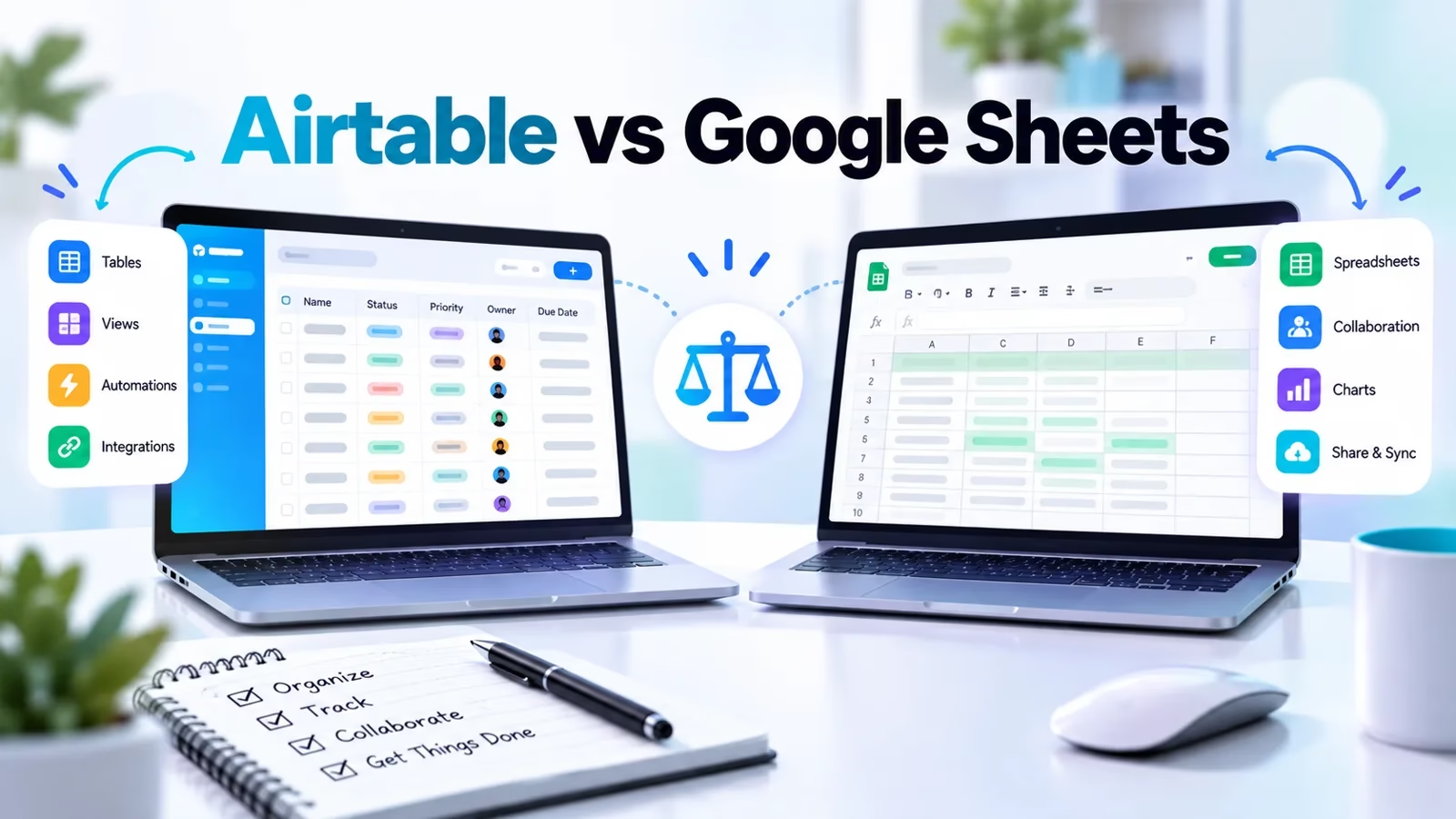
Compare Airtable vs Google Sheets and Airtable vs Excel, or browse the JustCreateApp directory.





Leave a Reply